
The Ultimate Guide to Choosing the Right Foundation
A working foundation guide 鈥?how to match shade and undertone correctly (daylight, jawline test), pick the right format for your skin, and apply for real-world wear.

27 min read
Getting Started
Most “wrong foundation” problems are shade and undertone problems, not brand problems. A foundation that is even one shade off on the wrist will oxidize into a mask on the face by midday. One that is the wrong undertone 鈥?warm on cool skin, or vice versa 鈥?will look ashy or orange regardless of how expensive it is. Get those two right and the rest is easy.
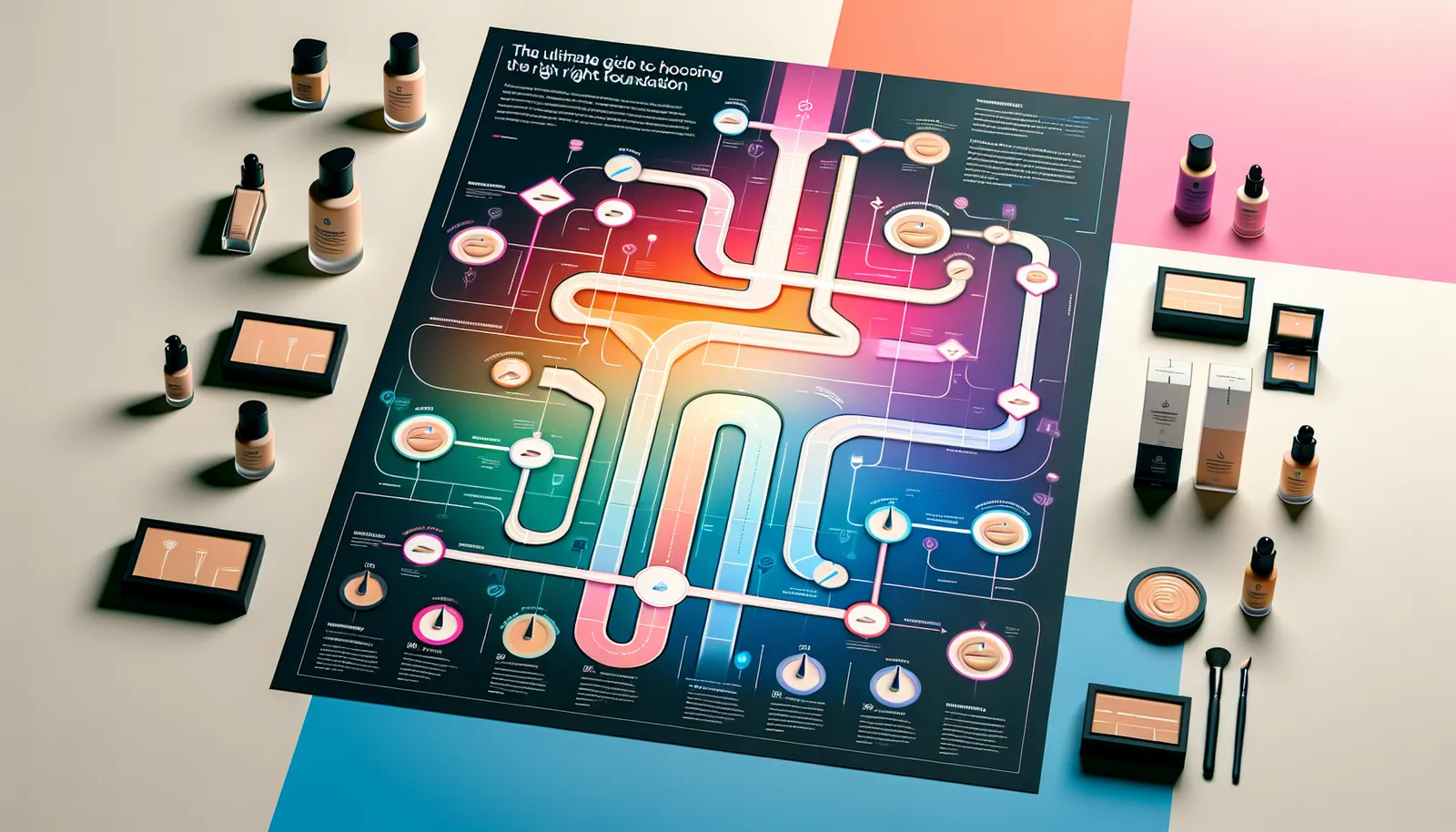
This guide walks through the honest process: testing shades on the jawline in daylight (never the wrist, never store lighting), diagnosing your undertone using jewelry preference and vein color, and then choosing the right format for your skin type (liquid for most, powder for oily, tinted moisturizer for dry, stick for touch-ups). We cover coverage levels, finish (matte, satin, dewy), setting, and the application tools that consistently outperform the alternatives.
Foundation Types and Formulations
Choosing the right foundation can make or break your makeup experience. With various types and formulations available, understanding these options is essential for achieving a flawless look. Below, we will explore the three main foundation types鈥攍iquid, powder, and cream鈥攅ach offering unique benefits suited to different skin types. Additionally, we will touch on emerging trends in foundation formulation, including clean beauty and skincare-infused products.
Liquid Foundations
Liquid foundations are often the most versatile option, suitable for a wide range of skin types. They typically come in two formulations: water-based and oil-based, allowing users to select a product that best meets their skin’s needs.
Benefits:
Provides a natural finish, ranging from sheer to full coverage.
Easily blendable and buildable, making it ideal for layering.
Often includes skin-benefiting ingredients, such as hyaluronic acid and vitamins.
Current Trends:
Clean beauty brands are gaining popularity, with consumers increasingly seeking products free from harmful chemicals. Brands like ILIA Beauty and RMS Beauty are leading the charge with their clean liquid foundations.
Skincare-infused foundations, such as the Fenty Beauty Eaze Drop Blurring Skin Tint, combine the benefits of makeup and skincare.
Powder Foundations
Powder foundations are typically favored for their lightweight feel and matte finish, making them an excellent choice for oily or combination skin types.
Benefits:
Provides a longer-lasting, oil-absorbing effect, making it ideal for hot and humid weather.
Easy to apply and can be used for touch-ups throughout the day.
Suitable for quick application; often comes in pressed or loose forms.
Current Trends:
The rise of mineral makeup has led to the popularity of brands like bareMinerals, which focus on using natural ingredients in their powder foundations.
Eco-conscious consumers are leaning towards refillable options, reducing waste and environmental impact.
Cream Foundations
Cream foundations offer a rich, hydrating formula that is perfect for those with dry or mature skin. They often provide fuller coverage, making them excellent for special occasions.
Benefits:
Creamy texture allows for easy blending and a dewy finish.
Offers high coverage, making it suitable for covering imperfections or discoloration.
Often enriched with moisturizing agents, providing additional hydration.
Current Trends:
The demand for hybrid products that combine makeup with skincare properties has led brands like NARS and Tarte to create cream foundations with added benefits, such as anti-aging properties.
The “clean beauty” movement has also influenced the formulation of cream foundations, with brands like Tower 28 focusing on allergen-free ingredients.
Foundation Matching Guide
Selecting the right foundation shade can be daunting. Here are some best foundation tips to ensure you find your perfect match:
- Determine Your Undertone:
- Cool: Pink or blue undertones (look for shades labeled “cool” or “rosy”).
- Warm: Yellow or golden undertones (look for shades labeled “warm” or “golden”).
- Neutral: A mix of both (choose shades labeled “neutral”).
- Test in Natural Light:
- Always test foundations on your jawline in natural light to see how it blends with your skin tone.
- Consider Your Skin Type:
- Oily skin may benefit from matte or powder foundations, while dry skin may prefer liquid or cream formulations.
- Sample Before Purchase:
- Many brands offer sample sizes or testers. Use these to see how the foundation wears throughout the day.
Conclusion
Understanding the various types of foundations and their unique benefits is crucial in finding the right product for your skin type and preferences. With trends shifting towards clean beauty and skincare-infused formulations, there are now more options than ever to achieve a flawless look. The right foundation can enhance your natural beauty while promoting skin health.
For further insights into current beauty trends, consider exploring resources from Vogue, which frequently discusses innovations in makeup and skincare, or The Guardian, which covers broader lifestyle changes influencing beauty products. Additionally, Bloomberg offers deep dives into market trends that can inform your purchasing decisions.
Understanding Your Skin Type
Choosing the right foundation begins with understanding your skin type, as it greatly influences how makeup looks and lasts throughout the day. The three primary skin types are oily, dry, and combination skin. Each has distinct characteristics and requires specific foundation strategies for optimal results.
Oily Skin
Oily skin is characterized by excess sebum production, leading to a shiny appearance and enlarged pores. According to a recent survey by the American Academy of Dermatology, approximately 40% of adults report having oily skin. This skin type necessitates specific foundation choices and application techniques to ensure longevity and a flawless finish.
Best Practices for Foundation Application:
- Choose the Right Formula: Opt for oil-free, matte foundations or powder foundations that absorb excess oil. Brands like Fenty Beauty Pro Filt’r Soft Matte Longwear Foundation and Est茅e Lauder Double Wear Stay-in-Place Makeup are excellent choices.
- Prep with Primer: Use a mattifying primer to create a smooth base and control shine. Look for primers that contain silica or clay, which help absorb oil.
- Set with Powder: After applying foundation, set it with a translucent setting powder to enhance wear time and reduce shine.
Foundation Longevity Tips:
- Blot throughout the day with oil-absorbing sheets to maintain a fresh look.
- Consider using a setting spray designed for oily skin to lock in your makeup.
Dry Skin
Dry skin typically feels tight, rough, or flaky and may show signs of irritation. The National Institutes of Health report that about 30% of adults experience dry skin at some point. For those with this skin type, the right foundation can hydrate and create a luminous finish.
Best Practices for Foundation Application:
- Opt for Hydrating Formulas: Look for foundations with moisturizing properties, such as liquid or cream foundations that contain hyaluronic acid or glycerin. The NARS Radiant Longwear Foundation and Too Faced Born This Way Foundation are popular options.
- Exfoliate Regularly: With dry skin, regular exfoliation is crucial to remove dead skin cells and promote a smooth application.
- Use a Primer: A hydrating primer can create a barrier and enhance the foundation’s adherence to the skin.
Foundation Longevity Tips:
- Avoid using powder foundations, as they can exacerbate dryness.
- Consider using a dewy setting spray to enhance hydration and maintain a fresh look.
Combination Skin
Combination skin features a mix of oily and dry areas, typically with an oily T-zone and dry cheeks. According to skincare studies, approximately 60% of individuals fall into this category. This skin type requires a balanced approach when selecting and applying foundation.
Best Practices for Foundation Application:
- Select a Versatile Formula: A lightweight liquid foundation that provides balanced coverage is ideal. Products like MAC Studio Face and Body Foundation or Lanc么me Teint Idole Ultra Wear Foundation cater well to combination skin.
- Targeted Priming: Use a mattifying primer on the T-zone and a hydrating primer on the dry areas to address both concerns.
- Layering Technique: Apply foundation in layers to achieve the desired coverage without overwhelming the skin.
Foundation Longevity Tips:
- Use setting powder only in the T-zone to prevent excessive shine while leaving the cheeks dewy.
- A setting spray can help unify the finish of your makeup across different areas of your face.
Conclusion
Understanding your skin type is critical for achieving the best foundation results. By selecting the right products and techniques tailored to your skin’s needs, you can enhance the longevity and appearance of your foundation. According to a recent report by Vogue, consumers are increasingly prioritizing skin health and choosing foundations that offer skincare benefits, reflecting a growing trend towards hybrid products.
Whether you have oily, dry, or combination skin, following these best foundation tips will help you navigate the often overwhelming world of makeup foundations. For a comprehensive guide on foundation matching, be sure to check out a detailed foundation matching guide to find the perfect shade for your skin.
Remember, the right foundation is not just about color鈥攊t’s about enhancing your natural beauty while catering to the unique characteristics of your skin type.
Foundation Matching Guide
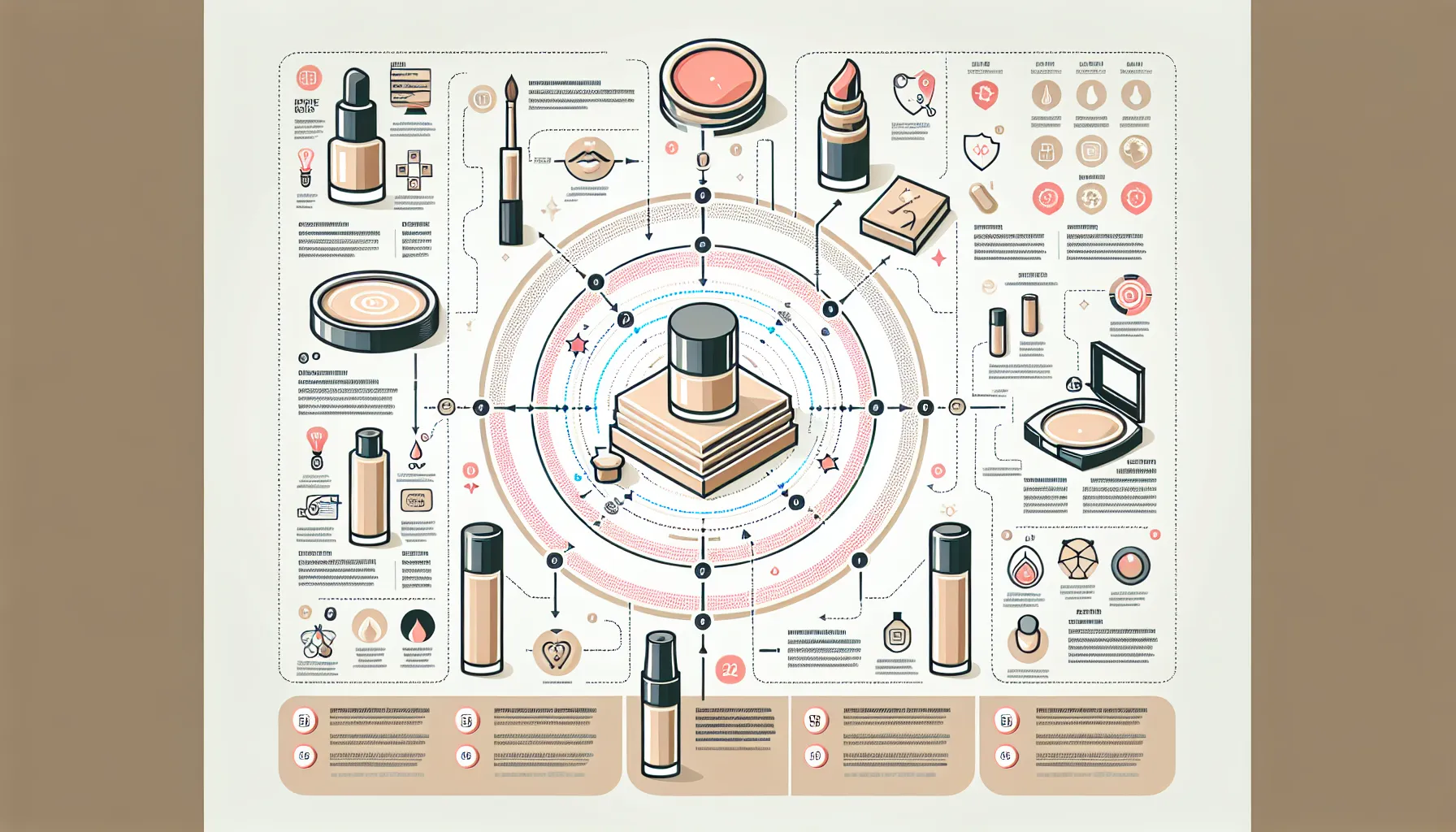
Choosing the right foundation can often feel like a daunting task, especially when it comes to finding the perfect shade that complements your skin tone and undertones. This section will provide you with a comprehensive foundation matching guide, focusing on understanding undertones and utilizing modern tools and technology for accurate shade selection.
Undertones Explained
Understanding undertones is crucial in determining the right foundation shade. Undertones refer to the subtle hue beneath the surface of your skin that affects how colors appear on you. Generally, undertones fall into three categories:
- Cool Undertones: These have a pink, red, or blue hue. Individuals with cool undertones often look best in foundations with a similar cool tone.
- Warm Undertones: These exhibit a golden, peachy, or yellow hue. Warm undertones typically suit foundations that have a warm base.
- Neutral Undertones: This category includes a mix of both cool and warm undertones, making it easier for individuals to wear a wider range of foundation shades.
To determine your undertone, consider the following methods:
Vein Test: Check the color of the veins on your wrist. If they appear blue, you likely have cool undertones. If they look greenish, you are likely warm. A mix of both suggests neutral undertones.
Jewelry Test: Silver jewelry tends to complement cool undertones, while gold jewelry is more flattering on warm undertones.
White Sheet Test: Hold a pure white sheet against your face. If your skin appears more yellow, you likely have warm undertones. If it looks pink or rosy, you may have cool undertones.
The importance of finding the right undertone cannot be overstated. Recent data indicates that nearly 70% of women struggle with foundation matching due to improper undertone identification, leading to mismatched shades and dissatisfaction with makeup results. By focusing on undertones, you can ensure a more seamless blend that enhances your natural beauty.
Shade Selection Techniques
Once you have established your undertone, the next step is selecting the right foundation shade. Here are some effective techniques:
Test in Natural Light: Always test foundation shades in natural daylight. Indoor lighting can distort colors, leading to mismatched selections.
Swatch Multiple Shades: Apply a few shades of foundation along your jawline. The right shade should disappear into your skin without creating a stark contrast.
Consider Seasonal Changes: Skin tone can change with the seasons (e.g., darker in summer, lighter in winter). Be mindful of these changes when selecting foundation throughout the year.
Seek Professional Help: Many beauty stores offer consultations with makeup artists who can assist in finding the perfect shade. Brands like Sephora and Ulta frequently provide these services.
Utilize Technology: Innovative apps and devices have emerged to facilitate virtual shade matching. Notable examples include:
Sephora’s Virtual Artist: This app allows users to try on different shades virtually using augmented reality. According to Sephora, 80% of users report higher satisfaction with their foundation choices after using the app.
L’Or茅al’s Shade Finder: This tool analyzes your skin tone and recommends foundation shades based on your undertones and preferences.
MatchCo: This app creates a custom foundation shade based on a photo of your skin. Users have reported high accuracy levels, creating a personalized experience.
These technological advancements not only enhance the shopping experience but also significantly reduce the likelihood of selecting the wrong foundation shade.
Conclusion
Finding the right foundation is essential for achieving a flawless makeup look. Understanding your undertones and utilizing effective shade selection techniques can transform the way you choose and apply foundation. As the beauty industry continues to innovate, tools like virtual shade matching apps are making it easier than ever to find the perfect match.
For more information on foundation matching and the latest trends, check out resources from Vogue on beauty trends and TechCrunch’s insights on beauty tech. Keeping informed on these developments can further enhance your makeup skills and product choices.
By following the tips outlined in this foundation matching guide, you can confidently navigate the world of makeup foundations and find the perfect shade that enhances your natural beauty.
Best Foundation Tips
When it comes to achieving a flawless makeup look, the right foundation application techniques and setting products can make all the difference. Understanding how to choose foundation and applying it effectively is essential for enhancing its wear time and overall appearance. Here, we explore effective application techniques, current trends, and the importance of setting products.
Application Techniques
The method you choose for applying foundation can significantly affect the final result. Recent trends reveal a shift in preference towards modern application tools, particularly the debate between brushes and sponges.
Brushes:
Brushes are ideal for a more controlled application and can provide a polished finish. Kabuki brushes and flat foundation brushes are popular choices for achieving a smooth, even coverage.
A recent survey conducted by Allure found that 65% of makeup artists prefer applying foundation with brushes for their ability to build coverage and blend seamlessly.
Sponges:
Beauty sponges, like the Beautyblender, have gained immense popularity for their ability to create a natural, airbrushed look. Using a damp sponge can help in blending foundation without soaking up too much product.
According to a report by Vogue, beauty sponges have become a staple in 72% of makeup kits, as they allow for a lightweight application that mimics the skin’s natural texture.
Current Trends in Application Methods
The trend towards skin-like finishes has led to innovative application techniques:
- The “Damp Sponge Method”:
- This technique involves wetting the sponge before applying foundation. The moisture helps in achieving a dewy look while ensuring even distribution.
- Many tutorials on platforms like YouTube showcase this technique, emphasizing the importance of using a damp sponge for a natural finish.
- Stippling Technique:
- This involves using a stippling brush to apply foundation in a tapping motion. This technique helps in layering the product while avoiding the cakey appearance.
- A recent tutorial by renowned makeup artist Patrick Ta demonstrates this technique effectively, allowing for a buildable coverage that looks fresh and light.
- Mixing with Skincare:
- There鈥檚 a growing trend of mixing foundation with skincare products like moisturizers or facial oils to create a tinted moisturizer effect. This approach is especially favored for a more natural look.
- The popularity of this method has been noted in recent articles from Elle, highlighting its appeal among younger audiences seeking lightweight coverage.
Setting and Finishing
Once you鈥檝e applied your foundation, the next critical step is setting it to enhance wear time and prevent it from settling into fine lines or creases.
Setting Powders:
Translucent setting powders can help to lock in foundation and control shine. They are particularly beneficial for oily skin types.
According to a study by the Journal of Cosmetic Dermatology, using a setting powder can increase the longevity of foundation wear by up to 30%.
Setting Sprays:
These sprays provide a finishing touch and can help to meld layers of makeup together. They also offer hydration and a more luminous finish.
A recent survey indicated that 80% of makeup users find that setting sprays make a noticeable difference in the longevity of their makeup.
Popular Tutorials
For those looking to master foundation application, several makeup tutorials demonstrate these techniques effectively:
- Makeup by Mario鈥檚 Foundation Routine: This tutorial focuses on using both brushes and sponges for different foundation types, catering to various skin types and preferences.
- Tati Westbrook’s Full Coverage Foundation Tutorial: Tati showcases the damp sponge technique and explains the importance of layering products for a seamless finish.
To conclude, mastering foundation application and setting techniques can significantly enhance your makeup routine. By incorporating modern tools and methods, you can achieve a flawless look that lasts throughout the day. For further insights on makeup trends, consider exploring articles from Vogue, Elle, and Allure that delve deeper into contemporary beauty practices.

Makeup Foundation Tutorial
When it comes to achieving a flawless finish with makeup, mastering the application of foundation is crucial. This comprehensive makeup foundation tutorial will guide you through the step-by-step application process, highlight common mistakes to avoid, and provide tips to enhance your foundation game.
Step-by-Step Application
Preparation: Start with clean, moisturized skin. Use a primer to create a smooth base, which helps the foundation adhere better and prolong its wear. For example, the Smashbox Photo Finish Foundation Primer is a popular choice among beauty enthusiasts for its ability to minimize pores and create a velvety texture.
Choosing the Right Tool: Depending on the finish you desire, select an appropriate application tool. Here are some options:
- Foundation Brush: Offers a professional finish and is great for liquid foundations.
- Makeup Sponge: Ideal for a more natural, airbrushed look. The Beautyblender is a widely recommended tool for seamless blending.
- Fingers: Can be used for quick application, especially with cream formulas. The warmth of your fingers helps in blending the product into the skin.
- Foundation Application:
- Dot foundation on the forehead, cheeks, nose, and chin.
- Using your chosen tool, start blending from the center of your face outwards for a natural look.
- For areas that need more coverage, such as blemishes or redness, layer on additional product.
Set the Foundation: To lock in your foundation and prevent it from moving, dust a light layer of translucent setting powder. The Laura Mercier Translucent Loose Setting Powder is a favorite for its lightweight feel and oil-absorbing properties.
Finishing Touches: Add blush, bronzer, and highlighter to complete your look. Remember to blend these products well into your foundation for a cohesive appearance.
Common Mistakes to Avoid
Achieving a flawless foundation look requires avoiding common pitfalls that can ruin your makeup application. Here are some mistakes to watch out for:
Using the Wrong Shade: According to a recent survey by Vogue, nearly 30% of individuals wear a foundation shade that is not a match for their skin tone. Always test shades in natural light and consider seasonal changes in your skin tone.
Skipping Skincare: Neglecting skincare can lead to patchy foundation application. Always prep your skin with moisturizer and primer, which can significantly affect how foundation looks and wears throughout the day.
Applying Too Much Product: Overloading your brush or sponge can result in a cakey appearance. Start with a small amount of product and build up coverage as necessary.
Ignoring the Neck: Failing to blend foundation down your neck can result in an obvious line, highlighting the difference between your face and neck. Make sure to blend seamlessly for a more natural look.
Not Using Setting Products: If you have oily skin or live in a humid environment, skipping setting products can cause foundation to slide off. Use a setting spray or powder to keep everything in place.
Video Tutorials and Influencer Recommendations
To enhance your understanding and skills in foundation application, consider watching tutorial videos from renowned beauty influencers. For example, makeup artist NikkieTutorials provides insightful tutorials that focus on foundation techniques, including her popular 鈥淔ull Face Using One Brand鈥?series, which demonstrates how to achieve a flawless base with various product lines.
Additionally, platforms like YouTube and Instagram are filled with makeup tutorials that can serve as visual guides. Influencers often share their best foundation tips and tricks, helping you navigate the nuances of application that can make a significant difference in your makeup routine.
Conclusion
By following this makeup foundation tutorial and avoiding common mistakes, you can achieve a flawless finish that enhances your natural beauty. Remember, practice makes perfect, so don鈥檛 be afraid to experiment with different techniques and products. Whether you prefer a full-coverage matte look or a light, dewy finish, mastering the art of foundation application will elevate your overall makeup game.
For more comprehensive beauty tips, check out resources like Cosmopolitan and Elle for the latest trends and expert advice on makeup techniques.
Future Trends in Foundation
The beauty industry is constantly evolving, and the future of makeup foundation is no exception. As consumers become more discerning and demand personalized options, the trends in foundation are shifting toward customization and sustainability. This section explores two significant emerging trends: personalization in foundation and the growing emphasis on sustainability in formulations.
Personalization in Foundation
The trend of personalized beauty products has gained substantial traction in recent years. Consumers are seeking makeup solutions that cater to their unique skin tones, types, and preferences. A recent market report from WGSN highlights that the personalized beauty sector is projected to grow to $8 billion by 2025, reflecting a growing consumer preference for individualized products.
Some key aspects of this trend include:
Customizable Formulas: Brands are beginning to offer customizable foundation products that allow consumers to mix and match shades and finishes. For example, companies like Il Makiage offer online quizzes to help consumers determine their perfect shade, while brands like Fenty Beauty provide a wide spectrum of shades to cater to diverse skin tones.
On-Demand Production: Advances in technology are enabling brands to create on-demand foundation products. This means consumers can order a foundation that is tailored specifically to their needs, reducing waste and increasing satisfaction. Companies like Function of Beauty have successfully implemented this model in haircare and are exploring similar avenues in makeup.
Data-Driven Insights: Many brands are utilizing AI technology to analyze customer data and provide tailored recommendations. For instance, companies like Sephora use augmented reality (AR) and AI to help customers virtually try on different shades, enhancing the shopping experience and improving foundation matching accuracy.
Recent data shows that over 50% of consumers are willing to pay more for customized beauty products, emphasizing the importance of personalization in today’s market. The rise of personalized beauty is not just a trend but a fundamental shift in how consumers approach makeup, leading to a more engaged and loyal customer base.
Sustainability in Formulations
In addition to personalization, sustainability is becoming a pivotal factor in consumers’ purchasing decisions. As awareness of environmental issues grows, more consumers are seeking eco-friendly and sustainable beauty options. According to a report by McKinsey & Company, the sustainable beauty market is expected to grow by 20% annually, indicating a significant shift in consumer behavior.
Key trends in sustainable foundation formulations include:
Eco-Friendly Ingredients: Many brands are reformulating their products to include natural and organic ingredients. For example, RMS Beauty focuses on using raw, food-grade ingredients in their foundations to create products that are both effective and environmentally friendly.
Recyclable Packaging: Companies are rethinking their packaging strategies to reduce waste. Brands like Kjaer Weis offer refillable foundation compacts, allowing consumers to reuse their containers and minimize their environmental impact.
Transparency in Sourcing: Consumers are increasingly interested in knowing where their products come from. Brands are responding by providing detailed information about ingredient sourcing and ethical practices. For instance, brands like Tarte Cosmetics are committed to using sustainably sourced ingredients and have transparent policies regarding their supply chain.
Vegan and Cruelty-Free Options: The demand for vegan and cruelty-free products is on the rise, with many consumers prioritizing brands that align with their ethical values. This trend is evident in the growing number of brands that are certified cruelty-free, such as Urban Decay and Too Faced.
The push for sustainability in the beauty industry is not just a trend but a necessary response to consumer demand for responsible and ethical products. Brands that prioritize sustainability are likely to gain a competitive edge in this increasingly eco-conscious market.
Conclusion
The future of foundation lies in personalization and sustainability. As consumers continue to seek products that cater to their individual needs and align with their values, brands must adapt to these trends to remain relevant. By embracing custom formulations and eco-friendly practices, companies can not only enhance their product offerings but also build stronger relationships with their customers.
The advancements in technology and growing awareness of environmental issues suggest that the beauty industry is on the cusp of significant change. Embracing these trends will not only meet consumer demands but also pave the way for a more sustainable and personalized future in makeup.
For further insights into the latest trends in beauty, you can explore the comprehensive reports from Bloomberg and The Guardian that discuss the evolving landscape of the beauty industry.
Key Takeaways
In conclusion, selecting the right foundation is a nuanced process that goes beyond mere aesthetics. At present, understanding your skin type and undertone is crucial for achieving a flawless complexion. Whether you have oily, dry, or combination skin, the foundation that works for one person may not suit another. Therefore, taking the time to assess your skin’s characteristics can lead to a more satisfying choice. Additionally, being informed about your undertones鈥攚hether warm, cool, or neutral鈥攃an dramatically enhance your overall look. For more information on how to determine your skin type, visit Healthline’s guide on skin types.
Moreover, utilizing current technologies and trends can significantly improve both the matching and application process of foundation products. Nowadays, many brands are leveraging advanced algorithms and artificial intelligence to help users select their perfect shade. Virtual try-on tools and shade-matching apps are making it easier than ever to find a foundation that complements your skin tone. Embracing these innovations can save time and reduce the frustration often associated with trying to match your ideal shade.
Looking ahead, the future of foundation products is likely to be shaped by growing demands for personalization and sustainability. As consumers become more conscious of their choices, brands are responding by offering customizable options that cater to individual preferences and skin needs. This shift not only enhances user experience but also aligns with the increasing awareness of environmental impact, prompting brands to explore sustainable sourcing and packaging solutions. To stay updated on sustainability trends in the beauty industry, check out WWD’s insights on beauty sustainability trends.
As you navigate the many of options available in the beauty market today, remember that knowledge is power. Assess your skin type and undertone, embrace innovative technologies for better matching, and remain vigilant about the future of foundation products focusing on personalization and sustainability. By doing so, you can make informed choices that not only enhance your beauty routine but also contribute to a more sustainable future.
Take action now鈥攅xperiment with different shades, try out virtual matching technologies, and stay informed about emerging trends. Your perfect foundation awaits!
Frequently Asked Questions
How do I know my skin type for choosing foundation?
To determine your skin type, start by cleansing your face and waiting for an hour. Observe how your skin feels: if it鈥檚 oily or shiny, you likely have oily skin; if it feels tight and dry, you have dry skin; if it鈥檚 oily in the T-zone but dry elsewhere, you have combination skin; and if it feels balanced with no excess oil or dryness, you likely have normal skin. Understanding your skin type helps you choose the right foundation for a flawless finish.
What are the best application techniques for foundation?
The best application techniques for foundation include using a makeup sponge, brush, or your fingers. For a natural finish, dampen a beauty sponge and bounce it on your skin, blending the foundation seamlessly. A foundation brush can provide more coverage and precision, especially for liquid foundations. If you prefer using your fingers, warm the product between your hands and apply in circular motions for an even distribution. Experiment to find the technique that works best for your desired look.
Can I mix different foundations for a better match?
Yes, mixing different foundations can help you achieve a better match for your skin tone and texture. You can combine a lighter foundation with a darker one to create the perfect shade, or blend a matte foundation with a dewy one for a balanced finish. Be sure to mix small amounts on the back of your hand or a palette and test the blend on your jawline before applying it to your whole face. This ensures you achieve a cohesive look that suits your unique complexion.
What should I consider when choosing a foundation formula?
When choosing a foundation formula, consider your skin type, coverage preference, and finish. Oily skin often benefits from matte formulas, while dry skin may prefer hydrating or dewy foundations. Full coverage is ideal for blemishes or uneven skin tone, while sheer coverage works for a natural look. Additionally, check the ingredients for any allergens or irritants and look for SPF protection for daytime wear. Testing the foundation in natural light can help ensure the best match and finish.
How do I select the right shade of foundation?
To select the right shade of foundation, test a few shades on your jawline in natural light. The best shade should blend seamlessly with your neck and face. Look for undertones鈥攚arm (yellow, peach), cool (pink, blue), or neutral (a mix). It鈥檚 essential to swatch the foundation on your skin, as the same shade can look different on various skin types. Remember to consider your skin鈥檚 seasonal changes; you may need a lighter or darker shade in summer or winter.
How long does foundation last on the skin?
The longevity of foundation on the skin depends on the formulation, application method, and individual skin type. Typically, liquid foundations can last anywhere from 6 to 12 hours, while powder foundations may last slightly longer. To enhance durability, prep your skin with a primer and set your foundation with a translucent powder. Additionally, using a setting spray can help lock in your makeup and reduce the need for touch-ups throughout the day, ensuring your look stays fresh.
Should I use a primer before applying foundation?
Using a primer before applying foundation is highly recommended, as it creates a smooth canvas for makeup application. Primers can help minimize the appearance of pores, control oil, and enhance the longevity of your foundation. Depending on your skin type, choose a mattifying primer for oily skin or a hydrating primer for dry skin. Applying primer allows for a more even application and can result in a more polished look, making it a crucial step in your foundation routine.