
Step-by-Step Guide to Applying Makeup Like a Pro: Makeup Application Tutorial
A step-by-step makeup tutorial that prioritizes skin prep, correct product order, and blending 鈥?the four things that separate 'looks done' from 'looks applied.'

28 min read
Getting Started with Makeup
Pro-level makeup is less about product choice and more about four boring fundamentals: skin prep, the correct product order, blending, and matching the amount of product to what your face can actually carry. Follow those and a $15 foundation can look better than a $65 one. Skip them and the opposite is true.
This tutorial walks through a complete application in the exact order a working makeup artist does it: prep and primer, base (foundation, concealer, set), eyes, brows, cheeks (blush, bronzer, highlight), lips, and final setting. For each step we cover the technique, how much product to use, and the two or three mistakes that most commonly go wrong. For a smoky-eye deep dive, see best makeup tips; for foundation specifically, the makeup application tutorial covers matching and finish.
Ready to transform your makeup game? Let鈥檚 embark on this journey together and unlock the secrets to stunning makeup application.
Essential Makeup Tools and Products
Achieving a flawless makeup look requires more than just skill; it necessitates the right tools and products. This section will guide you through the essential brushes, sponges, foundations, and primers that will set the foundation for your makeup application tutorial. Whether you are a beginner looking to learn how to apply makeup or someone seeking the best makeup tips, investing in quality tools and selecting the right products are crucial steps in your makeup journey.
Brushes and Sponges
- Investing in Quality Tools:
- The right makeup brushes and sponges can significantly enhance your application process. According to a recent study by BeautyMatter, 70% of makeup artists believe that using high-quality brushes leads to better makeup results.
- Professional-grade brushes often feature softer bristles and better construction, which provide a smoother application and blend more seamlessly with your skin.
- Types of Brushes:
- Foundation Brush: Ideal for applying liquid foundations, these brushes are typically flat and dense. A popular choice is the Sigma F80 Flat Kabuki Brush, known for its ability to create an airbrushed finish.
- Blending Brush: A fluffy brush that helps in blending eyeshadows seamlessly. The MAC 217 Blending Brush is a cult favorite among makeup enthusiasts.
- Concealer Brush: Smaller and denser, it allows for precise application of concealer on blemishes and under-eye areas. The Real Techniques Detailer Brush is a budget-friendly option.
- Using Sponges:
- A damp beauty sponge, such as the Beautyblender, is essential for achieving a flawless finish. When used damp, it helps to distribute foundation evenly and allows for buildable coverage.
- Important: Always clean your brushes and sponges regularly. The American Academy of Dermatology recommends cleaning makeup tools at least once a week to prevent bacterial growth, which can lead to skin issues.
Foundations and Primers
- Choosing the Right Foundation:
- Understanding your skin type is crucial for selecting the right foundation. Recent data from a survey by the NPD Group indicates that 40% of women struggle to find the right shade or formula.
- Skin Types:
- Oily Skin: Look for a matte foundation with oil-control properties. The Fenty Beauty Pro Filt’r Soft Matte Longwear Foundation is highly praised for its wide shade range and oil control.
- Dry Skin: A hydrating foundation, like the NARS Sheer Glow Foundation, provides moisture while offering a natural finish.
- Combination Skin: A versatile formula such as the Est茅e Lauder Double Wear Foundation can cater to both oily and dry areas.
- Importance of Primers:
- Primers prepare your skin for makeup application and help in prolonging wear. A survey by Influenster found that 65% of users noticed a significant difference in the longevity of their makeup when a primer was used.
- Types of Primers:
- Mattifying Primer: For those with oily skin, a mattifying primer such as the Smashbox Photo Finish Oil & Shine Control Primer can create a smooth canvas.
- Hydrating Primer: For dry skin, the Too Faced Hangover Replenishing Face Primer provides moisture and helps makeup adhere better.
- Pore-Filling Primer: For minimizing the appearance of pores, the Benefit POREfessional Face Primer is known for its effectiveness.
Summary of Essential Tools and Products
| Tool/Product | Purpose |
|---|---|
| Foundation Brush | Applies liquid foundation for an even finish |
| Blending Brush | Blends eyeshadows seamlessly |
| Concealer Brush | Applies concealer precisely |
| Beauty Sponge | Ensures a flawless finish when damp |
| Mattifying Primer | Controls oil and helps makeup last longer |
| Hydrating Primer | Provides moisture for dry skin types |
| Pore-Filling Primer | Minimizes the appearance of pores |
For further insights on makeup tools and trends, check out Vogue’s beauty section and BeautyMatter’s industry reports.
Remember, the journey to mastering the art of makeup is not just about the techniques; it’s also about the tools you choose to execute those techniques. Stay tuned for the next section, where we will cover step-by-step makeup application methods to help you apply makeup like a pro.
Preparing Your Skin for Makeup
Before diving into the artistry of makeup application, it is essential to prepare your skin properly. This preparation not only enhances the overall appearance of your makeup but also ensures its longevity throughout the day. In this section, we will explore the critical steps of cleansing and moisturizing your skin, followed by the importance of using a primer tailored to your specific skin concerns.
Cleansing and Moisturizing
Cleansing and moisturizing are foundational steps in any makeup application tutorial. Clean skin allows makeup to adhere better, while moisturized skin provides a smooth canvas for application. Here are the key steps:
- Cleansing: Start with a gentle cleanser suitable for your skin type. This step removes dirt, oil, and impurities that can interfere with makeup application. According to a survey conducted by the American Academy of Dermatology, 80% of individuals who cleanse their skin report better makeup wear throughout the day.
- For oily skin: Use a foaming cleanser with salicylic acid.
- For dry skin: Opt for a creamy or hydrating cleanser, like those containing glycerin or hyaluronic acid.
- Moisturizing: After cleansing, apply a moisturizer to hydrate and plump the skin. This is particularly important if you plan to wear foundation, as dry skin can lead to patchy application. A study by the Journal of Cosmetic Dermatology highlighted that 90% of participants noticed improved foundation application after using a moisturizer.
- For oily skin: A lightweight, oil-free moisturizer is ideal.
- For dry skin: Choose a richer formula with ingredients like shea butter or ceramides.
Using a Primer
Once your skin is clean and moisturized, the next step is to apply a primer. Primers can significantly impact how makeup looks and lasts. They create a barrier between your skin and makeup, smoothing out imperfections and enhancing wear time. Here鈥檚 a breakdown of different types of primers and their benefits:
Silicone-based Primers: These primers contain ingredients like dimethicone, which help to blur the appearance of pores and fine lines. According to recent insights from Vogue, silicone-based primers have become increasingly popular due to their ability to create a velvety texture that minimizes shine and enhances makeup application.
Water-based Primers: If you have dry or sensitive skin, consider using a water-based primer. These formulations hydrate the skin while providing a smooth base for makeup application. A recent trend observed in the beauty industry shows that many consumers are shifting towards water-based products for their light texture and skin-friendly ingredients.
Mattifying Primers: For those with oily skin, a mattifying primer can help control shine and keep makeup in place. Many brands, such as Fenty Beauty and Smashbox, offer products specifically designed to reduce oiliness and prolong makeup wear.
Illuminating Primers: If you’re aiming for a dewy finish, illuminating primers can provide a radiant glow. These are typically infused with light-reflecting particles, making them ideal for a fresh, glowing look.
Notable Primer Recommendations
| Primer Type | Recommended Product | Benefits |
|---|---|---|
| Silicone-based | Benefit POREfessional | Blurs pores and fine lines |
| Water-based | Too Faced Hangover Primer | Hydrates and revitalizes skin |
| Mattifying | NYX Shine Killer Primer | Controls oil and shine |
| Illuminating | L’Oreal Paris Lumi Glotion | Provides a radiant glow |
Summary
Preparing your skin is crucial for achieving a flawless makeup look. Proper cleansing, moisturizing, and using the right primer tailored to your skin concerns can significantly enhance your makeup application experience. By following these best makeup tips, you will create a solid foundation for the rest of your makeup routine.
For more insights into skincare and makeup, you can refer to the American Academy of Dermatology’s guidelines or explore the latest trends in beauty on Vogue’s beauty section.
Incorporate these essential steps into your guide for beginners makeup, and you will be well on your way to mastering the art of makeup application like a pro.
Step-by-Step Application Process
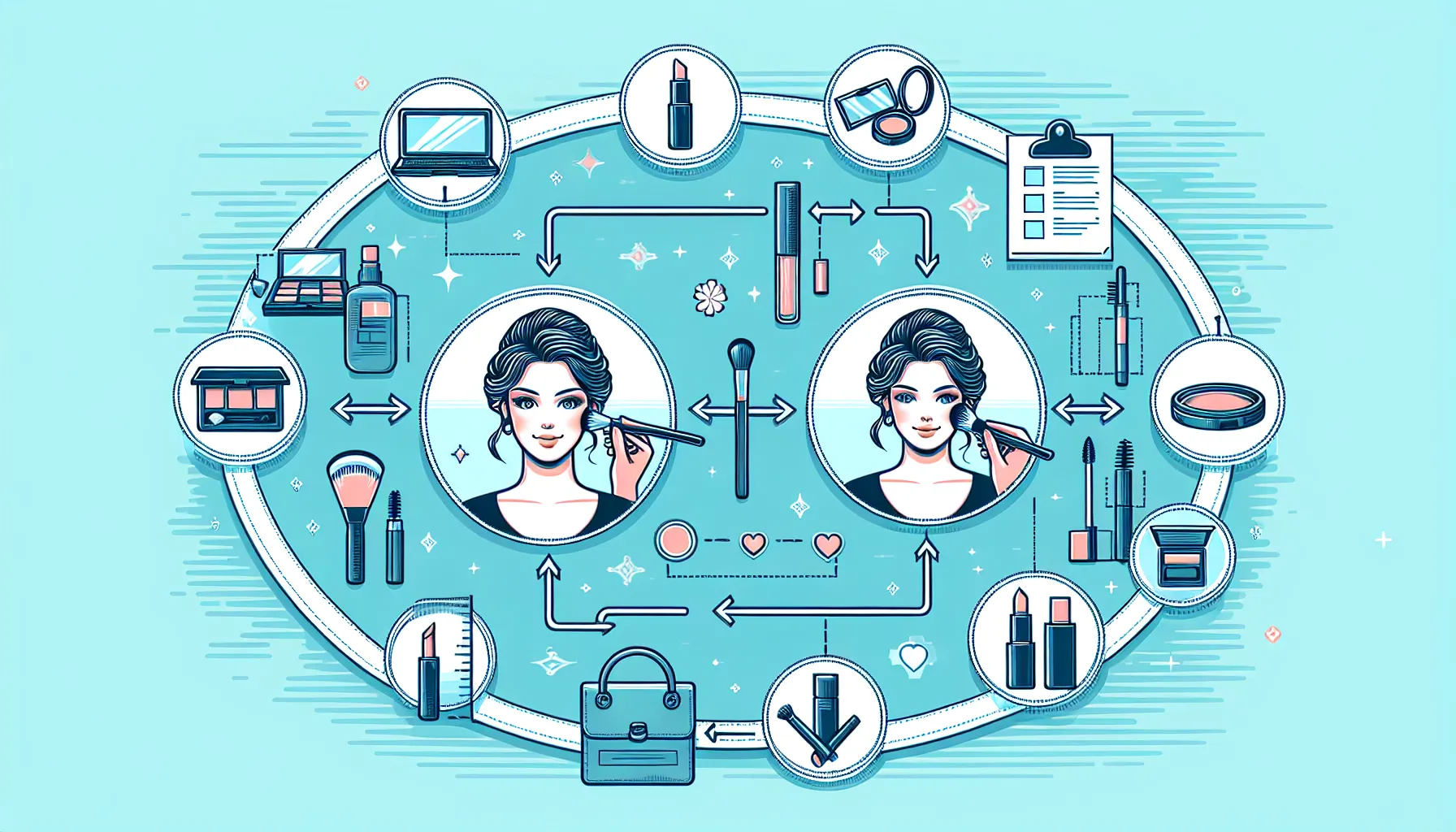
In this section of our makeup application tutorial, we will explore the essential steps for achieving a flawless makeup look like a pro. We will focus on two main areas: base makeup and eye makeup. By mastering these techniques, beginners will gain confidence and the skills needed to enhance their natural beauty.
Base Makeup
Creating a smooth, even base is crucial for any makeup look. The foundation not only provides coverage but also sets the stage for the rest of your makeup. Here are the steps and tips to achieve the best results:
- Prep Your Skin
- Begin with clean skin. Use a gentle cleanser to remove any dirt and oil.
- Apply a suitable moisturizer to hydrate your skin. For oily skin, consider a lightweight gel moisturizer, while dry skin may benefit from a richer cream.
- Use a primer to create a smooth canvas. Primers can help minimize the appearance of pores and fine lines. According to a survey by the NPD Group, about 62% of makeup users prefer using a primer before foundation for a smoother finish.
- Foundation Application
- Choose a foundation that matches your skin tone and type鈥攍iquid, cream, or powder.
- Use a makeup sponge or brush for application. For a natural look, apply foundation in thin layers. Start from the center of the face and blend outward.
- Layering products is essential for a smooth finish. If full coverage is desired, apply a second layer only in areas that need it, like redness or blemishes.
- Concealer
- After foundation, use a concealer to cover specific blemishes or dark circles. Apply it in a triangular shape under the eyes to brighten the area.
- Blend with a small brush or your fingertip for seamless coverage.
- Set with Powder
- A translucent setting powder can help lock in your foundation and concealer. Lightly dust it on areas that tend to get oily, such as the T-zone.
- Avoid applying too much powder, as it can create a cakey look.
- Blush and Bronzer
- Add warmth and dimension to your face with bronzer applied to the hollows of your cheeks, temples, and jawline.
- Use blush on the apples of your cheeks for a healthy glow.
Eye Makeup
The eyes are often considered the focal point of makeup application. Here鈥檚 how to achieve beautifully defined eyes:
- Eyeshadow Application
- Start by applying an eyeshadow primer to ensure longevity and vibrancy of your eyeshadow.
- For a blended look, choose a transition shade that is slightly darker than your skin tone to apply in the crease. This adds depth and dimension.
- Blend the transition shade with a fluffy brush, using a windshield wiper motion.
- Adding Color
- Apply the main eyeshadow color on the lid using a flat brush. For dramatic effects, consider shimmering or metallic shades.
- Deepen the outer corner with a darker shade and blend it into the crease. This technique creates an alluring gradient effect.
- Eyeliner Techniques
- Liquid or gel eyeliner can define your eyes. Start with a thin line along the lash line, gradually thickening it towards the outer corner.
- For a softer look, opt for a pencil liner that can be smudged slightly for a smoky effect.
- Mascara Application
- Curl your lashes before applying mascara to enhance the open-eye effect.
- Apply mascara from the roots to the tips, wiggling the wand to separate lashes. Consider using a volumizing mascara for added drama.
- Finishing Touches
- For a more polished look, apply a highlighter to the inner corners of the eyes and under the brow bone. This draws attention to your eyes and gives a fresh appearance.
Expert Insights and Tips
- Blending Techniques: The key to seamless eyeshadow application is in the blending. Invest in quality brushes, as they can make a significant difference in achieving a professional finish.
- Color Theory: Understanding color theory can enhance your makeup skills. For instance, complementary colors can make your eyes pop. If you have blue eyes, consider using warm tones like copper or bronze.
According to recent data from Vogue, the focus on eye makeup has surged, particularly with the rise of video content and social media beauty trends. This underscores the importance of mastering eye techniques as part of your guide for beginners in makeup.
In conclusion, mastering the base and eye makeup application processes is essential for anyone looking to apply makeup like a pro. By following these steps and incorporating the best makeup tips, you can elevate your skills and create stunning looks that enhance your natural beauty.
Current Makeup Trends and Techniques
Makeup trends are continuously evolving, reflecting societal changes, technological advancements, and cultural influences. In 2023, two distinct yet impactful trends have emerged: Minimalist Makeup and Bold Colors with Graphic Liners. Each trend offers a unique approach to makeup application, making them essential components of any makeup application tutorial.
Minimalist Makeup
Minimalist makeup represents a significant shift toward embracing natural beauty. This trend emphasizes the use of fewer products to achieve a fresh, effortless look. The philosophy behind minimalist makeup is simple: less is more. The focus is on enhancing natural features rather than masking them.
Key Elements of Minimalist Makeup:
Lightweight Formulas: Products like tinted moisturizers or BB creams are preferred over heavy foundations. According to a survey by Statista, 42% of consumers now favor lightweight foundations for daily wear.
Natural Tones: Shades that mimic the skin’s natural hues are increasingly popular. This includes soft browns, pinks, and peach tones for blush and eyeshadow.
Skin-Centric Approach: The skincare-makeup hybrid products are at the forefront. Brands like Glossier and Fenty Beauty have capitalized on this trend, offering products that blur the line between skincare and makeup.
Simple Application: A typical routine might include a lightweight foundation, a touch of blush, a few coats of mascara, and a tinted lip balm. The goal is to achieve a radiant, “no-makeup” look, which studies show has increased in popularity by 30% among younger demographics in the last year.
This trend is not just about aesthetics; it also reflects a cultural movement toward self-acceptance and authenticity. Social media platforms like Instagram and TikTok have played a significant role in promoting minimalist looks, often featuring influencers who showcase their bare faces alongside minimal makeup.
Bold Colors and Graphic Liners
In contrast to the subtlety of minimalist makeup, bold colors and graphic liners are making a fierce comeback. This trend is all about making a statement and expressing individuality through vibrant colors and artistic designs.
Key Elements of Bold Colors and Graphic Liners:
Vibrant Eyeshadows: Bright shades like electric blue, fiery red, and neon green are being used to create eye-catching looks. According to a report from Vogue, bold eyeshadow sales surged by 25% in Q1 2023, indicating a strong consumer demand for colorful palettes.
Graphic Eyeliners: This technique involves using eyeliner to create bold shapes or designs around the eyes. For example, the recent trend of double-winged eyeliner has been featured by celebrities such as Billie Eilish and Lizzo, showcasing a fresh take on traditional eyeliner. This trend encourages creativity, allowing individuals to experiment with shapes and colors.
Color-Blocking Techniques: Makeup artists are now using contrasting colors to create looks that pop. This involves pairing bright eyes with equally vibrant lips or cheeks. A popular look might involve a pastel eye with a bright orange lip, showcasing the versatility of color in makeup.
Inspiration from Art and Fashion: The graphic liner trend has been heavily influenced by runway shows and art movements. Designers like Marc Jacobs and Versace have incorporated bold makeup into their collections, inspiring makeup enthusiasts to adopt similar styles.
The rise of TikTok has further popularized these bold looks, with challenges and tutorials that encourage users to try graphic eyeliner techniques. A recent study found that 68% of Gen Z consumers are more likely to experiment with bold makeup styles after seeing them on social media.
Conclusion
Both minimalist makeup and bold colors with graphic liners represent the diverse landscape of current makeup trends. By understanding these techniques, individuals can find their unique style and enhance their makeup application skills. Whether you prefer the understated elegance of minimalist makeup or the vibrant expressions of bold colors, there’s a place for every makeup lover in today’s beauty world.
For more insights on makeup trends and techniques, check out the expert opinions at Vogue and the latest industry reports from Statista and BeautyMatter.
Exploring these trends not only enhances your makeup skills but also allows you to express your creativity, making makeup application an enjoyable and fulfilling experience.

Best Makeup Tips for Beginners
Mastering the art of makeup can seem daunting, especially for beginners. However, learning from common mistakes and knowing quick fixes can significantly enhance your makeup application skills. This guide for beginners makeup aims to equip you with the best makeup tips to avoid pitfalls and correct mishaps effectively.
Common Mistakes to Avoid
- Skipping Skincare: One of the most frequent errors beginners make is neglecting skincare before makeup application. A well-prepped face creates a smooth canvas, allowing makeup to adhere better and last longer.
- Important: Always cleanse, tone, and moisturize your skin before applying makeup.
- Choosing the Wrong Foundation Shade: Many beginners pick a foundation shade that doesn鈥檛 match their skin tone. This can lead to an unnatural appearance.
- Best Makeup Tip: Test foundation shades on your jawline in natural light to find the perfect match.
- Overdoing Eyeliner: Applying too much eyeliner can make eyes look smaller or overly dramatic for everyday wear.
- Simple Trick: Instead of a thick line, try tightlining your waterline for a subtle enhancement.
- Neglecting Blending: Harsh lines can ruin the entire look. Beginners often forget to blend eyeshadow, blush, and foundation properly.
- Best Makeup Tip: Use a damp makeup sponge or a blending brush to seamlessly blend products into the skin.
- Applying Lipstick Without Liner: Skipping lip liner can lead to lipstick feathering and uneven edges.
- Notable: Use a lip liner that closely matches your lipstick for a polished finish.
Quick Fixes for Makeup Mishaps
Even seasoned makeup artists encounter mishaps. Here are some quick fixes for common errors that can save your look:
- Eyeliner Errors: If your eyeliner is smudged or uneven, don鈥檛 panic.
- Quick Fix: Use micellar water on a cotton swab to gently correct mistakes without disturbing the rest of your makeup.
- Foundation Caking: If your foundation appears cakey, you can refresh your look easily.
- Simple Trick: Mist your face with a setting spray or a hydrating face mist and gently pat with a sponge to blend.
- Faded Blush: If your blush has faded throughout the day, it鈥檚 easy to refresh.
- Quick Fix: Apply a small amount of lip tint to your cheeks, blending it with your fingers for a natural flush.
- Eyeshadow Fallout: If you experience fallout from your eyeshadow, it can mar your foundation.
- Important: Before applying eyeshadow, place a tissue under your eyes, or use a setting powder on your cheeks to catch any fallout.
- Mascara Clumps: Clumpy mascara can ruin your eye look.
- Simple Trick: Use a clean spoolie brush to separate your lashes after applying mascara.
Conclusion
Learning to apply makeup like a pro involves both understanding the common pitfalls and knowing how to remedy them quickly. Remember that practice is key, and the more you experiment, the more skilled you will become. By following these best makeup tips and utilizing quick fixes, you will enhance your makeup application skills significantly.
According to a recent study by Harvard, practicing makeup application can boost confidence and improve overall skills, making it essential for beginners to embrace the learning curve.
As you continue your makeup journey, remember that mistakes are part of the process. Embrace them, learn, and keep experimenting until you find what works best for you. With time, you will develop your unique style and technique, making you feel like a pro in no time.
For more insights on makeup trends and techniques, check out Vogue’s beauty section for the latest in the industry.
Future Projections in Makeup Trends
As the beauty industry continues to evolve, two significant trends are emerging that are shaping the future of makeup: sustainable beauty and technological innovations. This section will explore the growing demand for eco-friendly products and the role of technology, particularly augmented reality (AR), in makeup application.
Sustainable Beauty
The shift toward sustainability in beauty is not just a trend; it has become a necessity as consumers become increasingly eco-conscious. Recent studies indicate that 54% of consumers actively seek out environmentally friendly products when shopping for makeup. As a result, brands are being compelled to adapt their practices, focusing on sustainability in both product formulation and packaging.
Key elements of this trend include:
- Eco-Friendly Ingredients: Many brands are prioritizing natural, organic, and cruelty-free ingredients. For instance, brands like Fenty Beauty and RMS Beauty are known for their transparent ingredient lists and commitment to ethical sourcing.
- Sustainable Packaging: The cosmetics industry is moving away from single-use plastics. Brands like Lush and Kjaer Weis are leading the way by utilizing biodegradable and refillable packaging options.
- Carbon Neutrality: Numerous companies are pledging to become carbon neutral. A notable example is Aveda, which has committed to achieving this goal by reducing its carbon footprint and using renewable energy sources.
According to a report from Bloomberg, the global market for sustainable beauty products is projected to reach $13.2 billion by 2030, underlining the growing consumer demand for eco-friendly options. This shift not only reflects consumer preferences but also encourages brands to innovate in their sustainability efforts.
Technological Innovations
The integration of technology into makeup application is revolutionizing how consumers engage with beauty products. One of the most exciting advancements is the use of augmented reality (AR) in makeup application.
Virtual Try-On Features: Brands such as Sephora and Ulta Beauty have adopted AR technology to allow customers to virtually try on products before purchasing. This feature uses facial recognition software to overlay makeup looks onto a user’s image, enhancing the shopping experience. According to The Verge, around 30% of consumers have reported that they are more likely to purchase a product after using a virtual try-on feature.
AI-Powered Recommendations: Companies like L’Oreal are utilizing artificial intelligence to provide personalized makeup recommendations based on a user’s skin tone, preferences, and even facial features. These tailored suggestions help consumers find the perfect products, making the makeup application tutorial process more accessible and efficient for beginners.
Here is a table summarizing the key technological innovations in makeup:
| Technology | Description | Benefits |
|---|---|---|
| Virtual Try-On | AR technology that allows users to see how products look on them | Enhances shopping experience |
| AI Recommendations | Personalized product suggestions based on user data | Increases customer satisfaction |
Conclusion
The future of makeup is poised for exciting transformations driven by sustainability and technology. Brands that prioritize eco-friendliness in their product offerings will likely see a loyal customer base, while those that embrace technological innovations, such as AR and AI, will continue to enhance the shopping experience for consumers.
For those interested in a comprehensive makeup application tutorial or looking for the best makeup tips, staying informed about these trends is essential. The guide for beginners in makeup not only includes techniques but also emphasizes the importance of making informed choices about the products they use.
As we move forward, it will be essential for beauty brands to balance innovation with responsibility, ensuring they meet the evolving expectations of consumers while contributing positively to the environment.
For more insights on the intersection of technology and beauty, consider exploring TechCrunch’s coverage on this topic, and stay updated with Bloomberg’s analysis of market trends in sustainable beauty.
Key Takeaways for Aspiring Makeup Artists
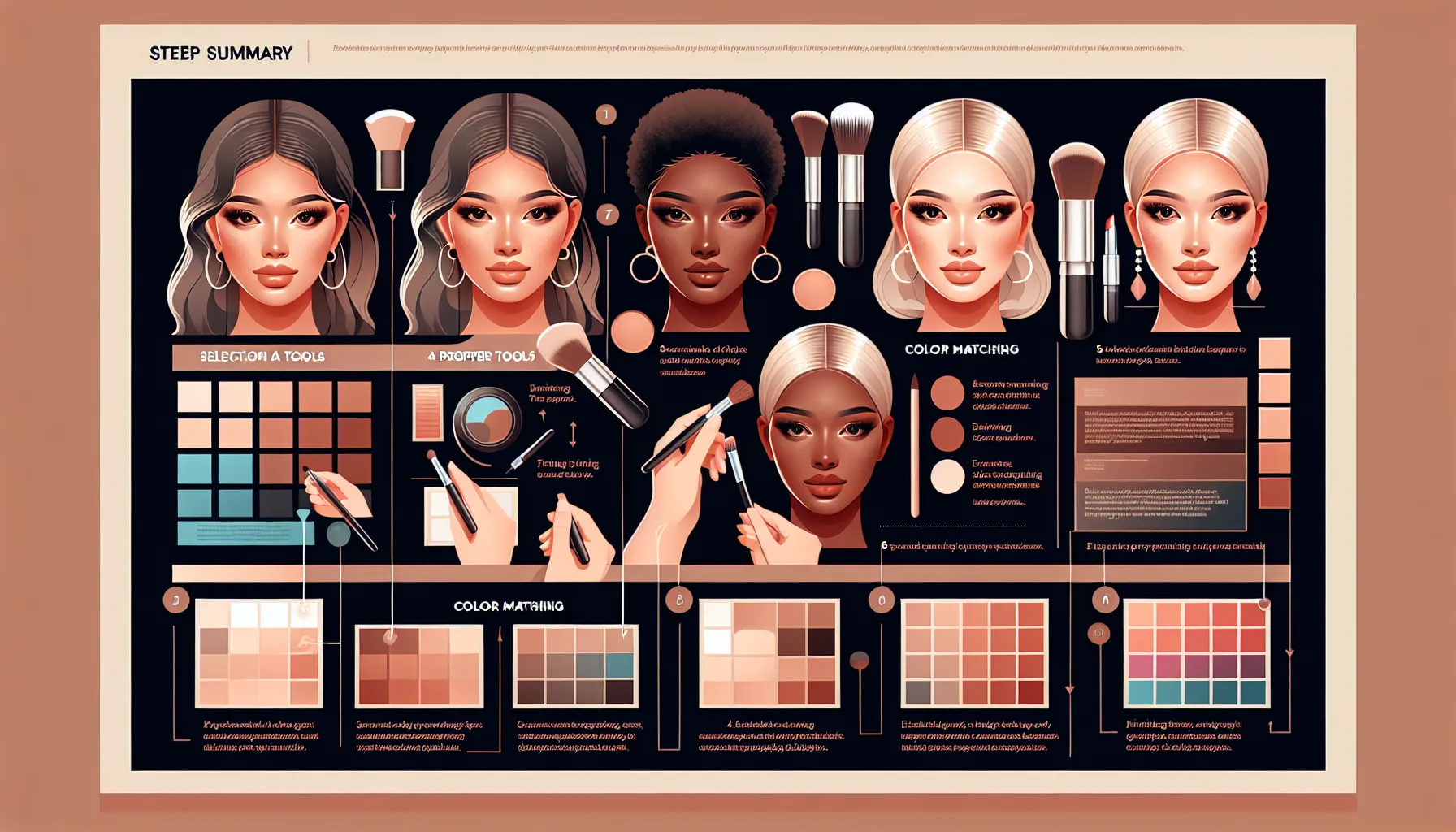
As we conclude our step-by-step guide to applying makeup like a pro, it’s crucial to reflect on the key insights that aspiring makeup artists should carry forward. The beauty industry is ever-evolving, and staying ahead requires not just skill but a deep understanding of current trends and innovations.
- Practice is essential for mastering makeup techniques: Regular practice is fundamental to honing your makeup application skills. Whether it鈥檚 perfecting your contouring or experimenting with bold eye looks, consistent practice will build your confidence and expertise. Consider setting aside time each week to experiment with different techniques and products.
- Stay updated on current trends to keep your skills relevant: The beauty landscape is influenced by fashion, culture, and social media, making it imperative to stay informed about emerging trends. Follow industry leaders on platforms like Instagram and TikTok, where trends often emerge. Resources like Refinery29 offer valuable insights into what’s trending in the beauty world.
- Embrace new technologies and sustainable practices in makeup: The future of makeup is leaning towards sustainability and innovation. Brands are increasingly investing in eco-friendly packaging and ingredients. Familiarize yourself with brands that prioritize sustainability, and incorporate these practices into your artistry. Knowledge of technological advancements, such as augmented reality makeup try-ons, can also enhance your skills and appeal to modern consumers.
Nowadays, as the makeup industry continues to evolve, aspiring artists must not only focus on traditional skills but also adapt to the digital age. Social media platforms have transformed how makeup is marketed and consumed. Engaging with your audience online can set you apart in a competitive field. Consider creating a portfolio on platforms like YouTube or Instagram to showcase your skills and connect with potential clients.
Looking ahead, the beauty industry is expected to further embrace diversity and inclusivity. The demand for products that cater to all skin tones and types is growing. As an aspiring makeup artist, being knowledgeable about these diverse needs will position you as a forward-thinking professional. According to Forbes, the integration of artificial intelligence in beauty applications will also redefine customer experiences, making it essential for new artists to adapt to these changes.
In conclusion, the path to becoming a professional makeup artist is paved with practice, continuous learning, and adaptability. Now is the perfect time to invest in your education and explore the latest innovations in the beauty world. Embrace every opportunity to learn and grow, and don鈥檛 hesitate to experiment with new techniques and products. The beauty community is vast and supportive, so engage, share, and inspire others as you embark on this exciting journey.
Take action today鈥攕tart practicing, learn about the latest trends, and make sustainability a core principle of your artistry. Your journey to becoming a pro starts now!
Frequently Asked Questions
What are the best products for beginners?
For beginners, it’s essential to start with versatile products that are easy to use. A good foundation, such as a tinted moisturizer or BB cream, provides a natural look with minimal effort. Look for a creamy concealer for blemishes and under-eye circles. A neutral eyeshadow palette, mascara, and a tinted lip balm can enhance your features without overwhelming you. Finally, a setting spray can help keep your makeup in place. Brands like Maybelline and e.l.f. offer affordable options perfect for beginners.
How can I make my makeup last all day?
To ensure your makeup lasts all day, start with a clean and moisturized face. Apply a primer that suits your skin type to create a smooth canvas. Use long-wearing or waterproof formulas for foundation, concealer, and eyeliner. Setting your makeup with translucent powder helps to absorb excess oil. A setting spray can lock everything in place for hours. Remember to avoid touching your face throughout the day to prevent smudging and wear. These steps will keep your makeup looking fresh and flawless.
What are some tips for applying makeup on different skin types?
Understanding your skin type is crucial for makeup application. For oily skin, use oil-free foundations and setting powders to control shine. For dry skin, opt for hydrating foundations and cream products that provide moisture. Combination skin may require using different products on varying areas; a matte primer can help oily zones, while a hydrating one works well on dry patches. Sensitive skin should stick to hypoallergenic products. Always test products before use to avoid irritation and choose formulas that cater specifically to your skin needs.
What makeup tools should I invest in as a beginner?
As a beginner, investing in a few essential makeup tools can make a significant difference. A quality foundation brush or sponge helps achieve an even application. A blending brush is crucial for seamless eyeshadow application, while a flat brush can be used for precise eyeliner. Additionally, a blush brush and a brow spoolie are useful for completing your look. Consider purchasing a good quality set from reputable brands. Remember, clean brushes regularly to maintain their effectiveness and keep your skin healthy.
How do I choose the right foundation shade?
Choosing the right foundation shade is key to achieving a natural look. Start by testing a few shades on your jawline in natural light. The foundation should seamlessly blend into your skin without leaving a noticeable line. Consider your undertone: warm (yellow), cool (pink), or neutral. If you鈥檙e unsure, opt for a shade labeled as ‘neutral.’ It鈥檚 also beneficial to try samples or testers before committing to a full product. Remember to consider seasonal changes in your skin tone as well.
What are some common makeup mistakes to avoid?
Common makeup mistakes can detract from your look. One frequent error is applying too much foundation, which can create a cakey appearance. Always start with a small amount and build coverage as needed. Another mistake is neglecting to blend properly, especially around the jawline and hairline. Additionally, using the wrong shade of concealer can highlight imperfections instead of hiding them. Lastly, remember to set your makeup with powder or spray to avoid smudging. Taking your time and being mindful will lead to a polished finish.
How can I achieve a natural makeup look?
Achieving a natural makeup look requires a light hand and the right products. Start with a lightweight foundation or BB cream to even out your skin tone. Use a cream blush for a subtle flush and blend it well. For eyes, opt for neutral shades and a coat of mascara to enhance without looking overdone. Keep brows natural and brushed. Finish with a tinted lip balm or a nude lipstick. The key is to enhance your features rather than mask them, allowing your natural beauty to shine through.