
How to Layer Clothes for a Chic Look: A Fashion Layering Guide
A practical fashion layering guide 鈥?how to build outfits that read chic rather than bulky, with real rules on proportion, fabric pairing, and color weight.

21 min read
Getting Started
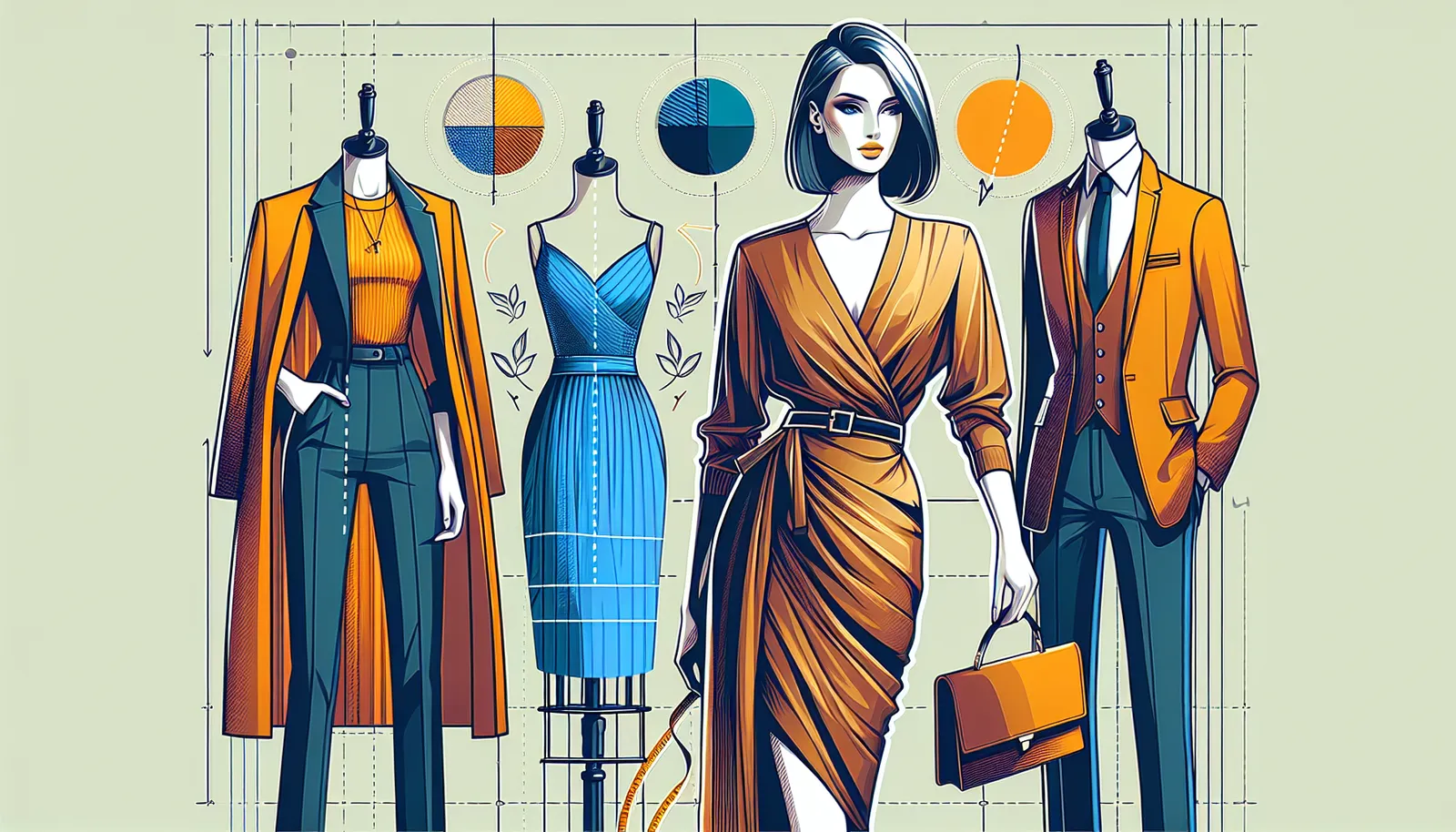
Layering that reads as chic follows a few simple rules that most people break without realizing. Thin fabrics closer to the skin, thicker over the top. Longer pieces under shorter ones, not the reverse 鈥?or commit fully to the reverse as a deliberate statement. Colors need weight as well as hue: a cream cashmere, a caramel trench, a charcoal wool scarf, all different tones but visually balanced.
This fashion layering guide is hands-on. We cover the base logic of layering (proportion, fabric, color weight), a simple three-layer and four-layer formula, how to transition the same layers from autumn into winter, and the specific mistakes 鈥?bulky sleeves under tight sleeves, matching neutrals that cancel each other out 鈥?that turn an outfit from chic into shapeless. Expect rules you can actually apply the next morning.
The Basics of Layering
Layering clothes is an art form that combines functionality with style. It allows individuals to adapt to varying temperatures and settings while making a fashion statement. This section will explore the fundamentals of layering, including an understanding of layering and the types of layers that can be utilized for a chic look.
Understanding Layering
Layering is not just about throwing on multiple items of clothing; it involves a strategic approach to create a cohesive and stylish outfit. The primary goal is to balance comfort, warmth, and aesthetics. Here are some key principles to consider when learning how to layer outfits effectively:
Base Layer: Start with a base layer that provides comfort and warmth. This layer should be skin-tight but not restrictive. Fabrics like cotton, merino wool, or moisture-wicking materials are excellent choices. For instance, a fitted turtleneck serves as a perfect base layer under various outfits.
Mid-Layers: These layers add insulation and can introduce texture and color to your outfit. Mid-layers can include cardigans, blazers, or chunky knits. An example of a chic combination would be a fitted turtleneck paired with a chunky knit sweater or a tailored blazer. This combination not only looks stylish but also keeps you warm during colder months.
Outer Layer: The outer layer is typically your jacket or coat, which provides the final touch and additional warmth. A structured trench coat or a stylish puffer jacket can elevate your outfit while providing protection against the elements.
Types of Layers
To build the perfect layered outfit, understanding the different types of layers is essential. Below are the main categories:
Base Layers:
Fitted turtlenecks
Long-sleeve tees
Thermal tops
Mid-Layers:
Chunky knit sweaters
Cardigans
Denim jackets
Outer Layers:
Trench coats
Puffer jackets
Leather jackets
By combining these layers thoughtfully, you can achieve a chic and functional outfit. For example, layering a fitted turtleneck with a chunky knit and finishing with a tailored coat creates an ensemble that is both warm and stylish.
Best Layering Tips
To master the art of layering, consider these best layering tips:
Play with Textures: Mixing different textures can add depth to your outfit. Try pairing a soft cotton base layer with a rougher knit mid-layer. This contrast will enhance the overall look.
Color Coordination: Stick to a color palette that complements each layer. Neutral tones can be easily mixed, while a pop of color can make an outfit stand out.
Layering with Proportions: When layering, ensure that your layers vary in length. For instance, a shorter jacket over a longer shirt can create an interesting silhouette.
Accessories Matter: Scarves, belts, and hats can be excellent additions to your layered look. They not only provide additional warmth but also enhance your outfit’s overall aesthetic.
According to a recent study by Vogue, layering is a critical skill for fashion-forward individuals, especially during transitional seasons. Being able to mix and match layers allows for versatile outfit choices, catering to both comfort and style.
Conclusion
In conclusion, understanding the basics of layering is crucial for achieving a chic look that is both practical and fashionable. By focusing on your base, mid, and outer layers, you can create outfits that not only look good but also provide comfort and warmth. As you develop your layering skills, remember to experiment with textures, colors, and proportions to find what works best for you.
In our next section, we will explore advanced layering techniques and how to incorporate seasonal trends into your layered outfits. Stay tuned for more tips and insights into the world of chic layering!
Current Trends in Layering
Layering has become a significant aspect of modern fashion, providing not only warmth and comfort but also an opportunity to express personal style. As we explore the current trends in layering, we will focus on two notable techniques: layering with oversized pieces and mixing textures. Both methods not only elevate a basic outfit but also demonstrate chic layering techniques that can make any look stand out.
Layering with Oversized Pieces
Oversized fashion has taken the industry by storm, becoming a staple in many wardrobes. Oversized blazers, coats, and sweaters allow for a relaxed yet stylish appearance. According to a recent report from Vogue, oversized silhouettes have surged in popularity, with searches for “oversized blazers” increasing by 60% on social media platforms like Instagram and Pinterest in the past year.
When incorporating oversized pieces into your outfits, keep the following tips in mind:
Balance Proportions: Pair oversized tops with fitted bottoms, such as skinny jeans or tailored trousers. This contrast enhances your silhouette and prevents the outfit from appearing frumpy.
Layering Essentials: Wear a fitted turtleneck or a sleek blouse under an oversized blazer for a polished look. This layering method not only adds warmth but also creates an interesting visual dynamic.
Statement Outerwear: An oversized coat can serve as a statement piece. For instance, a long, oversized trench coat over a fitted dress creates a chic juxtaposition that highlights both pieces.
Consider this example: a casual yet sophisticated ensemble featuring an oversized wool blazer layered over a fitted turtleneck, paired with high-waisted, straight-leg jeans and chunky ankle boots. This look effortlessly combines comfort with style, making it perfect for both office settings and casual outings.
Mixing Textures
Texture mixing is a game-changer in the fashion layering guide, adding depth and intrigue to outfits. By combining different materials, you can create dynamic and visually appealing looks. The current trend favors unexpected combinations, such as pairing leather with softer fabrics like silk or cotton.
Here are some best layering tips for mixing textures:
Contrast Hard and Soft: A leather jacket layered over a silky blouse creates a striking contrast. The juxtaposition of the rugged leather with the delicate silk adds sophistication and edge to your outfit.
Layering Accessories: Incorporate textured accessories to enhance your look. For instance, a chunky knit scarf can add warmth and interest when layered over a sleek, tailored coat.
Color Coordination: When mixing textures, coordinating colors can help maintain a cohesive look. Stick to a neutral palette and add pops of color through accessories to keep the outfit balanced.
An excellent example of this technique is pairing a leather biker jacket with a flowing silk blouse and classic denim. This combination epitomizes chic layering techniques, transforming a simple outfit into one that exudes style and confidence.
Conclusion
Incorporating oversized pieces and mixing textures into your wardrobe can significantly enhance your layering game. Staying informed about current trends allows you to experiment with different looks while maintaining a chic aesthetic. As you navigate the world of fashion layering, remember to balance proportions and play with textures for the most striking results.
For more insights on layering trends, you can refer to the latest updates from Vogue’s fashion section and GQ’s style guide. Additionally, Elle’s latest fashion trends offer a plethora of ideas on how to master the art of layering effectively.
Color Coordination and Patterns
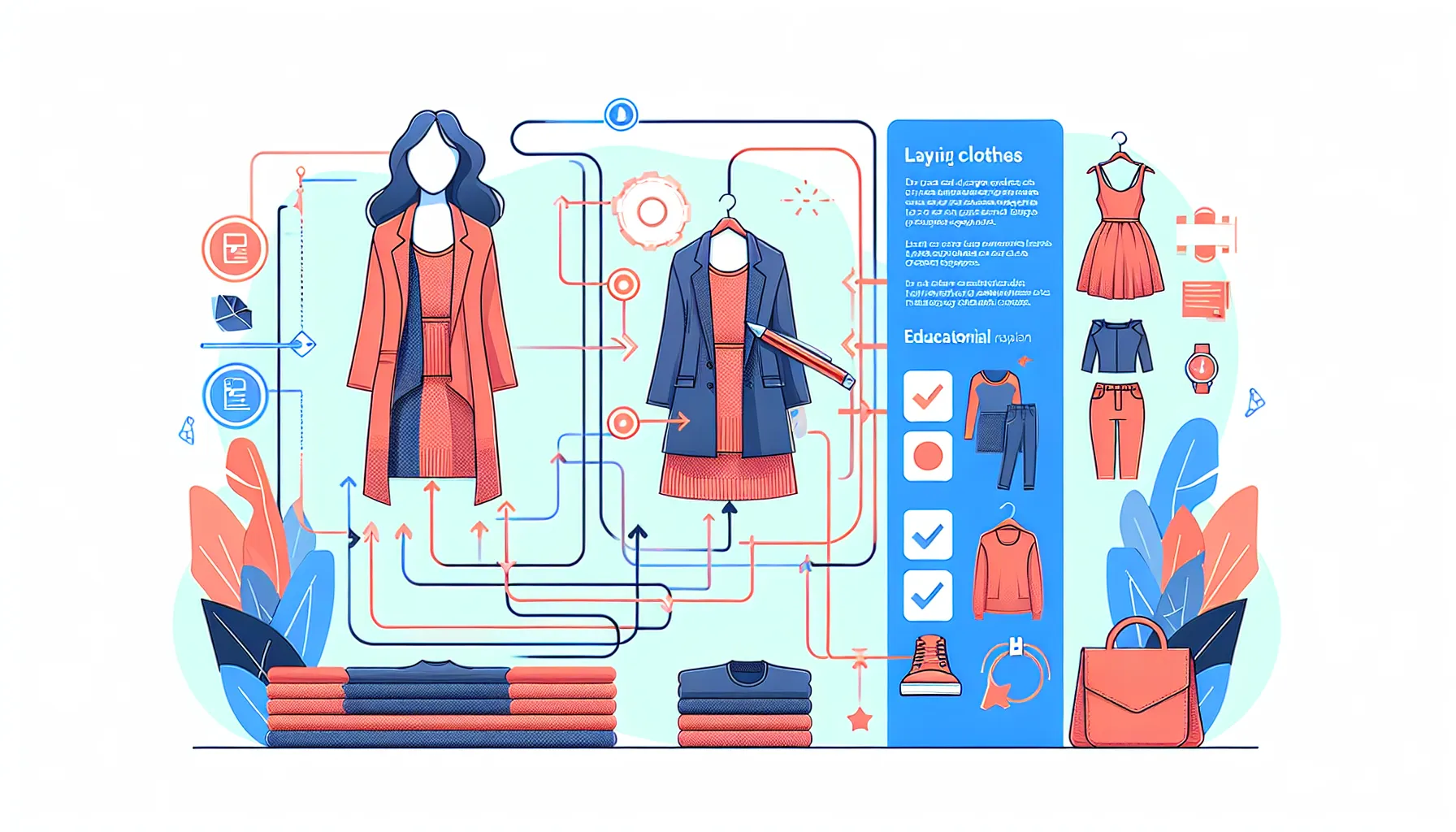
When it comes to layering outfits for a chic look, color coordination and pattern mixing play pivotal roles. Mastering these elements can elevate your style quotient, ensuring you stand out while feeling comfortable. In this section, we will explore monochromatic layering and the art of playing with patterns, offering you the best layering tips along the way.
Monochromatic Layering
Monochromatic outfits involve using different shades, tints, and tones of a single color. This technique creates a sleek aesthetic that is not only visually appealing but also incredibly versatile. Here are some key benefits of monochromatic layering:
Streamlined Appearance: Wearing a single color scheme elongates the silhouette, making you appear taller and more put together. For example, pairing a light gray turtleneck with charcoal gray trousers and a darker gray coat creates a cohesive look that exudes sophistication.
Easy Coordination: Sticking to one color family simplifies the decision-making process when getting dressed. You can easily mix and match various pieces without worrying about clashing colors.
Emphasis on Textures and Accessories: Monochromatic outfits allow for the exploration of different textures. Consider layering a chunky knit sweater over a sleek satin slip dress in the same color. Additionally, you can play with accessories鈥攍ike a statement belt or a bold handbag鈥攊n complementary shades to enhance the overall look.
Recent fashion trends indicate that monochromatic styling is particularly popular among influencers and fashionistas. According to Vogue, monochromatic outfits have seen a significant rise on social media platforms, with users gravitating towards visually striking, cohesive looks that are easy to replicate.
Playing with Patterns
While monochromatic layering simplifies choices, mixing patterns introduces a fun and dynamic element to your outfits. However, this technique requires a careful balance and attention to scale. Here are some effective strategies for mixing patterns:
Choose a Dominant Pattern: Start with one prominent pattern, then incorporate smaller patterns that complement it. For instance, if you choose a bold floral print dress, consider a striped blazer in the same color palette. This creates a visual hierarchy and prevents the outfit from feeling overwhelming.
Maintain Color Coordination: Mixing patterns works best when the colors are in harmony. For example, layering stripes with florals in complementary colors allows the patterns to coexist without clashing. A classic combination could involve a navy and white striped shirt paired with a floral skirt that has hints of navy, creating an attractive yet balanced look.
Consider Scale: Varying the scale of patterns can enhance your layered outfit. Pair large florals with smaller polka dots or stripes to create visual interest. The key is to ensure that one pattern does not overpower the other.
Practical Examples of Layering Techniques
To illustrate the effectiveness of these techniques, here are some examples of chic outfits that utilize color coordination and pattern mixing:
- Monochromatic Look:
- Outfit: Deep green turtleneck, emerald green tailored trousers, and a forest green long coat.
- Accessories: Dark green leather boots and a forest green handbag.
- Pattern Mixing:
- Outfit: A striped navy and white blouse layered under a floral print cardigan with navy and white flowers.
- Bottoms: Light denim jeans to keep the look fresh and casual.
- Accessories: A thin navy belt and white ankle boots to tie the outfit together.
Conclusion
Understanding how to layer outfits effectively with a focus on color coordination and patterns can drastically improve your style. Monochromatic layering offers a streamlined aesthetic, while playing with patterns injects personality and flair into your wardrobe. With these chic layering techniques, you can effortlessly create fashionable looks that stand out in any setting.
For more insights on fashion layering, check out these resources: Vogue’s Fashion Section, GQ Style Guide, and Elle’s Fashion Trends.
Layering for Different Seasons
Layering clothes effectively can be a game-changer for achieving a chic look throughout the year. The art of layering varies significantly between spring/summer and fall/winter seasons, with each requiring different techniques and fabric choices. This section explores how to layer outfits appropriately for different seasons, focusing on the best layering tips for warmer and colder weather.
Spring/Summer Layering
During the warmer months, the goal is to create a lightweight and breathable outfit that still offers versatility. It鈥檚 essential to select fabrics that allow air circulation while also providing style. Here are some best practices for spring and summer layering:
Choose Light Fabrics: Opt for materials like cotton, linen, and lightweight knits that are breathable and comfortable against the skin. These fabrics help prevent overheating while still allowing for stylish layering.
Layer with Purpose: Incorporate layers that can be easily removed or added as temperatures fluctuate throughout the day. For instance, a lightweight cardigan or kimono can be a perfect addition over a summer dress, allowing you to transition from a sunny afternoon to a cooler evening.
Accessorize Wisely: Use accessories such as scarves or lightweight shawls that can add a layer of style without heavy bulk. They can also serve as a functional layer against the sun or a cool breeze.
Example of Spring/Summer Layering
One classic example of spring layering is wearing a lightweight cardigan over a floral summer dress. This combination not only adds a chic dimension to the outfit but also provides warmth during cooler spring evenings. With a pair of ankle boots or stylish sandals, this look can easily transition from day to night.
Fall/Winter Layering
As the temperature drops, layering becomes more complex but also more rewarding. The key to chic winter layering is to use heavier fabrics while maintaining a polished appearance. Here are essential layering techniques for fall and winter:
Invest in Heavy Knits: Materials such as wool, cashmere, and thermal fabrics are ideal for colder weather. They offer warmth without sacrificing style, making them perfect for chic layering.
Utilize Base Layers: Start with a fitted base layer, such as a turtleneck or a thermal long-sleeve shirt. This will serve as an insulating layer that can be layered under bulkier items without adding excess volume.
Play with Lengths: Mixing different lengths can add visual interest to your outfit. For example, pairing a long cardigan over a shorter sweater creates dimension and can be flattering for various body types.
Example of Fall/Winter Layering
A stylish fall outfit might include a fitted turtleneck, layered under a chunky knit sweater, topped with a long coat. This combination not only provides warmth but also creates a sleek silhouette. Accessorizing with a wide-brimmed hat and knee-high boots can elevate the entire look while keeping it functional for colder weather.
Conclusion
Mastering the art of layering for different season’s is essential for achieving a chic look. By understanding the fabric choices and layering techniques appropriate for spring/summer and fall/winter, you can create versatile outfits that not only look great but also suit the varying temperatures throughout the year.
As a final note, remember that layering is about personal style and comfort. Experiment with different combinations to find what works best for you. The right layers can transform even the simplest outfits into chic statements. For more inspiration, check out style guides from Vogue, and explore seasonal tips from Elle.
By incorporating these fashion layering guide principles, you will not only stay stylish but also navigate the complexities of seasonal dressing with ease.
Accessorizing Your Layers
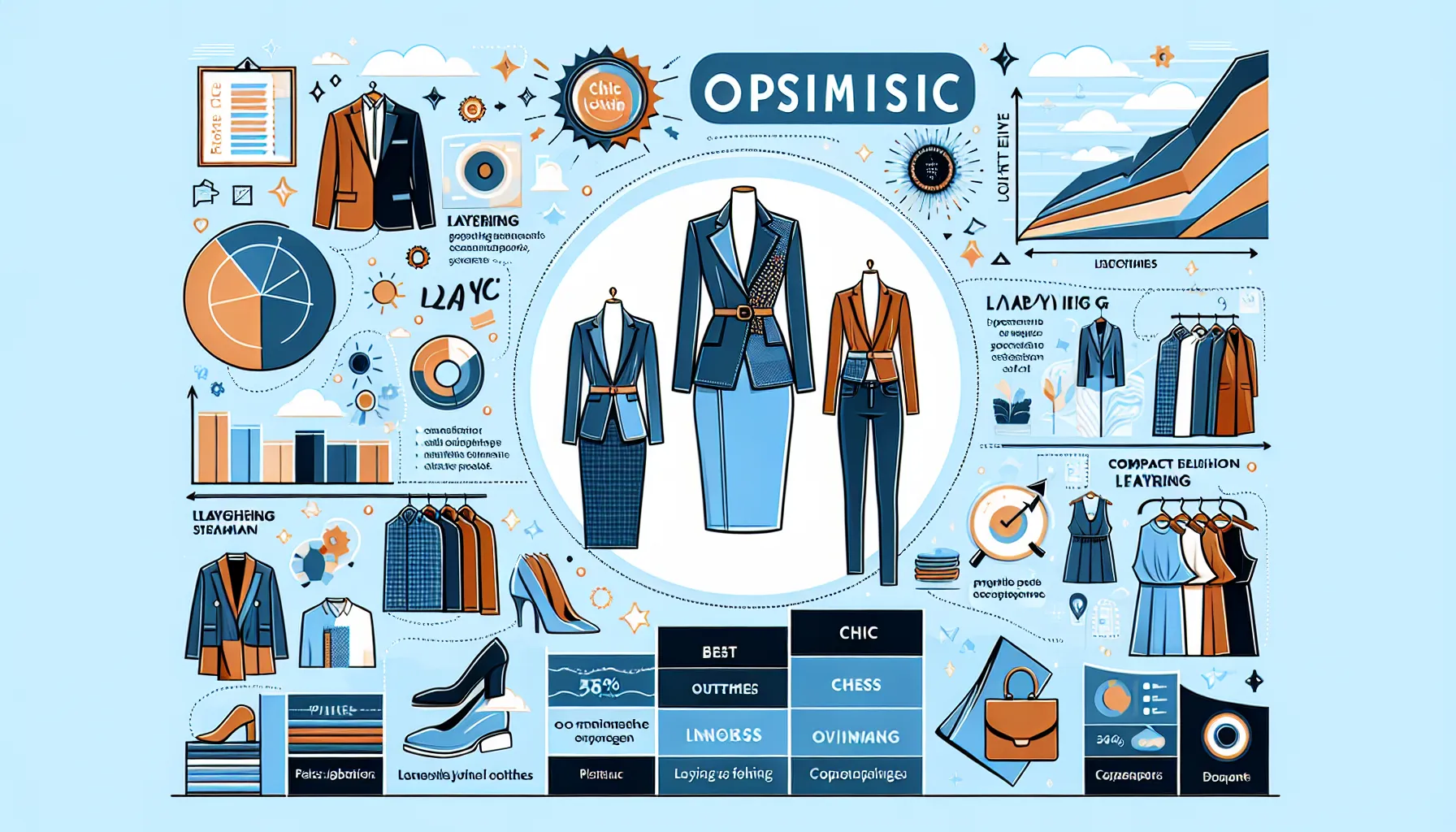
When it comes to layering outfits, the right accessories can make all the difference in achieving a chic look. Accessories not only elevate your entire appearance but also serve functional purposes, such as adding warmth or defining your silhouette. This section will explore how to effectively use scarves, belts, and the right footwear to enhance your layered outfits.
Scarves and Belts
Scarves and belts are two essential accessories that can transform a layered outfit from ordinary to extraordinary. Here鈥檚 how to make the most of these accessories:
Scarves: A versatile scarf can add color, texture, and warmth to your outfit. Consider these styling tips:
Layering Technique: When wearing a scarf, opt for lightweight materials like silk or cotton when layering in warmer months. In colder seasons, choose thicker fabrics like wool or cashmere to add warmth.
Knotting Styles: Different knotting techniques can change the look of your scarf significantly. The classic loop, the draped style, or a chic knot at the side can all create distinctive looks.
Color and Pattern: Use scarves with bold patterns or colors to add a focal point to your outfit. For instance, a bright patterned scarf can liven up a neutral ensemble.
Belts: A statement belt can serve as a stunning focal point and help define your waist, especially in a layered outfit. Here鈥檚 how to use belts effectively:
Define Your Silhouette: Adding a belt can create a flattering silhouette, particularly over longer layers like cardigans or blazers. For example, cinching a belted trench coat at the waist can highlight your figure while still providing warmth.
Play with Width: Experiment with different belt widths. A thicker belt can make a bolder statement, while a thinner belt can create a more delicate look.
Material Matters: Leather belts offer a polished touch, while fabric belts can lend a more casual, relaxed vibe.
Notable: A recent survey by Vogue indicates that over 70% of fashion-forward individuals consider accessories to be vital in enhancing layered outfits, highlighting their importance in modern styling.
Footwear Choices
Choosing the right footwear is crucial when it comes to layering outfits. The shoes you wear can either tie your look together or detract from it. Here are some best layering tips for footwear:
Consider Proportions: The height and style of your footwear can influence the overall silhouette of your outfit. For instance:
Ankle Boots: Great for pairing with cropped pants or long dresses, ankle boots can balance out longer layers.
Knee-High Boots: These look fantastic with mini dresses or skirts, providing a chic, elongating effect.
Color Coordination: Footwear should complement the color palette of your outfit. Consider:
Neutral Footwear: Colors like beige, black, or white can act as a grounding element in a layered look.
Bold Footwear: A pop of color in your shoes can create a striking contrast, making your outfit more dynamic.
Comfort vs. Style: It鈥檚 essential to strike a balance between comfort and style. According to a recent study by the American Podiatric Medical Association, nearly 80% of women prioritize comfort when choosing footwear, indicating that chic looks should not come at the expense of comfort.
Conclusion
Accessorizing your layers with scarves, belts, and the right footwear can significantly enhance your overall look and make your outfits appear more polished and intentional. Remember the best layering tips: play with textures, colors, and proportions to create a chic, cohesive look. By mastering these chic layering techniques, you can turn any outfit into a fashion statement.
For more insights on fashion layering, check out the latest trends at Vogue and explore comprehensive layering guides at GQ.
Key Takeaways
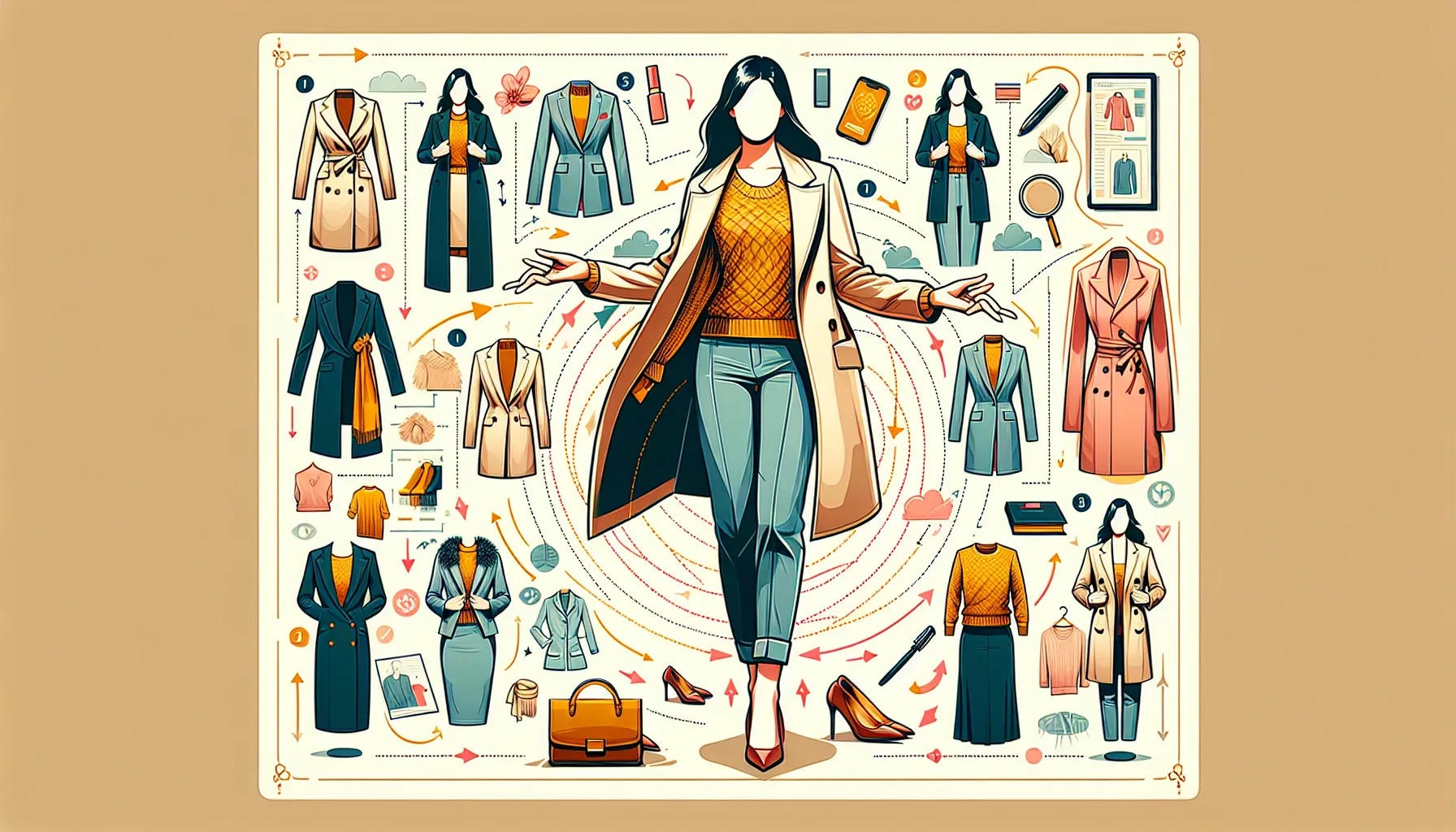
In conclusion, mastering the art of layering is essential for achieving a chic look that is both stylish and practical. Nowadays, the approach to layering has evolved, allowing individuals to express their personal style while adapting to varying weather conditions and occasions. By understanding how to mix and match different pieces, you can create outfits that are not only visually appealing but also functional.
One of the key insights to remember is that layering provides an opportunity to experiment with various textures, colors, and accessories. Currently, the trend leans towards incorporating diverse fabrics, from soft knits to structured outerwear, which can elevate your ensemble significantly. For example, pairing a chunky sweater with a sleek leather jacket not only adds depth but also creates a striking contrast that can turn heads. Accessories, such as scarves, hats, and statement jewelry, play a crucial role in pulling your look together, allowing you to add personal flair to your layered outfits.
At present, staying updated on emerging trends is vital for keeping your looks fresh and relevant. Fashion is an ever-evolving landscape, and being attuned to the latest styles can inspire new ways to layer your clothing. Resources like Vogue’s Fashion News offer insights into current trends and innovative ways to incorporate them into your wardrobe. Furthermore, platforms like Who What Wear provide actionable tips and styling advice that can enhance your layering game.
As we look towards the future of fashion, layering is likely to incorporate even more sustainable practices and technology-driven materials. With a growing emphasis on sustainability, expect to see an increase in the use of eco-friendly fabrics and versatile clothing that can be styled in multiple ways. This shift not only promotes conscious consumerism but also encourages creativity in how we approach our daily outfits.
In summary, layering is a powerful tool for creating chic looks that reflect your individuality while addressing practicality. By experimenting with textures and colors, staying informed on trends, and integrating sustainable choices, you can cultivate a stylish wardrobe that stands the test of time. So go ahead, embrace the art of layering, and elevate your fashion game to new heights!
Now is the perfect time to refine your layering skills. Start by exploring your closet and experimenting with different combinations. Remember, fashion is about fun and self-expression鈥攄on鈥檛 be afraid to take risks and showcase your unique style!
Frequently Asked Questions
What are the best fabrics for layering clothes?
The best fabrics for layering clothes include lightweight materials such as cotton, linen, and modal. These fabrics allow for breathability and comfort while preventing bulkiness. Additionally, wool and cashmere are excellent choices for warmth without adding too much weight. Look for fabrics that drape well, as they will layer more seamlessly. Avoid overly thick or rigid materials, as they can create an unflattering silhouette when layered.
How can I layer outfits without looking bulky?
To layer outfits without looking bulky, opt for fitted base layers that hug your body, such as thin turtlenecks or lightweight tanks. Choose pieces that are tailored and structured, like a blazer or a long cardigan, to add dimension without excess fabric. Mixing textures can also create visual interest without bulk. Lastly, sticking to a cohesive color palette helps maintain a streamlined appearance, making layering look intentional rather than cumbersome.
What are some chic layering techniques for work attire?
Chic layering techniques for work attire include pairing tailored blazers over blouses or fitted turtlenecks, which adds sophistication. Consider wearing a sleek dress layered with a lightweight cardigan or a structured vest for a polished look. Accessorizing with scarves can add both warmth and style, while statement belts can cinch the waist and create a flattering silhouette. Mixing patterns subtly, like stripes with solids, can also elevate your outfit without compromising professionalism.
Can I layer during all seasons?
Yes, you can layer during all season’s by adjusting the weight and type of fabrics used. In summer, opt for lightweight, breathable fabrics like cotton or linen. Transitioning to fall, incorporate long sleeves and light jackets. During winter, focus on thermal or knit layers, and add heavier coats. Spring allows for versatile layering with lightweight cardigans or light scarves. The key is to choose materials that suit the climate while maintaining comfort and style.
What are some tips for layering accessories?
When layering accessories, start with a statement piece, like a chunky necklace or oversized scarf, to anchor your look. Then, add delicate layers, such as thinner necklaces or bracelets, to create depth. Consider mixing textures, like leather with metal or fabric, to enhance visual interest. For colder months, opt for scarves, hats, and gloves that complement your outfit while providing warmth. Always balance the accessory layers to avoid overwhelming your overall appearance.
How do I choose the right layers for my body type?
Choosing the right layers for your body type involves understanding your proportions. If you have an hourglass figure, emphasize your waist with fitted layers, like tailored blazers. For a pear shape, layer with longer tops that draw attention upwards. If you’re athletic, opt for layers that add volume, such as flowy cardigans or oversized jackets. Always consider the length of your layers; longer pieces can elongate your silhouette, while shorter ones can highlight your best features.
What colors work best for layering clothes?
When layering clothes, it’s best to stick to a cohesive color palette that combines neutrals with a few accent colors. Neutral shades like black, white, gray, and beige provide a versatile base. Incorporate a couple of pop colors through accessories or one statement layer. Additionally, using similar shades of one color can create a monochromatic look that is chic and elongating. Patterns can be effective in layering, but ensure they complement rather than clash with your base colors.