
Fast Fashion vs Sustainable Fashion: A Comprehensive Comparison
Fast fashion vs sustainable fashion compared honestly: the actual environmental and labor differences, the price realities, and how to shop responsibly without burning out.

22 min read
What You Need to Know
Fast fashion is not cheap by accident. The low price reflects fiber choices (mostly polyester), fast supply chains, tight labor costs, and an expectation that the garment will not last long enough to be worn a hundred times. Sustainable fashion is not inherently virtuous either 鈥?“eco” language is easy to put on a hangtag. The honest comparison sits in the specifics: materials, production, wages, and the number of wears you actually get.
This article is a direct, fair comparison of fast fashion vs sustainable fashion. We cover the real environmental and labor differences, the price realities (and why a $180 garment can be cheaper per wear than a $20 one), how to read certifications that actually mean something (B Corp, Fair Trade, GOTS), and how to shop responsibly without turning your closet into a moral crisis. Practical, not preachy.
Understanding Fast Fashion
Definition and Characteristics
Fast fashion refers to a business model that prioritizes rapid production and low costs to deliver trendy clothing items to consumers quickly. This model, popularized by brands like Zara and H&M, relies on a constant churn of new styles that reflect current fashion trends. Key characteristics of fast fashion include:
- Speed: Fast fashion brands can design, manufacture, and distribute new clothing lines in as little as two weeks.
- Low Cost: By outsourcing production to countries with cheaper labor, brands can keep prices low, making fashion accessible to a broader audience.
- High Volume: The emphasis is on selling large quantities of low-priced items, often leading to impulsive consumer purchases.
- Disposable Nature: Fast fashion promotes a culture of disposability, where clothing is often worn only a few times before being discarded.
Recent data indicates that the fast fashion industry generates approximately $35 billion annually in the United States alone, highlighting its significant impact on consumer behavior and spending patterns.
Impact on the Fashion Industry
The fast fashion model has profound implications for both the environment and labor practices within the fashion industry.
Environmental Degradation: Fast fashion is a major contributor to environmental issues. The production processes require vast amounts of water, energy, and chemicals, leading to pollution and resource depletion. A report from the United Nations estimates that the fashion industry is responsible for 10% of global carbon emissions, making it one of the largest polluters in the world. Furthermore, it is estimated that 92 million tons of textile waste are produced annually, much of which ends up in landfills.
Labor Issues: The quest for low production costs often results in poor working conditions and exploitation of labor. Many fast fashion brands rely on factories in developing countries, where workers may face long hours, low wages, and unsafe working conditions. A 2021 study from the Harvard Business Review revealed that many workers in the fast fashion supply chain earn below the living wage, leading to severe economic hardship.
Consumer Culture: Fast fashion has shifted consumer behavior towards a more disposable mindset, encouraging frequent purchases and limited use of clothing. This culture not only contributes to waste but also fosters an unsustainable cycle of overconsumption.
Case Studies of Fast Fashion Brands
Zara: Known for its “just-in-time” production model, Zara can introduce new designs to stores within weeks. However, this speed comes at a cost, as the brand has been criticized for its environmental impact and labor practices. Reports indicate that Zara’s parent company, Inditex, has faced scrutiny for its supply chain transparency and sustainability measures.
H&M: As one of the largest fast fashion retailers, H&M has made headlines for its ambitious sustainability goals. Although the company has initiated programs aimed at reducing its environmental footprint, it still faces criticism regarding the actual effectiveness of these initiatives. A report by the Guardian highlighted concerns about H&M’s commitment to sustainability, revealing that only a fraction of its products are made from recycled materials.
Conclusion
The fast fashion industry continues to thrive, driven by consumer demand for affordable and trendy clothing. However, the environmental and social costs associated with this model raise critical questions about the sustainability of such practices. As awareness grows, many consumers are seeking to make more responsible fashion choices. Understanding the characteristics and impacts of fast fashion is essential for making informed decisions on how to shop responsibly.
For more insights into the implications of fast fashion, you can explore resources from Vogue and Bloomberg, which offer in-depth analyses of current trends and market dynamics in the fashion industry.
Exploring Sustainable Fashion
Definition and Principles
Sustainable fashion is often defined as the movement towards designing, producing, and consuming clothing in a way that minimizes the negative impact on the environment and promotes ethical labor practices. Unlike fast fashion, which is characterized by its quick turnaround times and disposable nature, sustainable fashion emphasizes longevity, quality, and ethical considerations.
The principles of sustainable fashion include:
- Ethical Production: Brands focus on fair labor practices, ensuring that workers are paid fairly and work in safe conditions. This contrasts starkly with the exploitative practices often seen in fast fashion supply chains.
- Eco-Friendly Materials: Sustainable fashion prioritizes the use of organic, recycled, or upcycled materials, reducing reliance on harmful chemicals and fossil fuels. Common materials include organic cotton, Tencel, and recycled polyester.
- Longevity: The design philosophy encourages creating timeless pieces that last, rather than fleeting trends. This approach not only satisfies aesthetic desires but also reduces waste.
- Transparency: Many sustainable fashion brands are open about their supply chains, providing consumers with insights into where and how their clothes are made.
Leading figures in sustainable fashion, such as Patagonia and Eileen Fisher, embody these principles. Patagonia, known for its commitment to environmental responsibility, even encourages customers to repair and reuse their products rather than purchasing new ones. Eileen Fisher focuses on creating timeless designs while utilizing organic and recycled materials, advocating for a circular economy.
Benefits of Sustainable Choices
Choosing sustainable fashion offers numerous benefits, both for the consumer and the environment. Here are some key advantages:
- Environmental Impact:
- Sustainable fashion significantly reduces waste. According to the Ellen MacArthur Foundation, the fashion industry produces over 92 million tons of waste annually. By opting for sustainable brands, consumers can help lower this figure.
- The use of eco-friendly materials reduces pollution and conserves natural resources. For instance, organic cotton uses 91% less water than conventional cotton (source: Textile Exchange).
- Support for Ethical Labor Practices:
- Purchasing from sustainable brands ensures that workers receive fair wages and work in safe conditions. This is crucial, as the fast fashion industry has been linked to labor exploitation in developing countries. By supporting ethical brands, consumers contribute to a fairer global economy.
- Longevity and Quality:
- Sustainable fashion often prioritizes quality over quantity, leading to garments that last longer. This not only saves money in the long run but also reduces the need for frequent replacements, further minimizing waste.
- Consumer Awareness and Responsibility:
- Engaging in sustainable shopping practices fosters a sense of responsibility among consumers. It encourages individuals to think critically about their purchases and the broader implications of their choices.
- Positive Impact on Brands:
- The shift towards sustainable fashion is influencing even mainstream brands to adopt more eco-friendly practices. As demand for sustainable options increases, companies are motivated to change their production methods, benefiting the environment on a larger scale.
Conclusion
The concept of sustainable fashion represents a significant shift in the fashion industry comparison, highlighting the stark differences between fast fashion versus sustainable practices. Brands like Patagonia and Eileen Fisher exemplify how ethical production and eco-friendly materials can lead to a more responsible and sustainable industry.
As consumers become more educated about their choices, they can make the best fashion choices by opting for sustainable options. By understanding how to shop responsibly, individuals can contribute to a healthier planet while enjoying quality clothing that stands the test of time.
For more insights on sustainable fashion, you can explore resources from Vogue and The Guardian that discuss current trends and initiatives in this vital area.
Current Trends in Fashion Choices
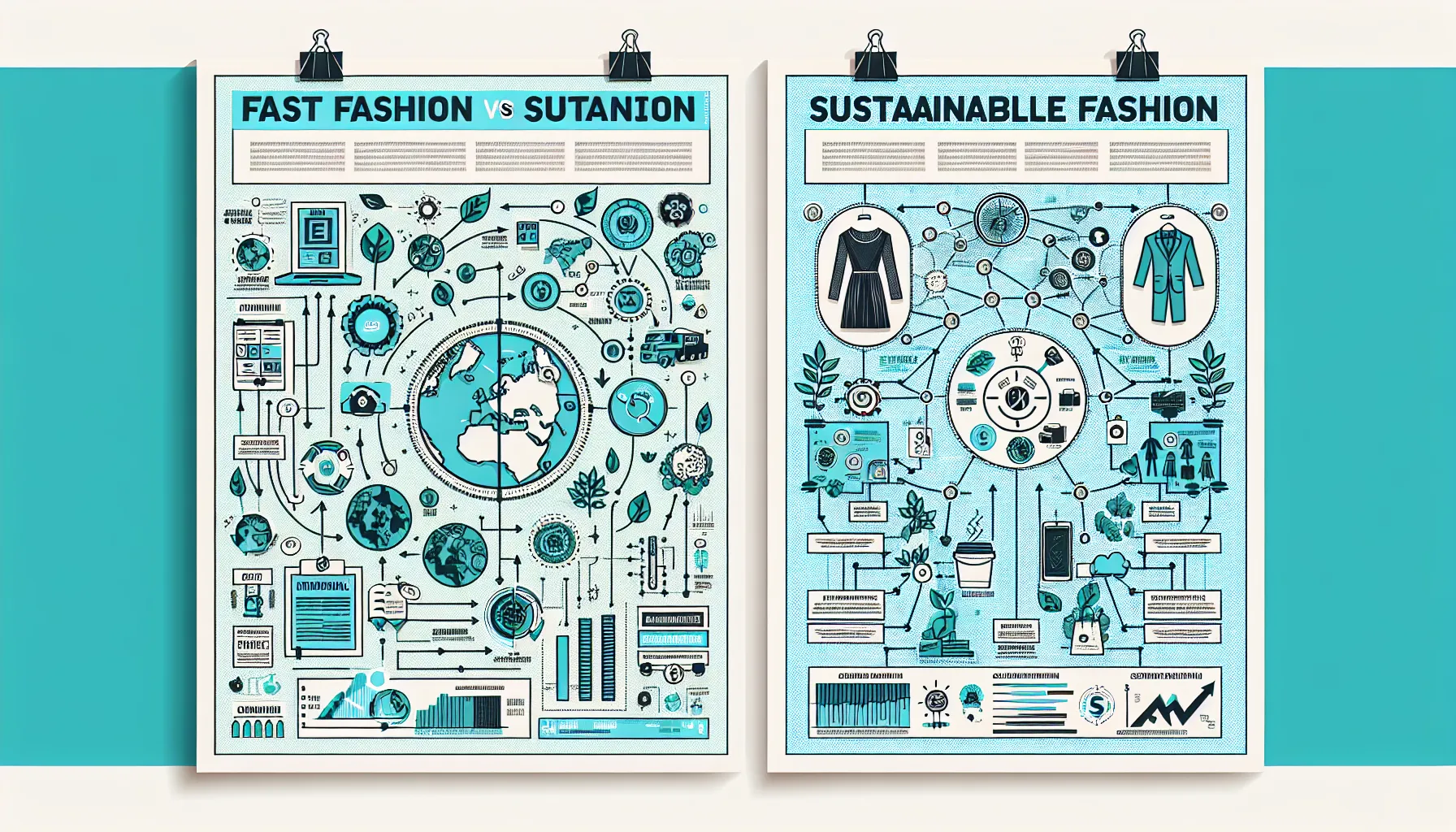
As awareness of climate change and environmental sustainability increases, consumers are reevaluating their fashion choices. The fashion industry comparison of fast fashion vs sustainable fashion highlights a significant shift in consumer behavior, influenced by a growing understanding of the implications of their purchasing habits.
Consumer Awareness
Recent surveys reveal that consumers are now more informed about the environmental impact of the fashion industry than ever before. According to a report by McKinsey & Company, 66% of global consumers express a willingness to pay more for sustainable brands. This statistic emphasizes the growing demand for transparency from brands regarding their production processes and materials.
Notable points regarding consumer awareness include:
- Environmental Impact: Many consumers now recognize that the fast fashion model contributes significantly to pollution and waste, with the industry reportedly being responsible for 10% of global carbon emissions.
- Ethical Concerns: The fashion industry’s labor practices are also under scrutiny, driving consumers to seek brands that prioritize fair wages and safe working conditions.
- Sustainable Practices: Brands that adopt eco-friendly practices, such as the use of organic materials and closed-loop production systems, are increasingly favored by consumers.
This heightened awareness is prompting many individuals to seek the best fashion choices that align with their values. Brands that successfully communicate their sustainability efforts often see a boost in customer loyalty.
Shifts in Buying Behavior
The shift in buying behavior is evident across various demographics, particularly among younger consumers. A report from Deloitte indicates that Gen Z shoppers are more likely to engage in second-hand shopping and clothing swaps, viewing these practices as both trendy and responsible.
Key trends in buying behavior include:
- Second-Hand Shopping: Platforms like ThredUp and Poshmark have gained immense popularity. In fact, the second-hand market is projected to reach $64 billion by 2024, as consumers increasingly turn to pre-owned clothing as a sustainable alternative to fast fashion.
- Clothing Swaps: Community-driven initiatives, such as clothing swap events, are becoming popular. These events not only promote sustainable practices but also foster community engagement and creativity in fashion choices.
- Direct Engagement with Brands: Consumers are using social media to engage directly with brands about their sustainability practices. Platforms like Instagram and TikTok serve as forums for discussions surrounding transparency and ethical sourcing.
To illustrate these shifts, consider the following data:
| Trend | Statistic |
|---|---|
| Second-Hand Market | Expected to reach $64 billion by 2024 |
| Gen Z Sustainability | 73% prefer brands with sustainable practices |
| Transparency Demand | 81% of consumers want brands to disclose their sourcing practices |
In summary, the current trends in fashion choices reveal a significant shift towards sustainability in the fashion industry. As consumers become more aware of their environmental impact, they are increasingly demanding transparency and opting for better fashion choices. The rise of second-hand shopping and clothing swaps illustrates this change, highlighting the importance of responsible shopping practices in today鈥檚 fashion landscape.
For further insights into the growing trend of sustainable fashion, visit Vogue’s coverage on sustainable fashion and Bloomberg’s analysis on consumer behavior. Additionally, you can explore the impact of second-hand shopping on sustainability through ThredUp’s annual resale report.
Fashion Industry Comparison: Fast vs Sustainable
The fashion industry is undergoing a significant transformation as consumers increasingly weigh their choices between fast fashion and sustainable fashion. This comparison not only encompasses economic impacts but also explores the environmental footprint of each sector. Understanding these differences is essential for making the best fashion choices and learning how to shop responsibly.
Economic Impacts
Fast fashion brands, such as Zara and H&M, thrive on the principle of rapid turnover, producing new collections in response to the latest trends at an astonishing pace. This model generates rapid profits, with fast fashion companies reporting revenue growth of over 20% annually in some markets. For instance, H&M’s sales reached approximately $23 billion in 2022, showcasing the profitability of this model in a fiercely competitive landscape.
However, the economic success of fast fashion comes at a substantial cost. The rapid production and disposal of clothing not only lead to significant waste but also perpetuate exploitative labor practices in developing countries. A report from the International Labour Organization reveals that over 60 million workers in the global garment industry earn less than $3 per day, highlighting the ethical concerns surrounding fast fashion.
In contrast, sustainable fashion brands, like Patagonia and Eileen Fisher, often face higher upfront costs due to ethical sourcing, sustainable materials, and fair labor practices. However, these brands tend to cultivate strong customer loyalty. According to a study by the Global Fashion Agenda, sustainable brands retain 70% of their customers over time, compared to only 30% retention for fast fashion brands. This loyalty translates into long-term economic benefits, as consumers increasingly prioritize ethical considerations in their purchasing decisions.
Environmental Footprint
The environmental impact of fast fashion is staggering. The fashion industry accounts for approximately 10% of global carbon emissions, a statistic reported by the United Nations. This sector is also responsible for significant water pollution and waste generation. The Ellen MacArthur Foundation notes that a single pair of jeans can require up to 7,500 liters of water to produce, and 92 million tons of textile waste is generated annually, much of which ends up in landfills.
Sustainable fashion, on the other hand, focuses on reducing environmental harm. Brands adopting sustainable practices prioritize eco-friendly materials, such as organic cotton and recycled fabrics, which significantly decrease their environmental footprint. For example, Levi Strauss & Co. has committed to using 100% sustainably sourced cotton by 2025, demonstrating a commitment to reducing their environmental impact.
To illustrate the differences between the two models, consider the following table comparing key metrics:
| Metric | Fast Fashion | Sustainable Fashion |
|---|---|---|
| Average Cost of Production | Low | Higher |
| Carbon Emissions | 10% of global emissions | Significantly lower |
| Water Usage | Up to 7,500 liters per pair | Drastically reduced |
| Waste Generated | 92 million tons annually | Focus on recyclability |
Moreover, sustainable fashion brands are increasingly recognized for their innovation and quality. Research from Vogue Business shows that sustainable brands are more likely to implement circular economy practices, such as recycling and upcycling, which not only mitigate waste but also appeal to environmentally conscious consumers.
Conclusion
In conclusion, the fashion industry comparison between fast fashion and sustainable fashion reveals stark contrasts in economic impacts and environmental footprints. Fast fashion generates rapid profits but poses severe ethical and environmental challenges. In contrast, sustainable fashion may have higher upfront costs but fosters long-term benefits through customer loyalty and reduced environmental harm. As consumers become more informed about the implications of their purchasing decisions, the demand for sustainable options is likely to continue growing.
For those interested in making responsible fashion choices, it is crucial to consider the broader implications of their purchases. By supporting sustainable brands, consumers can contribute to a more ethical and environmentally friendly fashion industry. The shift toward sustainability is not just a trend; it is essential for the future of the fashion industry.
For further insights on the economic impacts of fast fashion, visit Bloomberg and explore the environmental concerns at The Guardian. For a deeper understanding of consumer behavior in sustainable fashion, check out the latest findings from McKinsey & Company.
How to Shop Responsibly
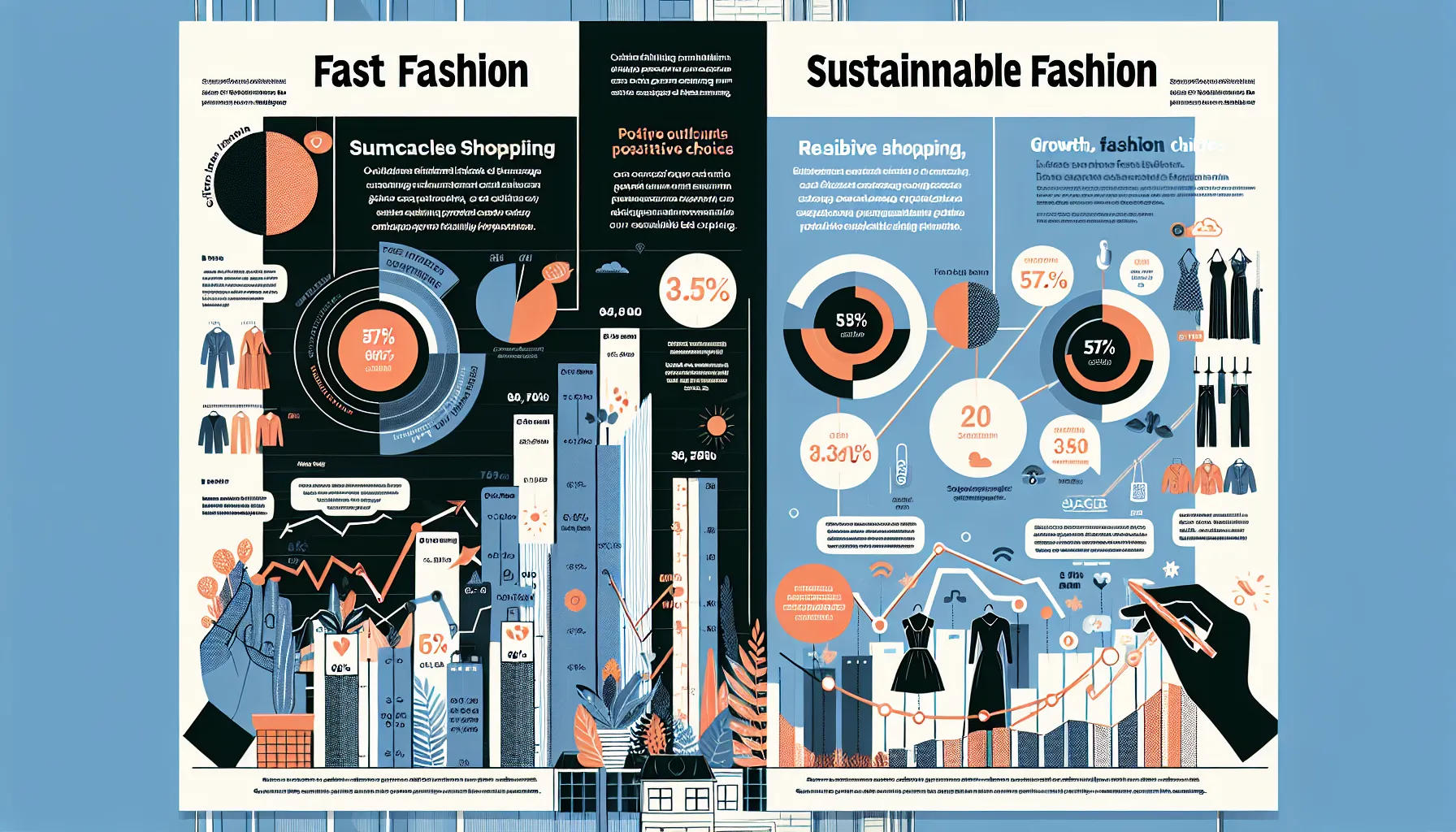
As awareness grows about the environmental and social impacts of the fashion industry, consumers are increasingly seeking ways to make responsible purchasing decisions. The ongoing debate of fast fashion vs sustainable fashion highlights the importance of understanding brand practices and making informed choices. This section will guide you through evaluating brands and making responsible choices to support sustainability within the fashion industry.
Evaluating Brands
When shopping for clothing, it is essential to evaluate the brands you are considering. Here are some strategies to help you assess their sustainability practices:
Look for Certifications: Many brands are certified by organizations that verify their ethical and environmental practices. Some of the most recognized certifications include:
Global Organic Textile Standard (GOTS)
Fair Trade Certified
OEKO-TEX Standard 100
B Corporation Certification
Research Brand Practices: Explore the brand’s website and look for sections that detail their sustainability initiatives. Brands committed to sustainable practices often highlight their efforts in reducing waste, sourcing materials responsibly, and ensuring fair labor practices.
Utilize Apps: Various apps can help consumers evaluate brands based on their sustainability practices. For instance:
Good On You: This app rates brands on their ethical practices, offering insights into their labor conditions, environmental impact, and animal welfare.
Buycott: This app allows users to scan product barcodes and learn about the brand’s history and values, enabling informed purchasing decisions.
Consumer Reviews and Ratings: Platforms like Trustpilot and social media can provide insights into customer experiences regarding a brand’s sustainability claims.
Making Informed Choices
Once you have evaluated brands, making informed choices becomes crucial in supporting sustainable fashion. Here are some tips:
Choose Quality Over Quantity: Fast fashion often promotes a buy-more mentality, leading to overconsumption and waste. Opting for fewer, high-quality pieces that last longer supports sustainability. According to a study by McKinsey & Company, clothing consumption per capita increased by 60% from 2000 to 2014, contributing significantly to environmental degradation.
Invest in Timeless Pieces: Consider purchasing classic styles that can be worn across multiple season’s and occasions. This not only reduces waste but also ensures that your wardrobe remains relevant over time.
Second-Hand Shopping: Thrift stores, consignment shops, and online platforms like Depop and Poshmark offer second-hand clothing options. This practice not only extends the lifecycle of garments but also helps reduce landfill waste. A report by ThredUp states that shopping used clothing can reduce carbon footprints by up to 82% compared to buying new.
Support Local and Ethical Brands: Seek out local designers and brands that prioritize ethical and sustainable practices. Supporting these businesses can help reduce the carbon footprint associated with shipping and production.
Be Mindful of Trends: Fast fashion thrives on rapidly changing trends. By being more selective about which trends you adopt, you can avoid unnecessary purchases and contribute to a more sustainable approach to fashion.
Conclusion
As the fashion industry continues to evolve, the responsibility to shop sustainably lies with consumers. Understanding fast fashion vs sustainable fashion is key to making the best fashion choices for both personal style and the planet. By evaluating brands and making informed choices, you can play a significant role in promoting a more ethical and sustainable fashion industry.
For more insights on shopping responsibly, consider checking out these resources:
- The Guardian on Sustainable Fashion
- Vogue’s Guide to Choosing Ethical Brands
- Recent findings from Bloomberg on Consumer Trends in Fashion
By empowering yourself with knowledge and tools, you can contribute to a more sustainable future in fashion.
Key Takeaways
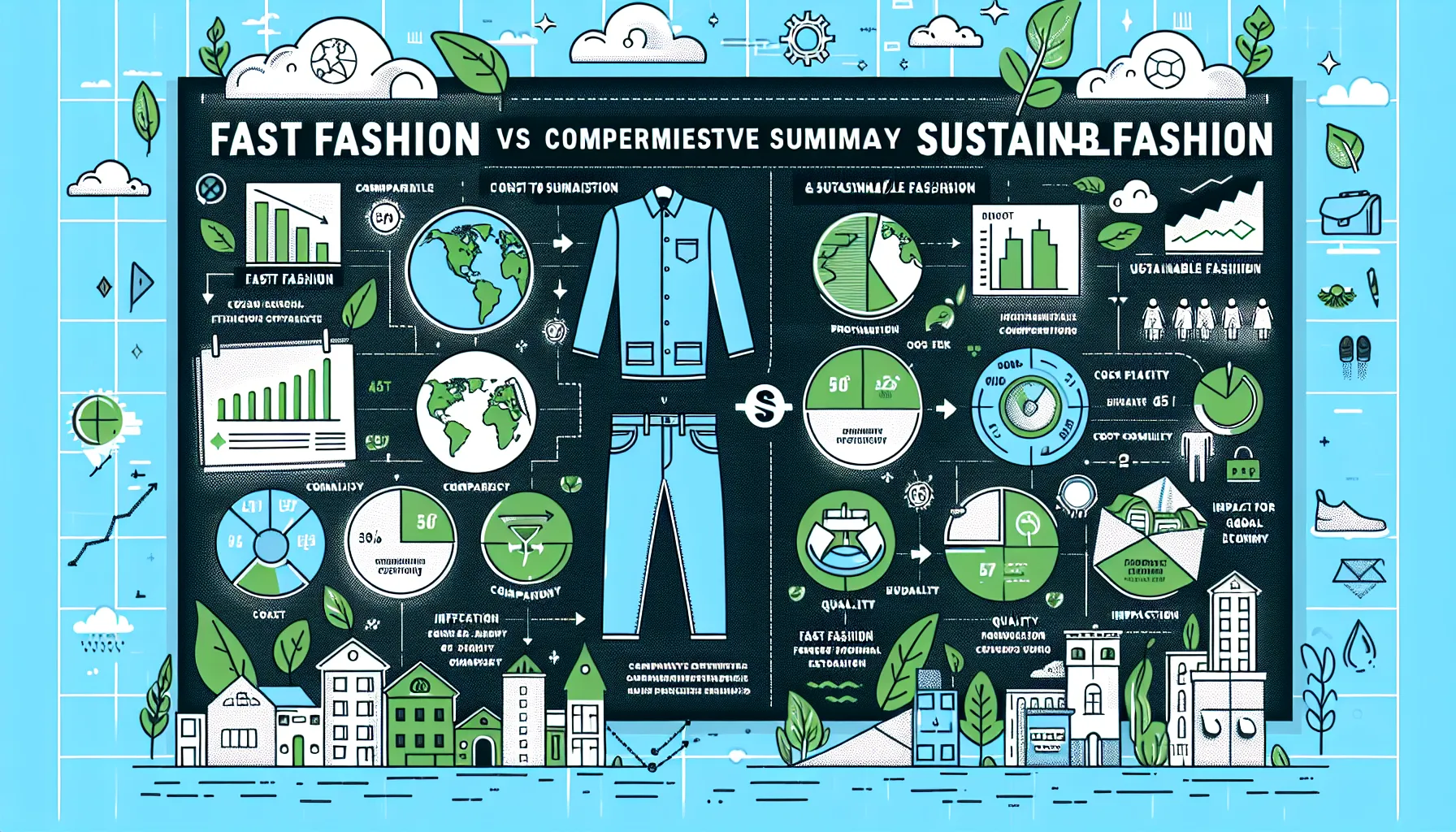
As we evaluate the contrasting worlds of fast fashion and sustainable fashion, it becomes increasingly clear that the choices we make today carry significant implications for our planet and society. Fast fashion poses substantial challenges, contributing to environmental degradation and societal issues such as labor exploitation. The rapid cycle of production and consumption leads to immense waste and pollution, leaving a heavy footprint on our ecosystems. In contrast, sustainable fashion emerges as a viable alternative for conscious consumers who are increasingly aware of the consequences of their shopping habits.
Currently, more brands are adopting sustainable practices, from using eco-friendly materials to ensuring ethical labor conditions. This shift indicates a growing recognition of the impact of fashion on our environment and communities. Consumers can now find a variety of brands committed to sustainability, making it easier than ever to make informed choices. However, awareness alone is insufficient; action is required. By choosing sustainable options, consumers can drive demand for responsible practices and influence the market landscape.
Nowadays, emerging trends suggest a promising pivot towards more responsible shopping habits. Circular fashion, which focuses on reusing and recycling materials, is gaining traction. More consumers are participating in clothing swaps and utilizing resale platforms, which not only reduce waste but also promote a more sustainable approach to fashion consumption. Moreover, advancements in technology are enabling greater transparency in supply chains, allowing consumers to make better-informed decisions regarding the brands they support.
Looking ahead, the future of fashion seems poised for transformation. As the industry grapples with the repercussions of fast fashion, the movement towards sustainable alternatives is likely to strengthen. According to McKinsey & Company’s Fashion Report, the trend towards sustainable fashion will continue to grow as consumers demand greater accountability from brands. The integration of innovative materials and production methods will further enhance the sustainability of the fashion industry.
For individuals passionate about making a difference, it is essential to embrace sustainable fashion choices now. Consider investing in quality over quantity, supporting brands that prioritize ethical practices, and exploring second-hand shopping options. These actions not only contribute to a more sustainable future but also foster a sense of community among like-minded consumers.
In conclusion, the stark differences between fast fashion and sustainable fashion underscore the importance of informed consumerism. As we move forward, let us champion sustainability by making conscious choices that reflect our values. Together, we can reshape the fashion industry into one that respects both people and the planet. For further insights and resources on sustainable living, check out Sustainable Fashion Forum and Fashion Revolution.
Frequently Asked Questions
What is the main difference between fast fashion and sustainable fashion?
The main difference lies in their production processes and impact on the environment. Fast fashion focuses on rapid production of cheap clothing to meet current trends, often resulting in poor quality and excessive waste. In contrast, sustainable fashion emphasizes ethical practices, eco-friendly materials, and long-lasting quality. Sustainable brands aim to minimize their environmental footprint and promote fair labor conditions, making conscious choices that benefit both consumers and the planet.
How can I identify sustainable fashion brands?
To identify sustainable fashion brands, look for certifications such as GOTS (Global Organic Textile Standard), Fair Trade, or B Corp. Research the brand’s sourcing practices and transparency regarding their supply chain. Sustainable brands often emphasize eco-friendly materials, ethical labor practices, and offer a transparent overview of their production processes. Additionally, consider brands that advocate for slow fashion principles and prioritize quality over quantity, making clothes that last longer.
What are the long-term benefits of choosing sustainable fashion?
Choosing sustainable fashion offers numerous long-term benefits. It promotes environmental conservation by reducing waste, pollution, and the depletion of resources. Investing in quality garments from sustainable brands often means they last longer, ultimately saving money over time. Additionally, sustainable fashion supports ethical labor practices, ensuring fair wages and safe working conditions for workers. By opting for sustainable options, consumers contribute to a more responsible fashion industry and help combat climate change.
How does fast fashion impact the environment?
Fast fashion significantly impacts the environment through overproduction, excessive waste, and pollution. The rapid cycle of creating cheap clothing leads to millions of garments ending up in landfills each year. Additionally, the production processes often involve harmful dyes and chemicals that contaminate water sources. Fast fashion also contributes to high carbon emissions due to transportation and energy-intensive manufacturing practices. Thus, it poses serious challenges to environmental sustainability and resource conservation.
What is the concept of ‘slow fashion’?
Slow fashion is a movement that advocates for a more thoughtful approach to clothing production and consumption. It focuses on creating timeless, high-quality garments that are designed to last, rather than following fleeting trends. Slow fashion encourages consumers to invest in fewer pieces, promoting mindful shopping and sustainability. This concept emphasizes ethical production practices, environmental responsibility, and supporting local artisans, ultimately fostering a more sustainable and conscious fashion industry.
Are there affordable sustainable fashion options?
Yes, there are affordable sustainable fashion options available. Many brands are now offering eco-friendly collections at various price points, making sustainable clothing accessible to a broader audience. Look for second-hand shops, thrift stores, or online platforms specializing in pre-owned clothing to find budget-friendly sustainable pieces. Additionally, some sustainable brands offer seasonal sales or discounts, allowing you to invest in quality garments without breaking the bank while still supporting ethical practices.
How can I make my wardrobe more sustainable?
To make your wardrobe more sustainable, start by decluttering and donating or recycling items you no longer wear. Invest in high-quality, timeless pieces from sustainable brands that emphasize ethics and eco-friendliness. Consider adopting a capsule wardrobe approach, where you curate a selection of versatile clothes that can be mixed and matched. Additionally, prioritize second-hand shopping and clothing swaps with friends to extend the life of garments and reduce waste, aligning your fashion choices with sustainable practices.