
Fashion Trends Inspired by Global Cultures: A Contemporary Overview
How global cultures inspire contemporary fashion 鈥?a grounded look at borrowing done well, the line between influence and appropriation, and the designers doing it thoughtfully.

23 min read
Overview
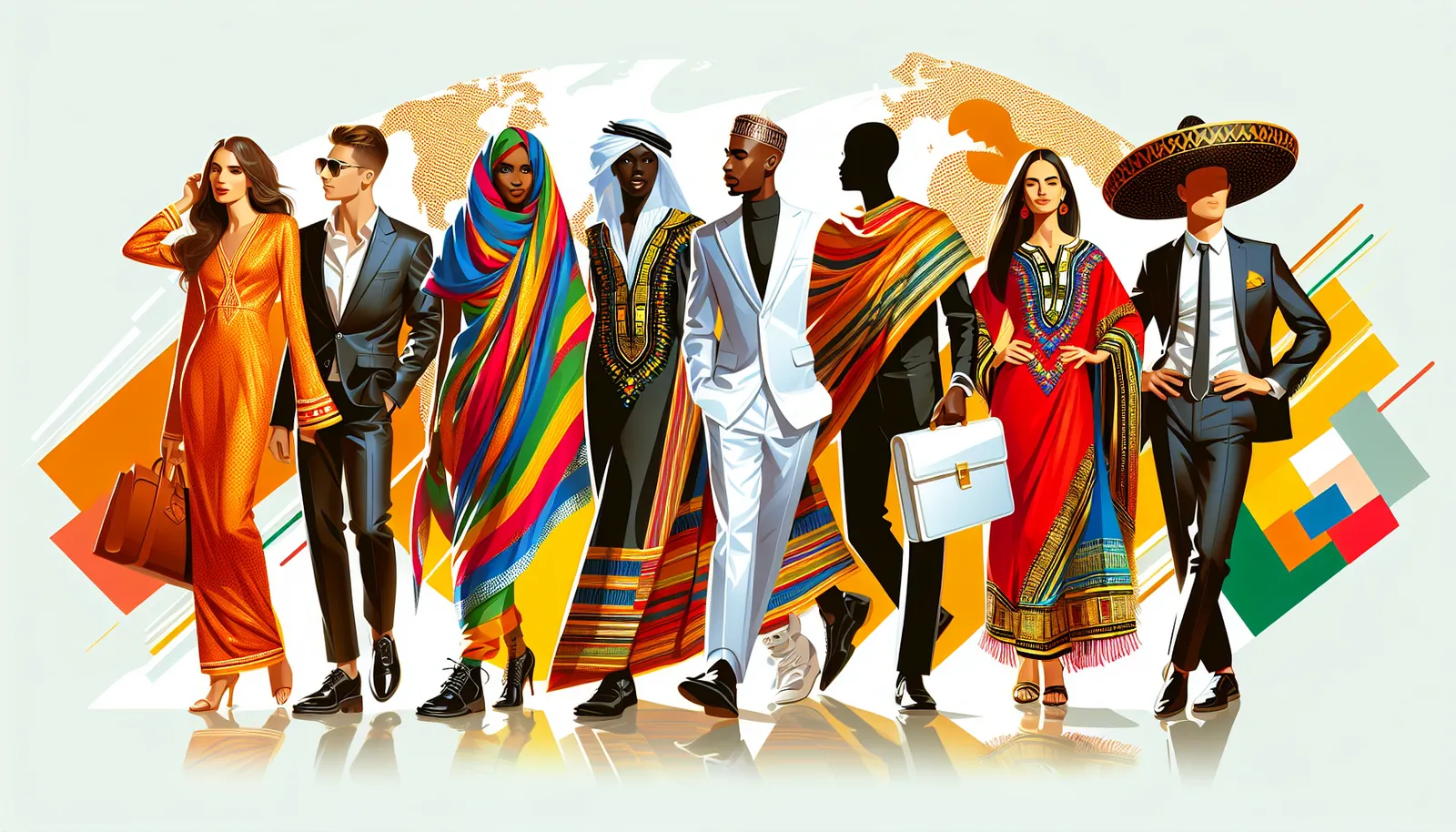
Every major fashion season borrows from a specific region or tradition 鈥?Moroccan kaftans, Japanese boro patchwork, West African prints, Andean knits, South Asian embroidery. Done well, the result honors the source, credits the artisans, and adapts the motif thoughtfully. Done poorly, it flattens a tradition into “aesthetic” and removes the people who built it. Knowing the difference matters if you buy, wear, or write about this kind of fashion.
This article is a contemporary overview of global culture fashion trends: where current trends are drawing inspiration, how designers are collaborating (or failing to collaborate) with artisans and cultural communities, and how to recognize pieces that are genuinely cross-cultural exchanges versus ones that are lifted without context. Expect specifics and a clear-eyed view on what appreciation looks like in practice.
The Intersection of Culture and Fashion
Fashion is an ever-evolving narrative, deeply intertwined with the cultural fabric of societies around the world. The manifestations of global culture fashion trends can be seen in contemporary collections, where cultural heritage shapes and informs the narratives of designers. Understanding how culture influences fashion not only enlightens us about the clothing we wear but also highlights the significance of cultural exchange in the fashion industry.
Historical Influence
Throughout history, fashion has been a reflection of societal values, beliefs, and cultural shifts. The incorporation of traditional motifs and artisan techniques into modern fashion is not a new phenomenon; rather, it has roots in centuries-old practices. The following points illustrate this historical influence:
Cultural Significance: Traditional garments often carry profound meanings, representing identity, status, and community. For instance, the kimono in Japan is not just clothing but a symbol of cultural identity and heritage.
Colonial Impact: The colonial era saw significant cultural exchanges, albeit often exploitative. As Western designers appropriated elements from various cultures, they inadvertently shaped fashion narratives, leading to a blend of influences that still resonate today.
Revival Movements: The resurgence of interest in indigenous and traditional attire has gained momentum in recent years. Many designers are now seeking to incorporate historical elements into their collections, paying homage to their roots while appealing to modern sensibilities.
A prime example of this is the use of African prints in high fashion collections. Notably, designers like Stella Jean and Kenneth Ize have brought traditional African textiles to the forefront of global fashion, showcasing vibrant patterns and techniques that celebrate African heritage.
Modern Interpretation
In today’s fashion landscape, there is a growing recognition of the need for inclusivity and respect when drawing inspiration from global cultures. The modern interpretation of cultural styles must be approached with sensitivity and appreciation. Here are some key aspects:
Sustainable Practices: Many contemporary designers are prioritizing sustainable and ethical practices when sourcing materials and labor from different cultures. This shift aligns with consumers’ increasing demand for transparency and accountability in the fashion industry.
Cultural Collaborations: Collaborations between fashion brands and cultural artisans are on the rise. These partnerships not only preserve traditional techniques but also provide economic opportunities for local communities. For example, the collaboration between luxury brand Dior and artisans from various regions has resulted in collections that honor cultural craftsmanship while retaining a modern flair.
Social Media Influence: Platforms like Instagram and TikTok have democratized fashion, allowing cultural styles to trend globally. The virality of certain cultural aesthetics has led to a broader acceptance and appreciation of diverse fashion expressions. Recent data from Vogue indicates that social media has played a pivotal role in popularizing styles inspired by global cultures, with hashtags like #CulturalFashion garnering millions of views.
To further illustrate these modern interpretations, consider the following table showcasing trending cultural styles and their influences:
| Cultural Style | Description | Notable Designers |
|---|---|---|
| African Prints | Bold, colorful fabrics inspired by traditional African motifs | Stella Jean, Kenneth Ize |
| Japanese Kimono | Elegant, flowing garments often worn on special occasions | Issey Miyake, Junya Watanabe |
| Indian Sarees | Traditional draped garments that celebrate intricate craftsmanship | Sabyasachi Mukherjee, Anita Dongre |
| Mexican Huipil | Handwoven blouses featuring vibrant colors and patterns | Carla Fern谩ndez, Pineda Covalin |
Conclusion
In summary, the intersection of culture and fashion is rich and complex, offering a plethora of insights into how global culture fashion trends evolve. Historical influences coupled with modern interpretations pave the way for an inclusive and respectful approach to fashion. As designers continue to draw inspiration from diverse cultures, the industry moves towards a future that honors heritage while embracing innovation.
For further exploration of how cultural influences shape modern fashion, check out The Guardian’s coverage on cultural appropriation in fashion and Bloomberg’s analysis on the sustainability trends in the fashion industry.
Trending Cultural Styles
As the world becomes more interconnected, fashion increasingly reflects a tapestry of global culture fashion trends. Designers draw inspiration from diverse traditions, leading to a rich fusion of styles that resonate with modern audiences. In this section, we will explore two prominent trending cultural styles: Bohemian aesthetics and Streetwear influences.
Bohemian Aesthetics
Bohemian styles celebrate global craftsmanship, often incorporating elements from various cultures. This fashion movement embraces a free-spirited lifestyle and values artistic expression. The Bohemian aesthetic is characterized by:
- Natural Fabrics: Materials like cotton, linen, and silk are often used, promoting sustainability.
- Eclectic Patterns: Prints inspired by ethnic textiles, such as tie-dye, paisley, and floral motifs, are prevalent.
- Layering: Bohemian outfits typically involve layering garments, creating a relaxed and effortless look.
Recent market research indicates that the Bohemian fashion segment is gaining significant traction among consumers. According to Grand View Research, the global bohemian fashion market is expected to grow at a compound annual growth rate (CAGR) of 8.7% from 2021 to 2028. This growth is attributed to an increasing consumer preference for unique, artisanal pieces that tell a story.
Notable designers like Etro and Free People have successfully integrated Bohemian aesthetics into their collections. Their designs often feature intricate embroidery and handcrafted details that pay homage to traditional crafts from various cultures. For instance, Etro’s Spring/Summer 2023 collection showcased vibrant patterns reminiscent of Indian textiles, highlighting the influence of global craftsmanship.
Streetwear Influences
Streetwear has rapidly evolved from a niche market into a dominant force in global fashion. Initially rooted in urban culture, it now incorporates elements from various cultures, reflecting the diversity of its wearers. Key characteristics of Streetwear include:
- Graphic Tees and Hoodies: Often adorned with bold prints, logos, and cultural references.
- Sneaker Culture: Footwear plays a crucial role, with limited-edition releases driving demand and exclusivity.
- Caps and Accessories: Items like bucket hats and crossbody bags are popular, often featuring cultural symbols or motifs.
Japanese street fashion, particularly styles originating from Harajuku, has significantly influenced Western designers in recent years. Brands like Off-White and Supreme have incorporated Japanese aesthetics into their collections, blending high fashion with street culture. For example, Off-White’s collaboration with Japanese designer Takashi Murakami showcased a vibrant mix of streetwear and traditional Japanese art, demonstrating how culture influences fashion on a global scale.
A recent report by Business of Fashion indicates that the global streetwear market is projected to reach USD 185 billion by 2027, reflecting a growing consumer interest in casual, stylish clothing that embodies cultural identities. This trend is particularly popular among younger consumers, with brands actively engaging with diverse communities to create inclusive collections.
Conclusion
The intertwining of global culture fashion trends with Bohemian aesthetics and Streetwear influences illustrates the dynamic nature of contemporary fashion. As designers continue to draw inspiration from various cultures, we witness a celebration of diversity that resonates with consumers seeking authenticity in their style choices. The emphasis on craftsmanship and cultural representation not only enriches the fashion landscape but also fosters a deeper understanding and appreciation of the world鈥檚 many cultures.
In summary, the current landscape of fashion is profoundly influenced by global cultural styles, resonating with an audience eager for unique expressions of identity. As trends evolve, the blending of traditional and modern elements will continue to shape the way we perceive and engage with fashion.
For further insights into the impact of cultural influences on contemporary fashion, you can explore Vogue’s coverage on the latest trends and The Guardian’s analysis of the evolving fashion landscape.
Sustainable Fashion and Cultural Preservation
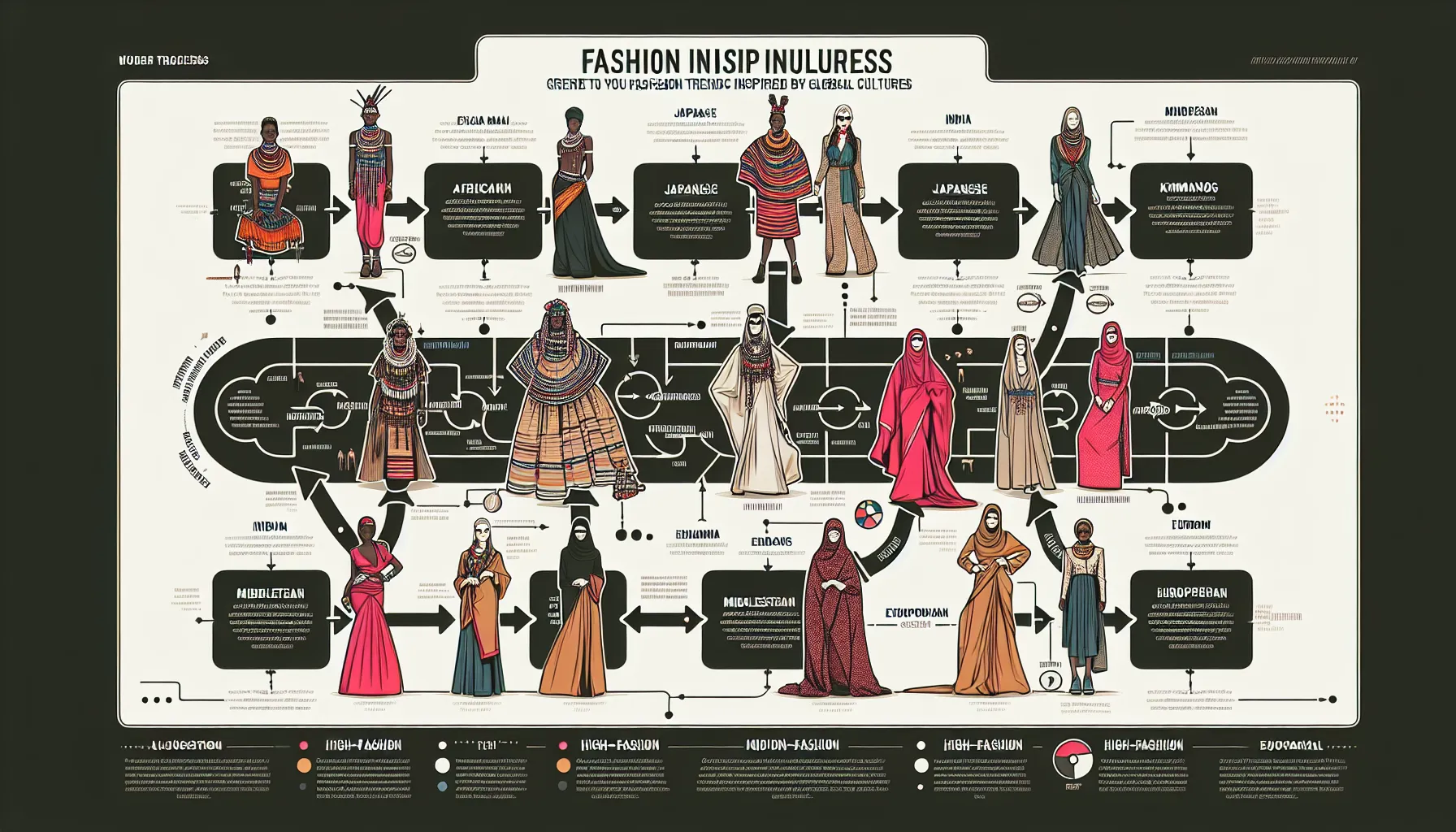
As the global fashion industry evolves, there is a growing awareness of the impact of fashion trends inspired by global cultures. This awareness has led to a significant shift towards sustainable fashion practices that not only respect the environment but also honor cultural heritage. Two key concepts in this movement are ethical sourcing and cultural artisanship, which together create a framework for preserving cultural identity while promoting responsible consumption.
Ethical Sourcing
Ethical sourcing in fashion refers to the process of ensuring that products are made with respect for people and the environment. This approach has gained traction, with 66% of consumers willing to pay more for sustainable brands, according to a report by Nielsen. Ethical sourcing is not just about using environmentally friendly materials; it also involves ensuring fair wages and safe working conditions for artisans and workers.
- Consumer Demand: Recent data shows that 73% of millennials are willing to pay extra for sustainable offerings, emphasizing a shift in consumer priorities towards brands that demonstrate a commitment to ethical practices.
- Transparency: Brands are increasingly transparent about their supply chains, showcasing the artisans and communities involved in creating their products. This transparency builds trust and encourages consumers to make informed choices.
One notable example of ethical sourcing is the collaboration between the fashion brand Stella McCartney and indigenous artisans in Peru. By partnering with local communities, McCartney not only provides fair wages but also supports the preservation of traditional weaving techniques that have been passed down through generations. This initiative not only empowers artisans but also allows consumers to purchase unique pieces that represent rich cultural narratives.
Cultural Artisanship
Cultural artisanship refers to the traditional skills and crafts that are unique to specific cultures. The resurgence of interest in artisanal techniques has led to a renewed focus on the value of cultural craftsmanship in fashion. Supporting local crafts enhances cultural integrity and provides a platform for artisans to share their heritage with a broader audience.
- Empowerment through Craft: Artisans often face challenges such as globalization and mass production, which threaten their livelihoods. By supporting cultural artisanship, brands can foster economic independence and cultural pride among these communities.
- Artisan Collaborations: Successful collaborations between designers and indigenous artisans have become a hallmark of sustainable fashion. For instance, the partnership between the luxury brand Herm猫s and the artisans of the Maasai tribe in Kenya has resulted in exquisite leather goods that reflect both the brand’s luxury ethos and the cultural significance of Maasai artistry.
Recent statistics reveal that the global market for handmade goods is projected to reach $1 trillion by 2024, highlighting the increasing consumer preference for products that tell a story and are rooted in cultural significance. This trend aligns with the broader global culture fashion trends that prioritize authenticity and craftsmanship.
Case Studies and Examples
Several brands have emerged as leaders in the sustainable fashion movement, actively engaging with cultural artisans to create collections that reflect global influences while promoting ethical practices.
Etnies: This footwear brand has collaborated with local artisans in various countries, creating shoes that feature traditional designs and materials while ensuring fair wages and sustainable practices.
Mara Hoffman: Known for her commitment to sustainability, Mara Hoffman has partnered with artisans in Guatemala to produce vibrant textiles that celebrate the country鈥檚 rich weaving traditions, providing economic opportunities for local communities.
Boden: This UK-based brand has launched a collection that incorporates traditional Indian block printing techniques, working directly with artisans to ensure their skills are preserved and valued in the global market.
These examples demonstrate how culture influences fashion, leading to innovative designs that respect and celebrate cultural heritage while appealing to conscious consumers.
Conclusion
In conclusion, the intersection of sustainable fashion and cultural preservation is becoming increasingly significant in the global fashion landscape. By prioritizing ethical sourcing and supporting cultural artisanship, brands can play a crucial role in maintaining cultural integrity while addressing the environmental challenges posed by the fashion industry. As consumers become more aware of the impact of their purchasing decisions, the demand for fashion inspiration from cultures that uphold sustainability will continue to grow.
For further insights, consider exploring Vogue鈥檚 coverage on sustainable fashion and the Guardian’s articles on ethical sourcing practices. The ongoing dialogue surrounding these trends is essential for fostering a fashion industry that respects both people and the planet.
Digital Influence on Cultural Fashion Trends
The digital landscape has transformed the way global culture fashion trends are perceived and embraced. Social media platforms and innovative digital formats, such as virtual fashion shows, play a pivotal role in amplifying cultural fashion visibility and promoting diverse styles from around the world. This section explores the significant impact of these digital influences on how culture influences fashion and provides insights into trending cultural styles.
Social Media Impact
Social media platforms, particularly Instagram, TikTok, and Pinterest, have revolutionized the way fashion is marketed and consumed. These platforms allow for the immediate sharing of cultural fashion trends, enabling users to discover and adopt styles from various global cultures. The power of influencers cannot be overstated in this context, as they often serve as trendsetters who introduce their followers to ethnic styles and traditional garments.
- Visibility of Cultural Fashion: Social media has democratized access to fashion. Influencers from various backgrounds showcase their cultural attire, such as Indian sarees, Japanese kimonos, or African dashikis, allowing for greater appreciation of these garments.
- Engagement Metrics: According to a report from Vogue, posts featuring traditional cultural attire have seen engagement rates that are 30% higher than generic fashion posts, underscoring the growing interest in cultural fashion.
For example, influencers like Diipa Buller-Khosla have gained traction by sharing their love for Indian sarees on platforms like Instagram. Her posts not only display the beauty of the saree but also educate followers on its significance, weaving stories about cultural heritage into her fashion narrative. This blend of storytelling and visual presentation elevates cultural fashion beyond mere aesthetics, creating a deeper connection with the audience.
Virtual Fashion Shows
The emergence of virtual fashion shows has further expanded the horizon for showcasing trending cultural styles. These digital events break geographical barriers, allowing designers from diverse cultural backgrounds to present their collections to a global audience.
- Global Accessibility: Virtual shows make fashion more accessible, reaching audiences who may not have the means to attend physical events. Designers can now showcase their work to a worldwide audience, gaining recognition and appreciation for their cultural inspirations.
- Diversity in Representation: According to research from The Business of Fashion, virtual fashion shows in 2021 featured a 40% increase in the number of designers from underrepresented communities compared to previous years. This shift highlights the importance of inclusivity in fashion and the role of digital platforms in promoting diverse voices.
A notable example is the digital showcase by Nigerian designer Kenneth Ize, who skillfully blended traditional African textiles with contemporary silhouettes during the 2021 Paris Fashion Week virtual show. His collection not only celebrated African craftsmanship but also challenged preconceived notions of luxury fashion, garnering international acclaim.
Conclusion
The intersection of digital technology and cultural fashion trends marks a transformative era in the fashion industry. Social media platforms amplify the visibility of global culture fashion trends, enabling consumers to engage with diverse styles and narratives. Meanwhile, virtual fashion shows create spaces for representation and inclusivity, showcasing the richness of cultural heritage.
As the fashion landscape continues to evolve, it is crucial for brands and designers to embrace these digital tools. By leveraging social media and virtual formats, they can foster a deeper understanding of how culture influences fashion and inspire future generations to appreciate the beauty and significance of diverse cultural styles.
In summary, the digital influence on cultural fashion trends is profound and multifaceted, reshaping the way we experience and celebrate fashion in a global context. As these platforms continue to grow, they hold the potential to further bridge cultural divides and foster collaborations that enrich the fashion landscape.
For further insights into the impact of social media on fashion trends, you can explore The Guardian’s technology section or check out Shopify’s e-commerce insights for data on current consumer trends.

Future Projections: Cultural Influence in Fashion
As the global fashion landscape continues to evolve, it is becoming increasingly clear that future styles will be significantly shaped by the interplay of diverse cultures. The fusion of traditional and contemporary elements, driven by global culture fashion trends, will form the cornerstone of upcoming fashion narratives. This section explores emerging trends and the growing emphasis on global collaboration, illustrating how culture influences fashion and the ongoing embrace of diversity and inclusivity.
Emerging Trends
In recent years, we have witnessed a remarkable shift toward fusion fashion, where designers draw inspiration from various global cultures to create unique and innovative styles. This trend is expected to gain even more traction in the coming years. Notable examples include:
African Prints with Western Silhouettes: Designers like Stella Jean and Christopher John Rogers have successfully merged vibrant African textiles with Western tailoring, appealing to a wider audience while celebrating cultural heritage.
Japanese Streetwear Influence: The resurgence of Japanese streetwear brands like A Bathing Ape and Comme des Gar莽ons has introduced elements such as oversized silhouettes and bold graphics into mainstream fashion, influencing global trends.
Indigenous Design Elements: A growing number of fashion brands are integrating indigenous motifs and craftsmanship into their collections. For instance, brands like Khaite and Bode have collaborated with indigenous artisans, showcasing the beauty of traditional techniques while promoting sustainability.
According to a recent report by McKinsey & Company, 67% of fashion executives believe that cultural influences will play a significant role in shaping future trends. This increasing recognition underscores the importance of understanding how culture influences fashion and the potential for creative expression through cultural fusion.
Global Collaboration
The future of fashion is not solely about individual designers but also about collaboration across cultures. With the rise of social media and digital platforms, designers from different backgrounds are increasingly able to connect and collaborate on projects that celebrate their unique heritages. This trend is exemplified by:
Collaborative Collections: High-profile collaborations, such as the partnership between Gucci and the Harlem Renaissance-inspired designer Dapper Dan, highlight the potential for cultural exchange. These collaborations not only elevate cultural narratives but also create products that resonate with diverse audiences.
Fashion Weeks Embracing Diversity: Major fashion weeks, including New York and Paris, are increasingly showcasing designers from underrepresented cultures. The inclusion of diverse voices not only enriches the fashion dialogue but also reflects a broader societal shift toward inclusivity.
Sustainable Practices: As global awareness of sustainability grows, many designers are turning to traditional techniques and locally sourced materials. This practice not only supports local economies but also honors cultural craftsmanship. For instance, the collaboration between luxury brand Loro Piana and local artisans from Peru highlights the importance of preserving traditional weaving techniques while promoting sustainable fashion.
The demand for culturally inspired fashion is reflected in market trends. A recent study by Statista indicates that the global ethical fashion market is projected to reach $8.25 billion by 2023, driven by consumer preferences for authenticity and sustainability. This data reinforces the notion that fashion inspiration from cultures is not merely a trend but a fundamental shift in the industry.
Predictions for Fusion Fashion Trends
Looking ahead, the blending of cultural styles is expected to create a rich tapestry of fashion that celebrates diversity. Some predictions for future fusion fashion trends include:
Expanded Cultural Collaborations: As brands continue to seek authenticity, we can expect more collaborations that blend cultural elements from different regions, resulting in innovative designs that tell a story.
Increased Focus on Heritage: Designers will likely delve deeper into their cultural backgrounds, using their heritage as a primary source of inspiration. This approach will resonate with consumers seeking meaningful connections to their fashion choices.
Technological Integration: The use of technology in fashion will enable designers to create more personalized pieces that reflect cultural narratives. Virtual reality (VR) and augmented reality (AR) may allow consumers to experience cultural stories through fashion in immersive ways.
Global Fashion Platforms: As digital commerce continues to grow, platforms that celebrate diverse designers from around the world will become more prominent. This will facilitate the global exchange of ideas and styles, allowing consumers to access unique cultural fashion trends.
In conclusion, the future of fashion is poised to embrace a multitude of cultural influences, driven by collaboration and a commitment to diversity and inclusivity. As designers continue to explore the intersection of tradition and modernity, we can expect to see exciting innovations that reflect the rich tapestry of global cultures. For more insights into the future of fashion and its cultural influences, visit Vogue’s fashion section and McKinsey’s fashion report.
Key Takeaways
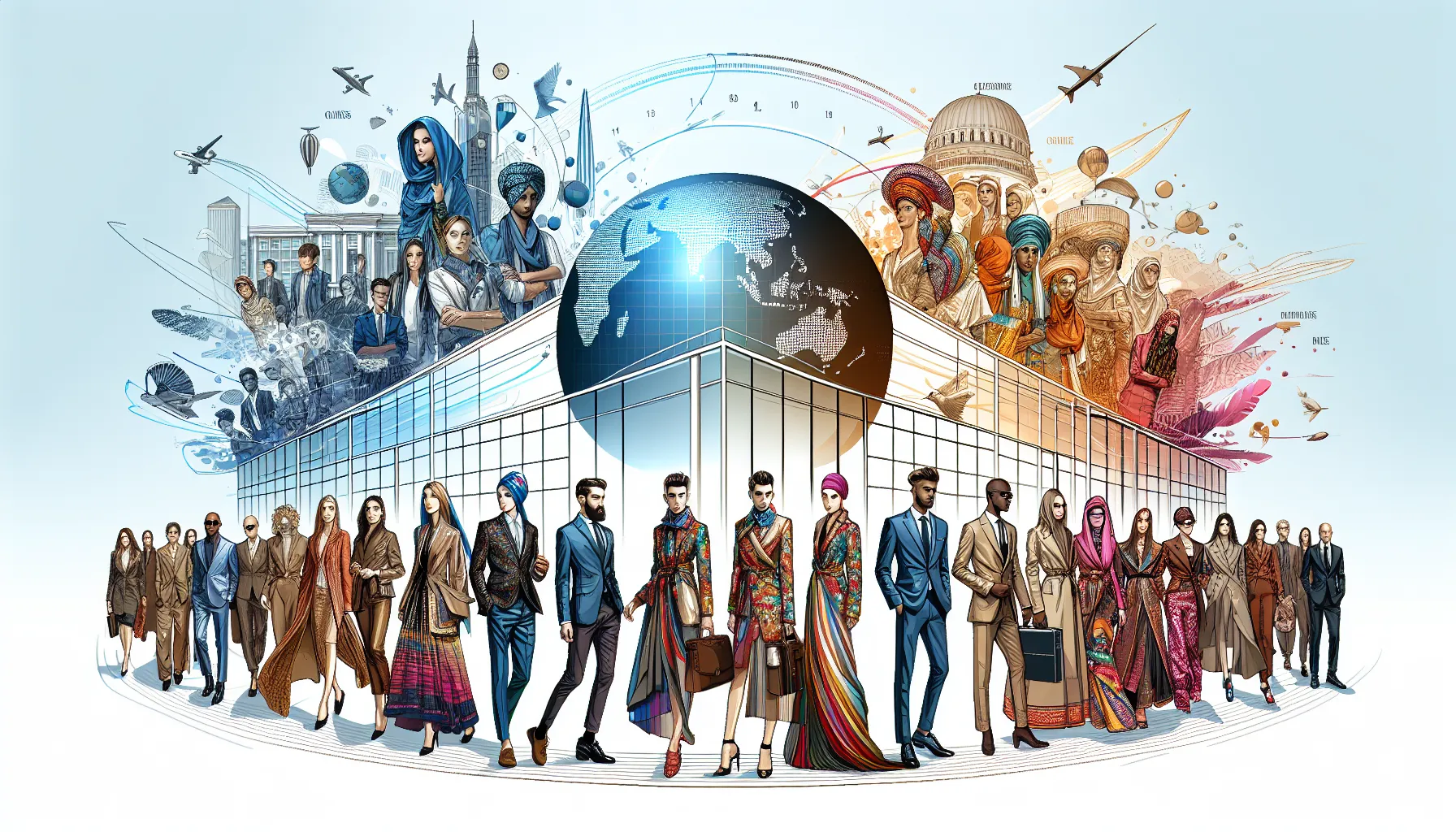
As we navigate the ever-evolving landscape of fashion, it is evident that cultural influences will remain pivotal in shaping trends. Nowadays, designers are increasingly looking beyond their immediate surroundings, drawing inspiration from the rich tapestry of global cultures. This embrace of diversity not only showcases the beauty of different traditions but also leads to innovative fashion solutions that resonate with a broader audience.
At present, we see a growing appreciation for textiles, patterns, and craftsmanship from various cultures. This trend encourages brands to collaborate with artisans from different regions, ensuring that the stories behind garments are not only respected but celebrated. The incorporation of cultural elements fosters a sense of authenticity and connection, allowing consumers to engage with fashion on a more personal level.
Looking ahead, future trends will likely reflect an even greater appreciation for global cultures. As sustainability continues to be a dominant theme in the fashion industry, there is an opportunity for brands to explore eco-friendly practices rooted in traditional techniques from around the world. This not only reduces the ecological footprint but also honors the heritage of indigenous practices.
To stay ahead in this dynamic landscape, fashion enthusiasts and industry professionals should actively seek out and support brands that prioritize cultural respect and authenticity. Engaging with diverse voices in fashion can lead to a wealth of inspiration and innovation. It is crucial to educate ourselves about the cultural significance behind the designs we choose to wear, fostering an environment of respect and understanding.
As we look to the future, consider how you can incorporate global cultural influences into your wardrobe. Explore local shops that showcase international designs or participate in online platforms that promote artisans from around the globe. By doing so, you not only enrich your personal style but also contribute to a more diverse and inclusive fashion community.
For further insights into the intersection of fashion and culture, check out Vogue’s exploration of cultural diversity in fashion, and for a deeper understanding of sustainable practices influenced by global heritage, visit the Sustainable Fashion Forum’s latest discussions. These resources will equip you with knowledge that can inform your choices and inspire future trends in fashion.
In conclusion, as cultural influences continue to shape the fashion landscape, let us embrace and celebrate the diversity that enriches our industry. By actively supporting and engaging with different cultures, we can foster a more inclusive, innovative, and sustainable future for fashion.
Frequently Asked Questions
How does culture influence fashion today?
Culture significantly influences fashion by shaping our perceptions of beauty, identity, and tradition. Globalization allows for cultural exchanges, leading to the fusion of styles, fabrics, and techniques. Designers often draw inspiration from indigenous motifs, traditional garments, and historical narratives, creating pieces that resonate with diverse audiences. This blending not only enriches the fashion landscape but also promotes cultural appreciation, making fashion a powerful medium for storytelling and self-expression.
What are the current cultural fashion trends?
Currently, cultural fashion trends are embracing bold prints, sustainable materials, and traditional craftsmanship. Styles inspired by African, Asian, and Latin American cultures are gaining popularity, featuring vibrant colors and intricate patterns. Additionally, fashion is increasingly incorporating elements of streetwear, reflecting urban culture’s influence. The rise of gender-neutral clothing and vintage aesthetics also highlights a growing acceptance of diverse cultural expressions, making fashion more inclusive and representative of various backgrounds.
Why is sustainable fashion important in cultural contexts?
Sustainable fashion is crucial in cultural contexts as it promotes ethical practices that respect both the environment and cultural heritage. Fast fashion often exploits traditional artisans and contributes to environmental degradation, eroding cultural identities. By embracing sustainable methods, designers can support local communities, preserve traditional craftsmanship, and reduce waste. This approach fosters a deeper connection between fashion and culture, ensuring that future generations can appreciate and sustain their cultural legacies while enjoying contemporary fashion trends.
How can we celebrate cultural diversity through fashion?
Celebrating cultural diversity through fashion involves embracing and promoting different cultural aesthetics and traditions. This can be achieved by featuring designers from various backgrounds, collaborating with artisans globally, and educating consumers about the stories behind garments. Fashion shows, exhibitions, and social media campaigns can highlight the richness of diverse cultures, fostering appreciation and respect. Ethical sourcing and fair trade practices also play a vital role in ensuring that cultural expressions are honored and preserved within the fashion industry.
What role do fashion influencers play in cultural fashion trends?
Fashion influencers play a pivotal role in shaping cultural fashion trends by bridging the gap between diverse cultures and mainstream fashion. They showcase unique styles, promote cultural heritage, and provide visibility to underrepresented designers. Through social media, influencers can amplify cultural narratives, inspire followers to embrace diversity, and advocate for sustainable practices. Their influence encourages brands to be more inclusive, leading to a richer fashion landscape that celebrates the beauty of various cultural expressions.
How can consumers support cultural fashion initiatives?
Consumers can support cultural fashion initiatives by choosing to buy from brands that prioritize ethical practices and celebrate cultural diversity. Researching the origins of garments and understanding their cultural significance promotes informed purchasing decisions. Engaging with local artisans, attending cultural fashion events, and sharing stories on social media can further raise awareness. By advocating for sustainable and culturally respectful fashion, consumers can drive demand for initiatives that preserve and honor global cultural heritage.
What challenges does cultural fashion face today?
Cultural fashion faces several challenges today, including cultural appropriation, commercialization, and environmental concerns. Misrepresentation and exploitation of cultural symbols can lead to backlash and harm community identities. Additionally, the fast fashion industry’s rapid production cycles often disregard the traditions and craftsmanship integral to cultural fashion. Designers are increasingly called to balance creativity with respect for cultural origins while addressing sustainability, making it essential to foster dialogue and collaboration within the industry to overcome these challenges.