
Essential Hair Care Tips for Healthy and Shiny Hair
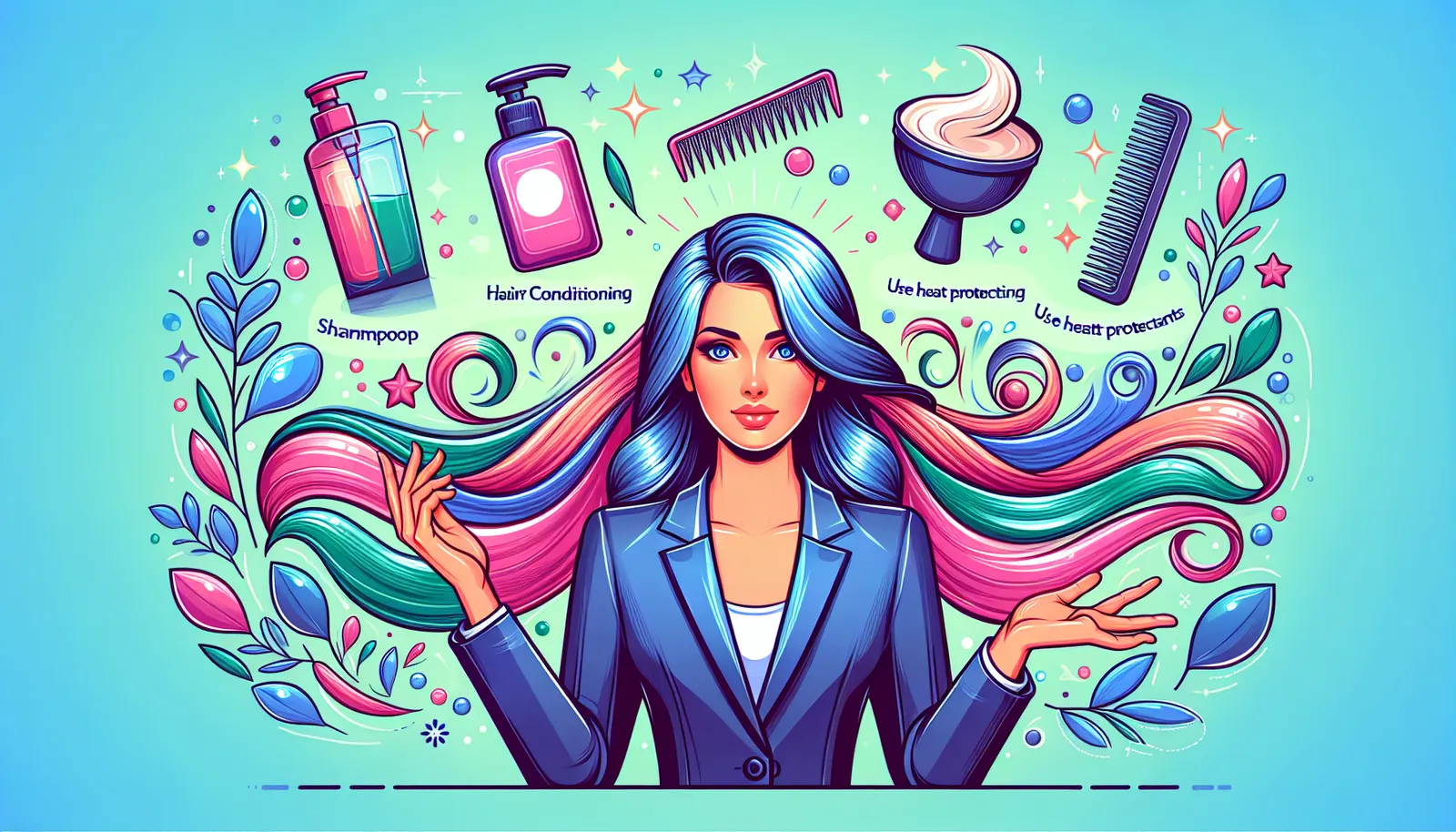
The hair care habits that actually produce shiny, healthy hair 閳?washing, conditioning, heat use, protein-vs-moisture balance, and the small routines most people skip.

24 min read
What You Need to Know
Most shine and health issues are built up over months of small wrong-ish choices 閳?over-washing with a harsh clarifier, daily high-heat styling without protection, conditioner used on the scalp instead of the mid-lengths, skipping the protein-vs-moisture balance. Once those basics are sorted, hair quality improves faster than any single new product will deliver.
This hair care routine guide covers the habits that actually move the needle. Wash frequency and technique, conditioner placement, how often to deep condition, when (and how) to use a protein treatment, heat styling done sensibly, and the under-the-radar stuff 閳?silk pillowcase, scalp care, trimming cadence 閳?that compounds over time. For styling-focused follow-up, see our tips for shiny hair guide.
- How often to actually wash (and why the answer depends on your hair)
- Protein vs. moisture: how to diagnose what your hair needs
- Heat styling without cumulative damage
- The small habits that compound into visible shine
By the end of this article, you’ll be equipped with the best hair care tips to revitalize your hair, making it not just a reflection of your personal style but also a testament to your overall health. Embrace the journey to achieve the shiny, healthy hair you閳ユ獫e always desired!
Building the Perfect Hair Care Routine
Creating a personalized hair care routine is essential for maintaining healthy and shiny hair. By understanding how to care for hair effectively, you can choose the right products and methods that cater to your specific hair type and concerns. In this section, we will explore two foundational aspects of hair care: cleansing and conditioning.
Cleansing
The first step in any hair care routine is cleansing. This process removes dirt, oil, and product buildup from the hair and scalp. However, not all shampoos are created equal. When selecting a shampoo, it’s crucial to choose sulfate-free options.
Sulfates are harsh detergents commonly found in many shampoos, such as sodium lauryl sulfate and sodium laureth sulfate. While they create a rich lather, they can strip hair of its natural oils, leading to dryness and damage. According to a survey by the Professional Beauty Association, over 60% of consumers now prefer sulfate-free products due to their gentler nature and suitability for various hair types.
Benefits of Sulfate-Free Shampoos
Preserves Natural Oils: Sulfate-free shampoos help maintain the hair’s natural moisture balance, which is vital for shiny and healthy hair.
Reduces Irritation: For those with sensitive scalps or skin conditions such as eczema, sulfate-free options can minimize irritation and discomfort.
Color Protection: If you have color-treated hair, sulfate-free shampoos can help preserve your hair color and prolong its vibrancy.
Some popular sulfate-free shampoo brands include:
Burt’s Bees: Known for its natural ingredients, Burt’s Bees offers a variety of sulfate-free options that are gentle on hair.
OGX: This brand provides a range of sulfate-free shampoos tailored to different hair types and concerns, including hydration and volume.
SheaMoisture: Focused on natural ingredients, SheaMoisture’s sulfate-free shampoos cater to various hair textures and types.
Conditioning
After cleansing, the next crucial step in your hair care routine is conditioning. Conditioners are designed to replenish moisture, detangle hair, and improve overall manageability. However, not all conditioners will work for everyone. It’s essential to choose a conditioner that matches your hair type for the best results.
Types of Conditioners Based on Hair Type
- Fine or Thin Hair:
- Look for lightweight conditioners that won’t weigh hair down.
- Example: Tresemm鑼?Botanique Nourish & Replenish Conditioner.
- Curly or Coily Hair:
- Opt for rich, moisturizing conditioners that provide plenty of hydration.
- Example: DevaCurl One Condition Original.
- Color-Treated Hair:
- Choose conditioners specifically formulated to protect color and maintain shine.
- Example: Redken Color Extend Magnetics Conditioner.
- Dry or Damaged Hair:
- Use deep conditioning treatments or masks to repair and restore moisture.
- Example: Olaplex No. 5 Bond Maintenance Conditioner.
Tips for Shiny Hair
To achieve shiny hair, it’s essential to incorporate certain practices into your hair care routine:
Avoid Over-Washing: Washing hair too frequently can strip natural oils. Aim to wash every 2-3 days, depending on your hair type.
Use Cold Water Rinse: Rinsing your hair with cold water at the end of your wash can help seal the hair cuticle, enhancing shine.
Limit Heat Styling: Excessive heat can damage hair, leading to dullness. If you must use heat tools, always apply a heat protectant.
Incorporate Hair Oils: Natural oils, such as argan oil or coconut oil, can add moisture and shine. Apply a small amount to the ends of your hair after styling.
Conclusion
Establishing a solid hair care routine involves selecting the right cleansing and conditioning products that cater to your specific hair type. By opting for sulfate-free shampoos and conditioners tailored to your needs, you can significantly improve your hair’s health and shine. Remember, the best hair care tips are those that work for you, so don’t hesitate to experiment and find what suits your hair best.
For more insights on hair care and the latest trends in the beauty industry, check out Vogue’s hair care tips and Healthline’s guide to hair care.
Nourishing Your Hair from Within
When it comes to maintaining healthy and shiny hair, external products and treatments play a crucial role. However, one key aspect often overlooked is the nourishment your hair receives from within. A well-balanced diet and proper hydration can significantly impact the health of your hair. In this section, we will explore dietary considerations and supplements for hair health, focusing on how to care for hair from the inside out.
Dietary Considerations
Your hair is made up of a protein called keratin, and providing your body with the right nutrients can enhance its strength and shine. Here are some essential vitamins and minerals that contribute to healthy hair:
Biotin: Often referred to as vitamin H, biotin is a B-vitamin that plays a vital role in the health of hair, skin, and nails. According to a study published in the Journal of Clinical and Aesthetic Dermatology, biotin supplementation has been shown to improve hair thickness and fullness in individuals with thinning hair.
Omega-3 Fatty Acids: These essential fats are crucial for hair health. Omega-3s help nourish hair follicles and promote hair growth. Foods rich in omega-3s include fatty fish (like salmon and mackerel), chia seeds, flaxseeds, and walnuts. A study from the National Institutes of Health found that omega-3 supplementation can help reduce hair loss in some individuals.
Vitamin D: This vitamin is essential for the creation of new hair follicles. Recent research published in the International Journal of Molecular Sciences highlights the connection between vitamin D deficiency and hair loss. Foods like fortified dairy products, egg yolks, and mushrooms can help increase your vitamin D levels.
Iron: An iron deficiency can lead to hair loss, as it affects the blood supply to hair follicles. Foods rich in iron include red meat, spinach, lentils, and pumpkin seeds. A study conducted by the Journal of Nutrition found that women with iron deficiency were more likely to experience hair loss.
Zinc: This mineral is crucial for hair tissue growth and repair. It also helps keep the oil glands around the hair follicles functioning properly. Foods high in zinc include oysters, beef, pumpkin seeds, and lentils. According to a review published in Dermatology Research and Practice, zinc deficiency can lead to hair shedding and loss.
To help you visualize these dietary considerations, here’s a summary table:
| Nutrient | Sources |
|---|---|
| Biotin | Eggs, nuts, whole grains |
| Omega-3 Fatty Acids | Fatty fish, chia seeds, walnuts |
| Vitamin D | Fortified milk, egg yolks, mushrooms |
| Iron | Red meat, spinach, lentils |
| Zinc | Oysters, beef, pumpkin seeds |
While a balanced diet is paramount, supplements can serve as an additional boost for those struggling to meet their nutritional needs through food alone. Here are some popular supplements that can enhance hair health:
Biotin Supplements: Available in various forms, biotin supplements are widely used for improving hair quality. A review published in the Journal of Drugs in Dermatology noted that biotin supplementation could significantly improve hair growth in individuals with biotin deficiency.
Fish Oil: Rich in omega-3 fatty acids, fish oil supplements can help nourish hair follicles and support hair growth. A clinical trial published in the Journal of Cosmetic Dermatology found that participants who took fish oil supplements experienced a noticeable increase in hair density.
Multivitamins: A daily multivitamin can ensure you receive the recommended daily allowances of essential vitamins and minerals that are vital for hair health. According to studies from the American Academy of Dermatology, multivitamins can help improve hair and nail health.
Hydration’s Role in Maintaining Hair Shine and Strength
Hydration is another critical factor in keeping your hair healthy. Water helps maintain the moisture balance in your hair, preventing dryness and brittleness. Dehydrated hair can appear dull and lifeless. Here are some tips for ensuring you’re adequately hydrated:
- Aim for at least 8 glasses (64 ounces) of water daily.
- Incorporate hydrating foods such as cucumbers, oranges, and watermelon into your diet.
- Limit caffeine and alcohol, as they can lead to dehydration.
Conclusion
To achieve shiny and healthy hair, it is essential to consider what goes into your body. By focusing on a nutrient-rich diet, considering supplements, and ensuring adequate hydration, you can significantly enhance your hair’s health from the inside out. For more insights on hair care, check out the Mayo Clinic’s guide on hair care and the American Academy of Dermatology’s tips on maintaining healthy hair.
Taking the time to nourish your hair from within will set the foundation for a successful hair care routine, ultimately leading to luscious, shiny locks.
Protecting Your Hair from Damage
Maintaining healthy and shiny hair requires more than just a good shampoo and conditioner閳ユ攰t involves protecting your strands from various forms of damage. In this section, we will cover essential strategies for safeguarding your hair against heat damage and environmental factors, which are critical components of a comprehensive hair care routine guide.
Heat Protection
One of the most significant threats to hair health comes from heat styling tools, such as blow dryers, curling irons, and flat irons. Excessive heat can lead to dryness, brittleness, and breakage. According to a study published in the International Journal of Trichology, over 50% of individuals use heat styling tools regularly, yet many do not take adequate precautions to protect their hair.
Best Practices for Minimizing Heat Damage
Use Heat Protectants: Before styling, apply a heat protectant spray or serum. These products create a barrier between your hair and the heat, helping to prevent moisture loss. Look for products containing ingredients like silicones, which can effectively shield hair from heat.
Adjust the Temperature: Not all hair types require the same heat settings. Fine hair can typically be styled at lower temperatures (around 300鎺矲), while thicker or coarser hair may need slightly higher temperatures (up to 400鎺矲). Using the appropriate heat setting can help minimize damage.
Limit Frequency of Heat Styling: Try to reduce the frequency of heat styling. Embrace natural styles or opt for heat-free methods, such as braiding damp hair for waves or employing foam rollers.
Choose Quality Tools: Invest in high-quality styling tools that feature advanced technologies, such as ceramic or tourmaline plates, which distribute heat more evenly and reduce hot spots.
Regularly Trim Your Hair: Regular haircuts (every 6-8 weeks) help eliminate split ends and prevent further damage from traveling up the hair shaft.
By incorporating these practices into your hair care routine, you can significantly reduce heat-related damage and promote healthier hair.
Environmental Factors
Environmental elements like UV rays and pollution can also cause serious harm to your hair. Just like your skin, your hair requires protection from these external aggressors.
Understanding the Effects of UV Rays and Pollution
UV Damage: Prolonged exposure to the sun can lead to color fading, dryness, and weakened hair structure. A study published in the Journal of Cosmetic Science indicated that UV radiation can alter the protein structure of hair, leading to increased porosity and a loss of shine.
Pollution: Urban air pollutants, including particulate matter and chemicals, can settle on hair, leading to oxidative stress, dullness, and even scalp issues. According to a report from the American Academy of Dermatology, pollution can exacerbate conditions like dandruff and hair loss.
Protection Strategies
Wear a Hat: When spending time outdoors, wearing a wide-brimmed hat can offer substantial protection from UV rays, helping to shield your hair and scalp from direct sunlight.
Use UV Protection Products: Look for hair care products that contain UV filters. These formulations help to shield your hair from sun damage while maintaining moisture levels.
Rinse After Exposure: If you閳ユ獫e been in a polluted environment, rinse your hair with clean water as soon as possible. This will help remove harmful particles and prevent buildup.
Incorporate Antioxidants: Use hair products enriched with antioxidants, such as vitamin E or green tea extract, which can help neutralize the damaging effects of environmental stressors.
Regularly Cleanse and Condition: Employ a gentle clarifying shampoo to remove toxins and buildup, followed by a deep conditioning treatment to restore moisture and strength.
By actively addressing environmental factors, you can enhance the overall health and appearance of your hair, ensuring it remains vibrant and resilient against daily aggressors.
Conclusion
Protecting your hair from damage requires a multi-faceted approach, emphasizing both heat protection and environmental safeguards. By implementing these best hair care tips into your routine, you can maintain healthy, shiny hair that not only looks great but also feels strong and resilient. Remember, the key to a successful hair care routine lies in consistent protection and mindful product choices.
For further insights on hair care and damage prevention, consider exploring resources from Mayo Clinic, which offers valuable information on hair health, and Healthline, known for its comprehensive wellness advice.
The Role of Hair Treatments
When it comes to how to care for hair effectively, incorporating hair treatments into your regimen can be a game-changer. These treatments, including masks and oils, as well as professional options, are essential for achieving healthy, shiny hair. In this section, we will explore the significance of hair treatments and provide you with the best hair care tips to elevate your hair care routine.
Masks and Oils
Regularly using hair masks for deep conditioning is one of the most effective strategies for maintaining vibrant, shiny hair. Masks are rich in nutrients and help repair damage, hydrate, and restore shine. Here are some popular hair masks along with their beneficial ingredients:
Shea Moisture Raw Shea Butter Restorative Hair Masque
Ingredients: Shea butter, argan oil, sea kelp
Benefits: Deeply hydrates and strengthens damaged hair, making it ideal for dry, curly hair types.
Olaplex No. 3 Hair Perfector
Ingredients: Bis-aminopropyl diglycol dimaleate
Benefits: Repairs broken bonds in hair, enhancing its strength and shine.
Briogeo Don閳ユ獩 Despair, Repair! Deep Conditioning Mask
Ingredients: B vitamins, rosehip oil, algae extract
Benefits: Boosts moisture and helps prevent future damage.
L’Oreal Paris Elvive Total Repair 5 Damage Erasing Balm
Ingredients: Protein and ceramide
Benefits: Targets five signs of damage, restoring hair’s vitality and smoothness.
Using these masks regularly can significantly improve the overall health of your hair, leading to a noticeable increase in shine and texture. The current trend indicates that consumers are increasingly turning to natural and organic ingredients for hair care, reflecting a broader movement towards sustainable beauty.
In addition to masks, oils can also play a crucial role in your hair care routine. Oils like argan, coconut, and jojoba oil are known for their moisturizing properties. Incorporating a few drops of oil into your routine can help lock in moisture and provide a healthy sheen to your hair.
Professional Treatments
For those seeking more intensive solutions, exploring professional treatments can be beneficial. Treatments such as keratin and bonding are becoming increasingly popular among individuals looking to achieve smooth, shiny hair.
Keratin Treatments
Keratin treatments involve applying a keratin-based formula to the hair, which is then sealed in with heat. This process smooths the hair cuticle, reducing frizz and enhancing shine. According to recent data, the global keratin hair treatment market is expected to grow significantly, highlighting its rising popularity.
Bonding Treatments
These treatments focus on repairing the internal structure of the hair by reconnecting broken bonds. They are particularly effective for those who have chemically treated hair or have experienced significant damage. Brands like Olaplex and K18 are leading the way in this category, with studies showing that bonding treatments can restore up to 90% of hair’s strength after just one application.
Key Considerations for Hair Treatments
When considering hair treatments, keep the following tips in mind:
- Frequency:
- For masks, using them once a week can provide noticeable results.
- Professional treatments should be done every few months, depending on hair type and damage level.
- Consultation:
- Always consult with a professional stylist to determine which treatments are best suited for your hair type and condition. They can provide personalized recommendations based on current trends and product efficacy.
- Aftercare:
- Follow up with a proper hair care routine that includes sulfate-free shampoos and conditioners to prolong the effects of professional treatments.
In summary, incorporating masks, oils, and professional treatments into your hair care routine is essential for achieving and maintaining shiny, healthy hair. As the beauty industry continues to evolve, staying informed about the best hair care tips and treatments can help you make the best choices for your hair health.
For more insights into the latest trends in hair care and treatment options, you can explore resources from Cosmopolitan’s beauty section, Harvard’s research on hair care, and Vogue’s latest hair care trends.
By understanding the role of hair treatments, you can better navigate your hair care routine and ensure that your hair remains vibrant and healthy for years to come.
Staying Updated with Current Hair Care Trends
As the beauty industry evolves, staying informed about the latest hair care trends is essential for anyone interested in achieving healthy and shiny hair. Two significant trends that have gained momentum are the rise of natural hair care products and the adoption of sustainable practices in the beauty sector. This section will explore these trends and their implications for your hair care routine.
Natural Hair Care Products
The clean beauty movement has significantly influenced how consumers approach hair care. Nowadays, people are more aware of the ingredients in their hair products and are seeking natural alternatives that are free from harsh chemicals. This shift is not just a passing trend; recent data shows that the global natural cosmetics market is expected to grow from $36 billion in 2020 to approximately $54 billion by 2027, reflecting a compound annual growth rate (CAGR) of over 7% (Bloomberg).
Key Benefits of Natural Hair Care Products
- Healthier Ingredients: Natural hair care products often contain plant-based ingredients that nourish the hair without causing damage.
- Reduced Allergens: Many consumers find that products made from natural ingredients are less likely to cause allergic reactions or irritate the scalp.
- Environmental Impact: By choosing natural products, consumers contribute to less pollution and reduced chemical runoff into waterways.
Leading Brands in Natural Hair Care
Several brands have emerged as leaders in the natural hair care space, offering products that align with consumer preferences for clean beauty:
- Aveda: Known for its commitment to environmental sustainability, Aveda uses naturally derived ingredients in its hair care line.
- Rahua: This brand focuses on rainforest-grown ingredients, promoting both hair health and ecological preservation.
- Oway: Oway’s products are formulated with organic and biodynamic ingredients, packaged in recyclable materials.
Sustainable Practices
Sustainability is becoming increasingly important to consumers, influencing their purchasing decisions. A recent survey revealed that 67% of consumers prefer to buy from brands that are environmentally conscious (NPR). The hair care industry is responding to this demand through innovative practices that reduce environmental impact.
Innovations in Sustainable Hair Care
- Sustainable Packaging: Brands are shifting towards recyclable, biodegradable, or refillable packaging to minimize waste.
- Function of Beauty: This customizable hair care brand uses eco-friendly packaging and encourages customers to return empty bottles for recycling.
- Ethique: A pioneer in solid shampoo and conditioner bars, Ethique reduces plastic waste significantly.
- Ethical Sourcing: Companies are increasingly focused on sourcing ingredients responsibly.
- K鑼卹astase: This brand has committed to sourcing its ingredients sustainably, ensuring that they support local communities.
- Water Conservation: With water scarcity becoming a pressing global issue, some brands are developing waterless products.
- Lush: Known for its solid hair care products, Lush minimizes water use in its formulations.
Future Trends in Hair Care
As the beauty industry continues to evolve, the following trends are likely to shape the future of hair care:
- Personalized Hair Care: Advances in technology are enabling brands to offer customized products based on individual hair needs and preferences.
- Transparency: Brands will increasingly provide clear information about ingredient sourcing and manufacturing practices, allowing consumers to make informed choices.
Conclusion
The rise of natural hair care products and sustainable practices reflects a broader societal shift towards environmental awareness and personal health. By incorporating these insights into your hair care routine, you can not only enhance the health and shine of your hair but also contribute to a more sustainable planet. As you explore how to care for hair, consider these best hair care tips and embrace a hair care routine guide that aligns with these modern trends.
For more insights on sustainable beauty practices, check out Vogue’s coverage of clean beauty and The Guardian’s exploration of ethical sourcing. Remember, making informed choices today can lead to healthier hair and a healthier planet tomorrow.
Key Takeaways
In conclusion, maintaining healthy and shiny hair requires a consistent hair care routine that nurtures your locks from root to tip. Nowadays, the importance of using quality products and techniques tailored to your hair type cannot be overstated. Whether it’s incorporating deep conditioning treatments or minimizing heat styling, each step plays a critical role in achieving that coveted shine and health.
At present, there is a significant shift towards sustainable and natural ingredients in hair care. Consumers are becoming increasingly aware of the impact that traditional products can have on both their hair and the environment. This trend is expected to continue, with brands focusing on eco-friendly packaging and formulations that harness the power of nature. Embracing these products not only supports your hair health but also contributes to a more sustainable future. For more insight into the importance of sustainability in beauty, you can visit The New York Times on sustainable beauty.
Looking ahead, advancements in hair care treatments are set to enhance overall hair health. Innovative technologies and treatments, such as scalp health products and personalized hair care, are emerging as effective solutions for various hair concerns. Keeping an eye on these trends can empower you to make informed choices about your hair care routine. For an in-depth look at the future of hair care innovations, explore Harper’s Bazaar’s take on future hair care trends.
To sum up, developing a hair care routine that prioritizes quality, sustainability, and innovation is essential for achieving healthy and shiny hair. Take the time to assess your current products and practices, and consider integrating natural options that are kinder to both your hair and the planet. Stay informed about emerging trends and treatments that can elevate your hair care regimen. By making these adjustments now, you will set the stage for vibrant, healthy hair in the future. Start your journey towards luscious locks today!
Frequently Asked Questions
What are some quick tips for shiny hair?
To achieve shiny hair quickly, consider using a leave-in conditioner or hair serum that contains natural oils like argan or coconut oil. Regularly use a wide-tooth comb to minimize breakage and distribute oils evenly. Additionally, rinsing your hair with cold water after washing can help seal the cuticles, enhancing shine. Limit heat styling and always use a heat protectant if you must use styling tools. Lastly, a balanced diet rich in vitamins and minerals supports overall hair health.
How often should I wash my hair?
The frequency of washing your hair largely depends on your hair type and lifestyle. For oily hair, washing every 1-2 days may be necessary, while dry or curly hair types can benefit from washing just once a week. Over-washing can strip natural oils, leading to dryness and damage. If you exercise regularly, consider rinsing with water and using a mild shampoo to maintain cleanliness without over-drying your hair. Adjust your routine based on how your hair responds.
What ingredients should I look for in hair care products?
When choosing hair care products, look for ingredients that nourish and protect your hair. Natural oils like argan, jojoba, and coconut oil provide moisture and shine. Proteins such as keratin strengthen hair and reduce breakage. Additionally, ingredients like shea butter and aloe vera offer hydration and soothing properties. Avoid sulfates and parabens, as these can strip natural oils and cause irritation. Always check for added vitamins and antioxidants that promote overall hair health.
How can I protect my hair from heat damage?
To protect your hair from heat damage, always use a heat protectant spray or serum before applying any heat styling tools. Limit the use of high temperatures and opt for lower settings when possible. Additionally, allow your hair to air dry partially before using a blow dryer. Incorporating regular deep conditioning treatments can help restore moisture and strength. Lastly, consider using heat-free styling methods like braiding or twisting your hair to achieve waves without damage.
What are some natural remedies for shiny hair?
Natural remedies for shiny hair include using apple cider vinegar as a rinse, which helps balance pH and enhance shine. A mixture of honey and olive oil applied as a hair mask can provide deep hydration. You can also use aloe vera gel to add moisture and shine while promoting scalp health. Regularly massaging your scalp with natural oils, like almond or castor oil, not only nourishes the hair but also stimulates blood circulation, contributing to overall hair vitality.
How does diet affect hair health?
Diet plays a crucial role in hair health. Consuming a balanced diet rich in vitamins and minerals, such as vitamins A, C, D, E, and B-complex, as well as iron, zinc, and omega-3 fatty acids, promotes strong and shiny hair. Foods like leafy greens, nuts, fish, eggs, and avocados are excellent choices. Staying hydrated is equally important, as proper water intake helps maintain moisture levels in your hair. A healthy diet supports hair growth and reduces hair loss.
What are the benefits of regular trims?
Regular trims are essential for maintaining healthy hair. They help remove split ends that can travel up the hair shaft, leading to further damage. Trimming every 6-8 weeks can promote healthier growth and prevent breakage, giving your hair a fuller appearance. Additionally, fresh trims can enhance your hairstyle and overall look. Maintaining your ends helps preserve the integrity of your hair, making it easier to manage and style while also contributing to that desired shine.