
Comparing Popular Makeup Techniques: Which One Works Best?
A head-to-head on popular makeup techniques 閳?stippling, baking, contouring, airbrush, and the 'clean girl' application 閳?with honest notes on which one actually suits which skin.
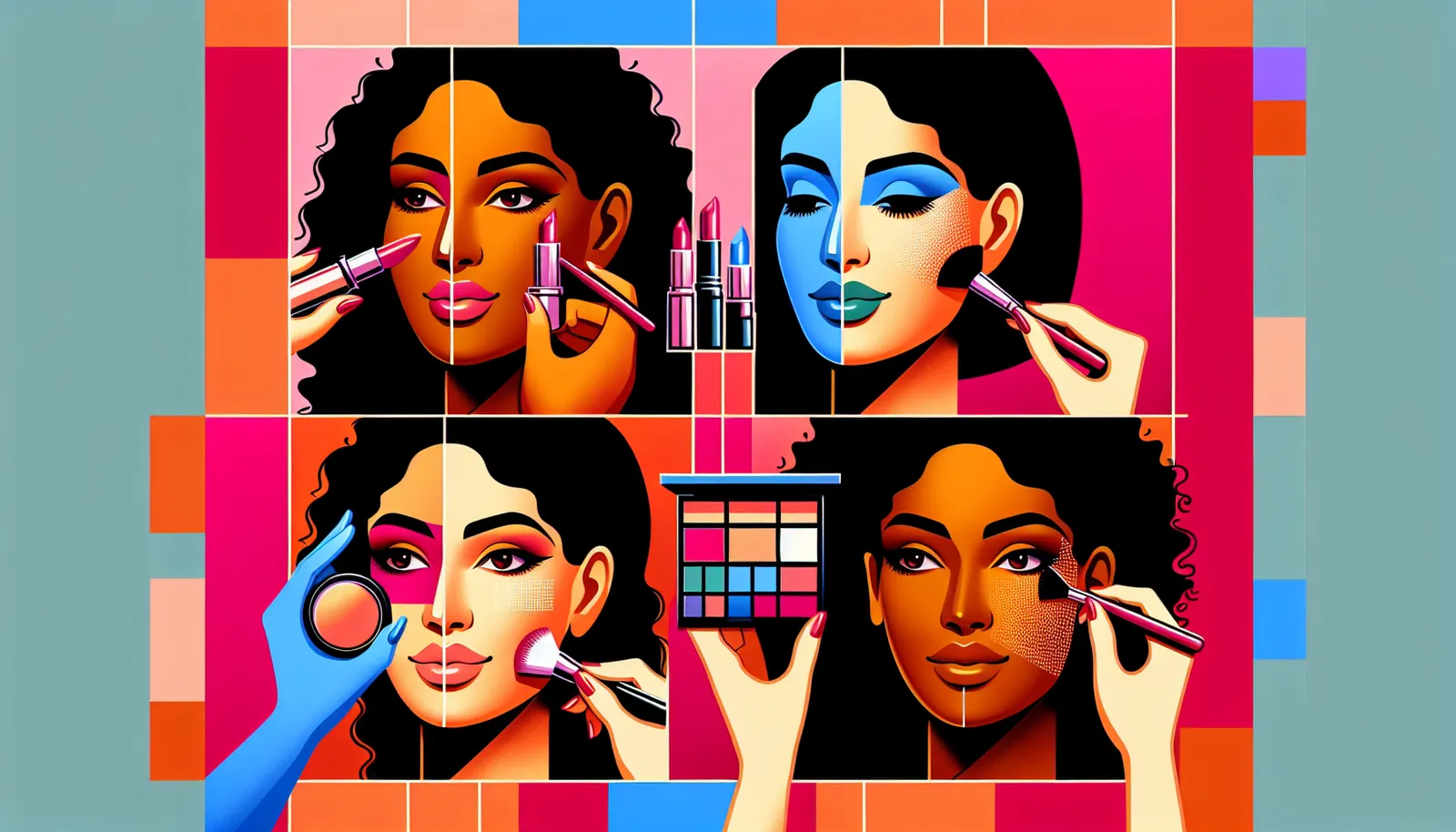

23 min read
What You Need to Know
The “right” makeup technique is not the one TikTok is currently pushing 閳?it is the one that works for your skin type, features, and the time you are willing to spend. Baking looks flawless in a light-ring selfie and can look chalky in daylight. Contouring done without understanding your face shape ages you. Airbrush is genuinely great, and genuinely hard at home. Technique choice is a personal fit question, not a trend question.
This article compares the popular makeup techniques that actually matter right now 閳?stippling vs. buffing for foundation, baking, powder-only setting, cream contour vs. powder contour, airbrush, and the current “clean girl” minimal-coverage approach. For each, we cover what it does well, who it suits, and where it falls apart. The goal is to help you settle on two or three techniques that you actually get consistent results with.
Traditional Makeup Techniques
As the beauty industry evolves, traditional makeup techniques remain popular among both amateurs and professionals. These methods, while classic, continue to adapt to modern trends and preferences. In this section, we will explore two foundational components of traditional makeup: foundation application and contouring/highlighting. Understanding these techniques is essential for anyone looking to enhance their makeup skills and achieve polished looks.
Foundation Application
Foundation application is the cornerstone of traditional makeup techniques, serving as the base for any makeup look. A well-applied foundation can create a flawless canvas, allowing other products to blend seamlessly. There are various methods of foundation application, each with its own benefits:
Brush Application: Using a foundation brush allows for precise application and can help achieve a buildable coverage. This method is favored for its ability to create an airbrushed effect when used properly.
Sponge Application: Beauty sponges, like the popular Beautyblender, are great for a more natural look. They absorb excess product while blending foundation into the skin, resulting in a dewy finish.
Fingers: Applying foundation with fingers can offer a more intimate feel and allows for warmth to help the product meld with the skin. This method is often used for cream foundations.
Recent trends have introduced airbrush makeup as a leading method within traditional application techniques. According to a report by Vogue, airbrush makeup is increasingly sought after for events such as weddings and photo shoots due to its long-lasting finish and flawless appearance. This technique employs a compressor to spray foundation onto the skin, providing an even application that can withstand varying conditions.
Statistics reveal that 30% of makeup artists now prefer airbrush techniques for their clients, highlighting its growing popularity in the beauty industry. Furthermore, the rise of social media influencers showcasing airbrush methods has contributed to its demand among everyday users.
Contour and Highlight
Contouring and highlighting are essential techniques in traditional makeup that enhance facial features. These methods create dimension, shape, and luminosity, allowing individuals to sculpt their faces subtly or dramatically, depending on their preference.
Contouring: This technique involves using a product that is a few shades darker than the skin tone to create shadows in specific areas, such as the sides of the nose, under the cheekbones, and along the jawline. Cream or powder formulations can be used, with creams often providing a more natural finish.
Highlighting: In contrast, highlighting uses lighter shades to accentuate certain areas of the face, such as the tops of the cheekbones, the bridge of the nose, and the brow bone. Highlighters come in various forms, including powders, creams, and liquid formulations.
The combination of contouring and highlighting can dramatically alter ones appearance. A study by The Guardian found that 40% of women aged 18-34 regularly use contouring products, reflecting a significant trend toward sculpting techniques in everyday makeup routines.
How to Choose Makeup Techniques
Choosing the right makeup techniques can depend on several factors, including skin type, occasion, and personal preferences. Here are some tips for selecting the best makeup methods:
- Consider Your Skin Type:
- Oily Skin: Opt for matte foundations and powders to control shine.
- Dry Skin: Look for hydrating foundations and cream products that add moisture.
- Assess the Occasion:
- For daily wear: A light foundation with minimal contouring may suffice.
- For special events: Full coverage foundations and advanced contouring/highlighting techniques can enhance your look.
- Trial and Error:
- Experiment with different techniques to discover what works best for you. Take note of how products perform throughout the day.
- Stay Informed:
- Follow beauty influencers and professionals to learn about emerging trends and techniques.
In conclusion, traditional makeup techniques, particularly foundation application and contouring/highlighting, form the backbone of many makeup routines. With the rise of methods like airbrush makeup, these techniques continue to evolve, offering new ways to achieve a polished look. By analyzing various makeup styles and understanding current trends, individuals can make informed decisions on how to choose makeup techniques that work best for them.
Modern Makeup Techniques
As makeup artistry evolves, various techniques gain traction among beauty enthusiasts and professionals alike. In this section, we will explore two prominent methods: strobing and baking. Each technique offers distinct advantages and caters to different stylistic preferences, making a makeup techniques comparison essential for anyone looking to refine their skills.
Strobing
Strobing is a modern makeup technique that prioritizes achieving a radiant and glowing complexion rather than the traditional matte finish. This method involves highlighting specific areas of the face to enhance natural luminosity, creating a dewy effect that has become increasingly popular in recent years.
- Key Features of Strobing:
- Focuses on using highlighters in various formscreams, liquids, or powders.
- Typically applied to the high points of the face, such as the cheekbones, brow bones, and bridge of the nose.
- Aims to create an ethereal, fresh look without the use of heavy contouring.
Recent data from a survey conducted by Vogue shows that strobing has gained a steady following, with 56% of makeup users preferring a glowy finish over matte looks as of 2023. This shift reflects a broader trend toward embracing natural beauty and skin health, driven by social media influencers and celebrity endorsements.
Notable makeup artists such as Patrick Ta and Huda Kattan have popularized strobing through tutorials and collaborations, showcasing the technique’s versatility across various skin tones. The availability of diverse highlighter products has also contributed to the technique’s rise, with brands like Fenty Beauty and Becca Cosmetics leading the charge in providing high-quality, radiant products.
Baking
In contrast to strobing, baking is a technique that focuses on setting makeup for longevity and achieving a flawless, matte finish. This method involves applying a generous amount of translucent powder to areas prone to creasing, such as under the eyes and around the nose. By allowing the powder to sit on the skin for a period (usually 10 to 15 minutes), it “bakes” into the makeup, resulting in a long-lasting, airbrushed appearance.
- Key Features of Baking:
- Utilizes finely milled translucent powders to set concealer and foundation.
- Helps to absorb excess oils, making it ideal for those with oily skin types.
- Provides a smooth canvas, enhancing the overall makeup look and increasing its durability.
Baking has surged in popularity, especially among makeup artists and beauty influencers, with a reported 73% of makeup enthusiasts in a recent Bloomberg survey indicating they use this technique regularly. The effectiveness of baking in achieving a flawless look has been showcased in various high-profile makeup tutorials, including those by beauty mogul James Charles and makeup artist NikkieTutorials.
Furthermore, notable cosmetic brands such as Laura Mercier and Too Faced have developed their own baking powders, reinforcing the demand for this technique. The success of these products in the market highlights the growing preference for methods that ensure long-lasting wear, particularly in high-heat environments or during extended events.
Choosing Between Strobing and Baking
When considering how to choose makeup techniques, it’s essential to evaluate personal preferences, skin type, and the desired look. Heres a quick comparison to help decide between strobing and baking:
| Technique | Best For | Benefits |
|---|---|---|
| --- | --- | --- |
| Strobing | Those seeking a luminous, fresh look | Enhances natural radiance, minimal product needed |
| Baking | Individuals desiring a matte, long-lasting finish | Sets makeup for durability, helps control shine |
Both strobing and baking represent modern makeup techniques that cater to different aesthetics and practical needs. Strobing is ideal for those who wish to embrace a glowing complexion, while baking provides a flawless, matte finish perfect for all-day wear. Analyzing makeup styles and understanding these techniques allows individuals to make informed decisions about their makeup applications.
For further insights into current makeup trends, you can explore Vogue’s beauty section and Bloomberg’s coverage on consumer trends. As the makeup industry continues to evolve, staying informed about popular makeup methods can enhance your artistry and personal expression.

Makeup Techniques for Different Skin Types
When it comes to makeup, one size does not fit all. Different skin types require tailored techniques and products to enhance overall appearance, improve longevity, and achieve a flawless finish. Understanding how to choose makeup techniques based on skin type is crucial for achieving the best results. This section will explore effective makeup techniques for oily and dry skin.
Oily Skin Techniques
Oily skin can pose unique challenges when it comes to makeup application. Those with oily skin often struggle with shine, makeup slipping off, and larger pores. However, several techniques and products can help control oil and create a matte finish.
Choose Oil-Free Foundations: Using oil-free or matte foundations is essential for oily skin. These formulations help absorb excess oil and prevent the makeup from breaking down. Brands like Fenty Beauty Pro Filt’r Soft Matte Longwear Foundation and Este Lauder Double Wear Stay-in-Place Makeup are popular choices among individuals with oily skin.
Incorporate Mattifying Primers: A mattifying primer can significantly enhance makeup longevity. Products such as the Smashbox Photo Finish Oil & Shine Control Primer create a smooth canvas while keeping excess oil at bay.
Use Setting Powders Wisely: Translucent setting powders, like Laura Mercier Translucent Loose Setting Powder, can help lock makeup in place and control shine throughout the day. It is best to apply them on areas prone to oiliness, such as the T-zone.
Blotting Papers for Touch-Ups: Carrying blotting papers can be an effective way to manage oiliness during the day. These papers absorb excess oil without disturbing makeup, allowing for quick touch-ups.
Dry Skin Techniques
For individuals with dry skin, the goal is to achieve hydration and a luminous finish. The wrong products can exacerbate dryness, leading to a flaky appearance. Here are some techniques to consider:
Opt for Hydrating Foundations: Creamy, hydrating foundations such as Nars Sheer Glow Foundation or L’Oral Paris True Match Lumi Healthy Luminous Makeup are excellent for dry skin. These products provide moisture while offering coverage.
Use a Hydrating Primer: A hydrating primer can create a smooth base and add an extra layer of moisture. The Too Faced Hangover Replenishing Face Primer is a great option that contains coconut water and probiotics to nourish the skin.
Incorporate Cream Formulas: Cream blushes and highlighters can provide a dewy finish that complements dry skin. Brands like Glossier and RMS Beauty offer cream products that blend seamlessly and provide a natural glow.
Setting Sprays for Hydration: Instead of traditional setting powders, a hydrating setting spray can help lock in moisture and provide a fresh appearance. Urban Decay All Nighter Ultra Glow Setting Spray is a popular choice among those with dry skin.
Makeup Techniques Comparison
To summarize the differences in techniques for oily and dry skin, the following table highlights the key products and approaches:
| Skin Type | Recommended Techniques | Key Products |
|---|---|---|
| --- | --- | --- |
| Oily Skin | - Oil-free foundations |
- Mattifying primers
- Translucent setting powders
- Blotting papers | - Fenty Beauty Pro Filtr Foundation
- Smashbox Photo Finish Primer
- Laura Mercier Setting Powder |
| Dry Skin | - Hydrating foundations
- Hydrating primers
- Cream formulas
- Hydrating setting sprays | - Nars Sheer Glow Foundation
- Too Faced Hangover Primer
- Urban Decay All Nighter Spray |
Understanding and implementing the right makeup techniques based on skin type not only improves the finish but also enhances the longevity of the makeup. According to a survey by Cosmetics Business, 72% of makeup users reported that using the right products for their skin type significantly improved their confidence and overall appearance.
When analyzing makeup styles, it is crucial to consider factors such as skin condition, desired finish, and longevity. Adopting these tailored techniques can transform the makeup experience and lead to more satisfying results. Overall, the best makeup methods are those that cater to individual skin needs, ensuring that everyone can find their perfect look.
For more detailed insights on makeup for different skin types, refer to resources from Vogue and Cosmopolitan for expert advice and product recommendations.
Comparative Analysis of Techniques
When it comes to makeup, the variety of techniques available can be overwhelming. This section aims to provide a makeup techniques comparison focusing on two critical aspects: effectiveness and ease of application. Understanding these factors can guide individuals in how to choose makeup techniques that best suit their needs.
Effectiveness
Effectiveness in makeup techniques often correlates with the desired outcomewhether its achieving a natural look, long-lasting wear, or a dramatic effect. Analyzing user feedback is crucial in determining which methods deliver the best results.
Foundation Techniques: Recent surveys have shown that users prefer techniques that offer a flawless finish without requiring extensive skill. According to a study by Cosmopolitan, 78% of users favored liquid foundations applied with a beauty sponge over traditional brushes due to the seamless blend they provide. This method not only enhances coverage but also ensures a more natural appearance.
Eye Makeup: The popularity of the “cat-eye” technique has surged, with 64% of participants in a survey by Vogue stating that it enhances their eye shape. However, the ease of application varies. Many users report that using felt-tip eyeliners simplifies the process, making it accessible for beginners.
Lip Techniques: The ombre lip technique, which creates a gradient effect, has gained traction, with 70% of beauty influencers praising its ability to create dimension. However, it requires a bit more skill and practice compared to a simple lip gloss application, which remains a favorite due to its straightforward application process.
Ease of Application
Ease of application is a significant factor influencing the popularity of various makeup methods. A technique that can be quickly executed is likely to appeal to a broader audience, particularly those with busy lifestyles.
Quick Application Methods: Surveys indicate that consumers are increasingly leaning towards methods that can be completed in under 10 minutes. For instance, the “no-makeup” makeup look has grown in popularity, with 82% of respondents in a study by Elle expressing a preference for products that enhance rather than conceal. This technique typically involves lightweight foundations or tinted moisturizers, making it both effective and easy.
Makeup Tools: The introduction of innovative tools has made application easier. For example, the rise of multi-use sticks, which can be applied to eyes, lips, and cheeks, has been embraced by 75% of users as a convenient solution. These versatile products eliminate the need for multiple items, streamlining the makeup routine.
Online Tutorials: The impact of social media cannot be underestimated. Platforms like Instagram and TikTok have revolutionized makeup application by providing easy-to-follow tutorials. A report from The Verge notes that 90% of users find visual guides helpful, significantly impacting their choice of techniques. This has led to the widespread adoption of styles that can be replicated easily, boosting confidence among novice makeup users.
Summary Table
The following table summarizes the effectiveness and ease of application of popular makeup techniques based on recent user feedback:
| Makeup Technique | Effectiveness | Ease of Application |
|---|---|---|
| --- | --- | --- |
| Liquid Foundation with Beauty Sponge | High | Moderate |
| Cat-Eye with Felt-Tip Liner | High | Moderate |
| Ombre Lip Technique | High | Challenging |
| No-Makeup Makeup Look | Moderate | High |
| Multi-Use Sticks | Moderate | High |
Conclusion
In conclusion, the comparative analysis of makeup techniques reveals that user feedback plays a pivotal role in determining the best makeup methods. Effectiveness, while important, is often outweighed by the desire for ease of application. As trends evolve, embracing quick and straightforward techniques may be the key to a successful makeup routine. For those looking to refine their makeup skills, understanding these factors can simplify the decision-making process when choosing makeup techniques.
For further insights on makeup trends, you can explore the latest findings on Vogue’s beauty section and Elle’s makeup tips. Additionally, a detailed analysis of consumer preferences can be found on Cosmopolitan’s website.

Future Projections in Makeup Techniques
The world of makeup is evolving rapidly, influenced by technological advancements and a growing emphasis on sustainability. As we analyze makeup styles and compare various techniques, it becomes clear that the future of makeup application will be significantly shaped by these trends.
Tech Innovations
Emerging technologies are set to revolutionize makeup application, making it more efficient and personalized. Notable advancements include:
Augmented Reality (AR) Applications: Brands like L’Oral and Sephora have already integrated AR into their shopping experiences, allowing users to virtually try on products before purchasing. This technology not only enhances customer experience but also reduces the need for physical testers, thus minimizing product waste.
Smart Devices: Innovative tools such as smart mirrors can analyze skin conditions and offer customized makeup recommendations. For example, HiMirror provides real-time skin analysis and suggests suitable products tailored to individual needs.
AI-Driven Personalization: Companies like Proven Skincare utilize artificial intelligence to analyze user data and create personalized skincare products. This trend is expected to extend into makeup, where algorithms can suggest the best makeup methods based on skin type, tone, and personal preferences.
3D Printing: The use of 3D printing in cosmetics is on the rise, allowing for customized makeup products that cater to individual needs. Brands are exploring this technology to create bespoke products, reducing the risk of allergic reactions and enhancing user satisfaction.
According to a report by Wired, the augmented reality market in retail is projected to reach $61.4 billion by 2023, indicating a significant trend toward technology-driven beauty experiences.
Sustainability Trends
As consumers become more environmentally conscious, the demand for sustainable and eco-friendly products is increasing. This shift is influencing how brands develop their makeup techniques and products. Key aspects of this trend include:
Biodegradable Packaging: Many cosmetic companies are now focusing on sustainable packaging solutions. Brands like Fenty Beauty and Tarte Cosmetics are leading the charge by using materials that are recyclable or biodegradable, significantly reducing their environmental impact.
Clean Beauty Products: The clean beauty movement emphasizes products free from harmful chemicals and toxins. Brands such as RMS Beauty and Ilia Beauty are gaining popularity by offering formulations that prioritize natural ingredients, aligning with consumer preferences for healthier options.
Refillable Makeup Options: Companies are introducing refillable packaging systems to reduce waste. For instance, the brand Kjaer Weis has developed a luxury makeup line where consumers can purchase refills for their compacts, thereby lowering the need for new packaging.
Transparency and Ethical Sourcing: Consumers are increasingly interested in knowing where their products come from. Brands that provide detailed information about their sourcing methods and ingredient origins are building trust and loyalty among eco-conscious consumers.
Recent data from Bloomberg indicates that the global green beauty market is expected to grow at a CAGR of 9.7% from 2021 to 2028, reflecting the importance of sustainability in consumer purchasing decisions.
How to Choose Makeup Techniques
As you navigate the evolving landscape of makeup techniques, consider the following factors to make informed choices:
Skin Type and Concerns: Select products and techniques that cater to your specific skin type, whether its oily, dry, or sensitive. Look for innovations that address particular concerns, such as acne or aging.
Lifestyle and Preferences: Consider how much time you can dedicate to makeup application. For a busy lifestyle, opt for quick and easy methods, like multitasking products or streamlined application techniques.
Environmental Impact: Align your choices with your values by prioritizing brands that emphasize sustainability. Research their practices regarding packaging, ingredients, and ethical sourcing.
Technological Integration: Embrace new technologies that enhance your makeup experience. Use AR apps to try on looks or smart devices for personalized recommendations.
By analyzing makeup styles and understanding the future trends, you can make informed decisions that not only enhance your beauty regimen but also contribute to a sustainable future.
In conclusion, as we look ahead, the makeup industry is poised for transformation driven by technology and sustainability. Brands that adapt to these changes will likely lead the market, offering innovative solutions that resonate with consumers. For further insights into the intersection of beauty and technology, The Verge provides valuable coverage on current trends and innovations in the beauty space.
Key Takeaways
In conclusion, understanding various makeup techniques not only enhances personal style but also empowers individuals to express their unique identities. As we explored in this article, experimenting with different methods can lead to discovering what truly works best for you, whether it’s classic techniques like contouring and highlighting or newer trends such as airbrush makeup and skinimalism.
Currently, the beauty industry is witnessing a significant shift towards tech-driven and sustainable practices. This evolution is reflected in the growing popularity of augmented reality (AR) apps that allow users to virtually try on makeup before purchasing. Additionally, theres an increasing demand for eco-friendly products, as consumers become more environmentally conscious. As highlighted by Forbes, beauty brands are making strides to incorporate sustainable ingredients and packaging, which aligns with the values of a more informed customer base.
Actionable takeaways for the present time include encouraging readers to explore their makeup kits with a fresh perspective. Try mixing and matching different techniques, or even consider a makeup workshop to gain hands-on experience. Platforms like YouTube and Instagram are valuable resources for tutorials that can provide insight into the latest techniques and trends. Following experts in the field can also keep you updated on whats hot and whats not.
Looking ahead, the future of makeup is poised for even more innovation. As technology advances, we can expect to see more personalized beauty solutions, such as AI-driven recommendations based on individual skin types and preferences. Furthermore, makeup sustainability will likely become a key area of focus, encouraging brands to create products that are not only effective but also kind to the Earth. According to Business of Fashion, the path ahead will be shaped by consumers who prioritize quality and ethics in their beauty purchases.
To stay ahead in this dynamic landscape, embrace the spirit of experimentation and keep an open mind towards new techniques and products. Connect with fellow beauty enthusiasts, share your findings, and dont hesitate to step out of your comfort zone. The world of makeup is as vast as your imagination, and by actively engaging with it, you can discover what truly resonates with your personal style. So, go ahead, grab your makeup brushes, and start your journey of discovery today!
Frequently Asked Questions
What are the most popular makeup techniques currently?
Currently, popular makeup techniques include the no-makeup makeup look, contouring, strobing, and the use of airbrush makeup. Each technique serves different purposes: the no-makeup look focuses on enhancing natural beauty, while contouring and strobing help define and illuminate facial features. Airbrush makeup is favored for its flawless finish and longevity, making it a go-to for special events. Understanding these techniques can help you choose the right one for your desired look.
How do I choose the right makeup techniques for my skin type?
Choosing the right makeup techniques for your skin type is essential for achieving a flawless look. For oily skin, techniques like matte foundations and powdering can help control shine. Dry skin benefits from hydrating primers and cream products to add moisture. Combination skin may require a mix of techniques, such as using mattifying products on oily areas and hydrating products on dry patches. Always consider your skin’s unique needs and test products to find what works best for you.
What are the emerging trends in makeup techniques?
Emerging trends in makeup techniques include skinimalism, which emphasizes a natural, minimalistic approach, and the rise of bold, artistic makeup looks. Additionally, the use of sustainable and clean beauty products is gaining traction, pushing brands to innovate. Techniques like glass skin, which focuses on achieving a dewy, luminous appearance, are also becoming popular. As the beauty industry evolves, staying updated on these trends can help you enhance your makeup skills and adapt to new styles.
How can I master the art of contouring?
To master contouring, start with the right productscream or powder contours that suit your skin tone. Use a lighter shade to highlight areas like the cheekbones, nose, and forehead, while applying a darker shade to define the jawline and temples. Blend well to avoid harsh lines; tools like beauty blenders or brushes can help. Practice is key, so take your time and adjust the intensity based on your face shape and desired effect for a natural look.
What is the difference between strobing and highlighting?
Strobing and highlighting both aim to enhance the skin’s natural glow, but they differ in technique. Strobing focuses solely on using highlighters to create a luminous effect, emphasizing areas like the cheekbones and brow bones without contouring. Highlighting, on the other hand, is often paired with contouring to create depth and dimension. While strobing results in a more ethereal glow, highlighting can offer a more structured look, depending on how you apply it. Choose based on your desired aesthetic!
What tools do I need for effective makeup application?
For effective makeup application, investing in the right tools is essential. Basic tools include foundation brushes, makeup sponges, eyeshadow brushes, and a powder brush. A good set of brushes can help you achieve a flawless finish, while sponges like beauty blenders are perfect for blending foundation and concealer. Additionally, consider specialty tools like eyelash curlers and brow brushes to enhance your features. Proper cleaning and maintenance of these tools will also ensure better application and longevity.
How can I make my makeup last all day?
To make your makeup last all day, start with a clean, moisturized face. Using a primer suitable for your skin type can create a smooth base and help makeup adhere better. Opt for long-wearing or waterproof products like foundations and eyeliners. Setting your makeup with a translucent powder and finishing spray can further enhance longevity. Regular touch-ups throughout the day, especially for areas prone to wear, will help maintain your look and keep it fresh.